


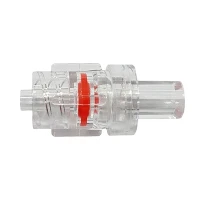


Hey there! As a supplier of umbilical cord clamps, I often get asked about all sorts of things regarding these essential medical devices. One question that pops up quite a bit is, "What is the temperature resistance of umbilical cord clamps?" Well, let's dive right into it.
First off, it's important to understand why temperature resistance matters for umbilical cord clamps. These clamps are used in a variety of medical settings, from hospitals to birthing centers. They need to be able to withstand different temperatures during storage, sterilization, and actual use.
During sterilization, umbilical cord clamps are typically exposed to high temperatures. Autoclaving is a common method of sterilization, which involves subjecting the clamps to steam at high pressure and temperatures. Usually, autoclaving temperatures can range from around 121°C (250°F) to 134°C (273°F). So, the clamps need to be able to handle these high - heat conditions without deforming, losing their functionality, or releasing any harmful substances.
If a clamp can't handle the high temperatures of sterilization, it could become ineffective. For example, the jaws of the clamp might not close properly, which is crucial for securely clamping the umbilical cord and preventing excessive bleeding. Also, any material degradation at high temperatures could potentially release toxins into the environment, which is a big no - no in a medical setting.
On the other hand, during storage, umbilical cord clamps might be exposed to a wide range of temperatures. In some regions, the storage areas might get quite cold in winter or hot in summer. A good umbilical cord clamp should be able to maintain its integrity in temperatures ranging from around - 20°C (- 4°F) to 50°C (122°F). This ensures that the clamps are ready for use whenever needed, regardless of the storage conditions.
Now, let's talk about the materials used in umbilical cord clamps and how they contribute to temperature resistance. Most umbilical cord clamps are made from medical - grade plastics or metals.
Medical - grade plastics are popular because they are lightweight, cost - effective, and can be easily molded into the right shape. Some common plastics used are polycarbonate and polypropylene. Polycarbonate has excellent heat resistance and can withstand temperatures up to around 130°C (266°F) without significant deformation. Polypropylene, on the other hand, has a lower heat - resistance limit, usually around 100°C (212°F), but it is still suitable for many sterilization methods. These plastics also have good low - temperature performance, remaining flexible even in cold environments.
Metals, such as stainless steel, are also used in umbilical cord clamps. Stainless steel is known for its high temperature resistance. It can easily withstand the high temperatures of autoclaving without any issues. It also has excellent durability and corrosion resistance, which is important for long - term use. At low temperatures, stainless steel remains strong and doesn't become brittle.


At our company, we take temperature resistance very seriously. We test our Umbilical Cord Clamps rigorously to ensure they meet the highest standards. We subject our clamps to a series of temperature tests, simulating both storage and sterilization conditions.
During the high - temperature tests, we use autoclaves to expose the clamps to the typical sterilization temperatures for a set period. After that, we check for any signs of deformation, such as changes in the shape of the jaws or the overall structure of the clamp. We also test the functionality of the clamps to make sure they still work as intended.
For the low - temperature tests, we place the clamps in a controlled cold environment. We check if the clamps become too brittle or if their performance is affected. We want to make sure that even in cold storage, our clamps are ready to be used without any problems.
In addition to the material properties and our testing procedures, we also pay attention to the design of the umbilical cord clamps. A well - designed clamp can better withstand temperature changes. For example, we use a design that allows for some flexibility in the structure, which helps to absorb any thermal stress that might occur during temperature variations.
Another aspect to consider is the packaging of the umbilical cord clamps. The packaging also plays a role in protecting the clamps from temperature - related damage. We use high - quality packaging materials that provide some insulation and protection. This helps to maintain a more stable internal temperature for the clamps, especially during transportation and storage.
So, if you're in the market for umbilical cord clamps, temperature resistance should definitely be one of the factors you consider. You want to make sure that the clamps you choose can handle the various temperature conditions they'll be exposed to in a medical setting.
At our company, we're committed to providing high - quality umbilical cord clamps that meet all your needs, including excellent temperature resistance. If you're interested in learning more about our products or have any questions, don't hesitate to reach out. We'd be more than happy to discuss your requirements and see how we can help you. Whether you're a hospital, a birthing center, or a medical distributor, we're here to provide you with the best umbilical cord clamps on the market.
Contact us today to start a conversation about your umbilical cord clamp needs. We look forward to working with you and helping you provide the best care for your patients.
References
- Textbooks on medical device materials and manufacturing
- Industry standards for umbilical cord clamps
- Research papers on the effects of temperature on medical plastics and metals