


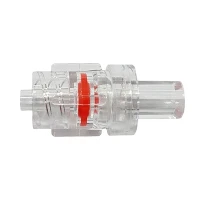


As a supplier of luer lock connectors, I understand the critical role these components play in various medical and fluid transfer applications. Optimizing the performance of luer lock connectors is not only essential for ensuring the safety and efficiency of medical procedures but also for meeting the high - standards of our customers. In this blog, I'll share some key strategies and considerations for optimizing the performance of luer lock connectors.


Material Selection
The choice of material is the foundation for a high - performing luer lock connector. Different materials have distinct properties that can significantly impact the connector's performance.
- Medical - grade Plastics: Materials such as polycarbonate, polypropylene, and acrylonitrile butadiene styrene (ABS) are commonly used in luer lock connectors. Polycarbonate offers excellent clarity, high strength, and good chemical resistance. It is suitable for applications where visibility of the fluid is important, such as in intravenous (IV) systems. Polypropylene, on the other hand, is lightweight, has good chemical resistance, and is relatively inexpensive. It is often used in disposable luer lock connectors. ABS combines the advantages of good mechanical properties and ease of processing, making it a popular choice for a wide range of applications.
- Compatibility with Fluids: When selecting a material, it is crucial to consider the compatibility with the fluids that will pass through the connector. Some fluids may react with certain plastics, causing degradation, leaching, or changes in the fluid's properties. For example, solvents or aggressive chemicals may dissolve or swell some plastics. Therefore, it is necessary to conduct compatibility tests to ensure that the material can withstand the specific fluids used in the application.
Design Optimization
The design of a luer lock connector has a direct impact on its performance, including sealing, ease of use, and connection stability.
- Sealing Mechanism: A reliable sealing mechanism is essential to prevent leakage. The standard luer taper design provides a tight fit between the male and female parts of the connector. However, additional features can be incorporated to enhance the seal. For example, some connectors use an O - ring or a gasket to provide a secondary seal. The O - ring should be made of a material that is compatible with the fluids and the connector body, and its size and shape should be carefully designed to ensure proper compression and sealing.
- Thread Design: The thread on a luer lock connector is responsible for providing a secure connection. The pitch, depth, and profile of the thread can affect the ease of engagement and disengagement, as well as the strength of the connection. A well - designed thread should allow for smooth and easy screwing, without excessive force or cross - threading. Additionally, the thread should be able to withstand the torque applied during use without stripping or deforming.
- Ergonomic Design: Ease of use is an important factor, especially in medical settings where quick and reliable connections are required. An ergonomic design can reduce the risk of user error and improve the overall efficiency of the procedure. Features such as a textured surface for better grip, a large - diameter handle for easy manipulation, and a clear visual indication of the connection status can all contribute to an ergonomic design.
Manufacturing Precision
High - quality manufacturing processes are necessary to ensure the consistent performance of luer lock connectors.
- Molding and Machining: Injection molding is the most common method for manufacturing luer lock connectors from plastics. The quality of the mold and the injection molding process parameters, such as temperature, pressure, and cooling time, can affect the dimensional accuracy and surface finish of the connector. Machining processes, such as CNC machining, may be used for producing connectors from metals or for creating custom - designed parts. Precise machining can ensure tight tolerances and a smooth surface, which are important for proper sealing and connection.
- Quality Control: A comprehensive quality control system is essential to detect and eliminate defective products. This includes in - process inspections during manufacturing, as well as final inspections before the products are shipped. Tests such as dimensional measurements, leak testing, and torque testing can be used to ensure that the connectors meet the required specifications.
Testing and Validation
Before releasing a luer lock connector to the market, it is necessary to conduct extensive testing and validation to ensure its performance and safety.
- Performance Testing: Performance testing includes tests such as leak testing, burst pressure testing, and flow rate testing. Leak testing is used to verify the sealing performance of the connector under different conditions, such as static and dynamic pressure. Burst pressure testing determines the maximum pressure that the connector can withstand before failure. Flow rate testing measures the rate at which fluid can pass through the connector, which is important for applications where a specific flow rate is required.
- Biocompatibility Testing: For medical applications, biocompatibility testing is mandatory. This includes tests to evaluate the potential toxicity, irritation, and sensitization of the connector material to the human body. Tests such as cytotoxicity testing, hemocompatibility testing, and implantation testing can be used to ensure that the connector meets the biocompatibility requirements.
Maintenance and Storage
Proper maintenance and storage can also affect the performance and lifespan of luer lock connectors.
- Cleaning and Sterilization: In medical applications, luer lock connectors need to be cleaned and sterilized before each use. The cleaning method should be compatible with the connector material and should effectively remove any contaminants. Sterilization methods, such as autoclaving, ethylene oxide sterilization, or gamma irradiation, should be selected based on the material's resistance to the sterilization process. Improper cleaning or sterilization can damage the connector and affect its performance.
- Storage Conditions: Luer lock connectors should be stored in a clean, dry, and temperature - controlled environment. Exposure to extreme temperatures, humidity, or sunlight can cause the material to degrade or deform. Additionally, connectors should be stored in a way that prevents damage to the threads or the sealing surfaces.
Conclusion
Optimizing the performance of luer lock connectors requires a comprehensive approach that includes material selection, design optimization, manufacturing precision, testing and validation, and proper maintenance and storage. As a supplier, we are committed to providing high - quality luer lock connectors that meet the diverse needs of our customers. Whether you are looking for a Female Luer Lock Connector, Rotating Luer Connectors, or a Male Luer Lock Connector, we have the expertise and resources to offer you the best solutions.
If you are interested in our luer lock connectors or have any questions about optimizing their performance, please feel free to contact us for further discussion and procurement negotiation. We look forward to working with you to meet your specific requirements.
References
- ASTM International. Standard specifications for luer taper fittings for syringes, needles, and other medical equipment.
- ISO 594 - 1:1986. Conical fittings with a 6% (Luer) taper for syringes, needles and certain other medical equipment - Part 1: General requirements.
- ISO 594 - 2:1998. Conical fittings with a 6% (Luer) taper for syringes, needles and certain other medical equipment - Part 2: Lock fittings.