


Hey there! As a stopcock supplier, I often get asked about the lifespan of a stopcock. It's a crucial question, especially for our customers in the medical and industrial sectors. So, let's dive right in and explore what affects the lifespan of a stopcock and how you can make the most of these nifty little devices.
First off, what exactly is a stopcock? For those who aren't in the know, a stopcock is a valve used to control the flow of fluid in a pipe or tube. In the medical field, they're super important for things like intravenous (IV) lines, allowing healthcare providers to manage the flow of medications, fluids, and blood. In industrial settings, stopcocks help regulate the flow of various liquids and gases.
Now, when it comes to the lifespan of a stopcock, there's no one - size - fits - all answer. A bunch of factors come into play, and I'll break them down for you.
Material Matters
The material a stopcock is made from has a huge impact on how long it'll last. Most medical stopcocks are made from high - quality plastics like polycarbonate or acrylic. These materials are chosen because they're biocompatible, meaning they're safe to use in contact with the human body. They're also relatively durable and resistant to chemicals.
Industrial stopcocks, on the other hand, might be made from metals like stainless steel or brass. Stainless steel stopcocks are great because they're corrosion - resistant, which is a must - have when dealing with harsh chemicals or outdoor environments. Brass stopcocks are also popular due to their good conductivity and relatively low cost.
Generally speaking, metal stopcocks tend to have a longer lifespan compared to plastic ones. Metal is more robust and can withstand more wear and tear. However, plastic stopcocks are often designed for single - use or short - term applications, which is perfect for the medical field where sterility is a top priority.
Usage Frequency
How often a stopcock is used plays a big role in its lifespan. In a busy hospital ward, a stopcock on an IV line might be adjusted multiple times a day. This constant opening and closing can wear down the internal components of the stopcock over time. The valve mechanism, which is responsible for controlling the flow, can start to lose its seal, leading to leaks.

In an industrial setting, if a stopcock is part of a continuous - flow system, it'll also experience a lot of stress. The constant pressure and movement can cause the materials to fatigue. On the flip side, if a stopcock is used sparingly, say in a backup system that's only activated in an emergency, it can last for a very long time.
Environmental Conditions
The environment where a stopcock is used can either extend or shorten its lifespan. In the medical field, stopcocks are usually used in controlled environments like hospitals, where the temperature and humidity are regulated. This is great for preserving the integrity of the stopcock.
In industrial settings, things can get a lot harsher. Exposure to extreme temperatures, high humidity, or corrosive chemicals can take a toll on a stopcock. For example, if a stopcock is used in a chemical plant where it's constantly exposed to acids or alkalis, the materials can corrode quickly. Outdoor applications are also challenging, as stopcocks can be exposed to rain, sunlight, and temperature fluctuations.
Maintenance and Care
Proper maintenance can significantly extend the lifespan of a stopcock. In the medical field, single - use stopcocks are disposed of after each use to prevent the spread of infections. But for reusable stopcocks, they need to be properly cleaned and sterilized according to strict protocols. This helps to remove any debris or contaminants that could damage the stopcock.
In industrial settings, regular inspections are crucial. Checking for leaks, cracks, or signs of wear can help catch problems early. Lubricating the moving parts of a stopcock can also reduce friction and prevent premature failure.
Average Lifespan Estimates
Based on my experience as a stopcock supplier, here are some rough estimates of the lifespan of different types of stopcocks:
- Single - use medical stopcocks: These are designed for one - time use and are typically discarded after a patient's treatment is complete. So, their lifespan is usually just a few days to a couple of weeks at most.
- Reusable medical stopcocks: With proper cleaning and sterilization, these can last anywhere from several months to a couple of years. However, they should be regularly inspected for signs of wear and replaced when necessary.
- Industrial plastic stopcocks: In a relatively mild environment with moderate use, they can last from 1 to 3 years. But in harsher conditions, their lifespan might be reduced to just a few months.
- Industrial metal stopcocks: These are the long - haulers. In normal industrial conditions, they can last 5 to 10 years or even longer. With proper maintenance, some metal stopcocks have been known to function for decades.
The 3 Way Stopcock
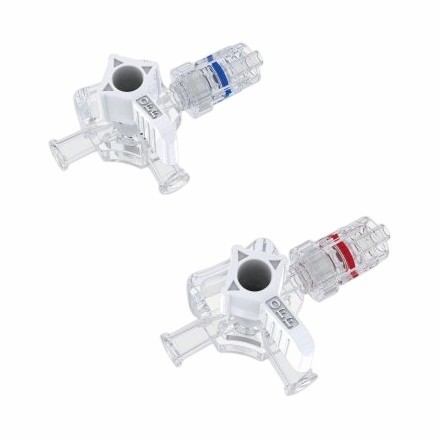
If you're in the market for a stopcock, you might want to check out the 3 Way Stopcock. It's a versatile device that allows for the control of fluid flow in three different directions. This makes it ideal for complex medical procedures where multiple fluids need to be managed. In industrial applications, it can also be used to divert or combine different flows.
Conclusion
So, there you have it! The lifespan of a stopcock depends on a variety of factors, including the material, usage frequency, environmental conditions, and maintenance. Whether you're in the medical or industrial field, understanding these factors can help you choose the right stopcock for your needs and ensure that it lasts as long as possible.
If you're interested in purchasing stopcocks for your business, I'd love to have a chat with you. We offer a wide range of high - quality stopcocks to suit different applications. Just reach out, and we can discuss your requirements in detail.
References
- Medical Device Technology Handbook
- Industrial Valve and Fitting Manuals
- Journals on Medical and Industrial Fluid Management