


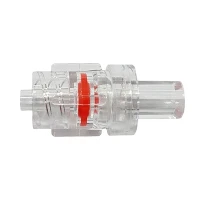


Hey there! As a supplier of luer lock connectors, I know how crucial it is to ensure their hygiene. These little connectors play a big role in medical and other fluid - handling applications, and any compromise in hygiene can lead to some serious issues. So, let's dive into how we can make sure these luer lock connectors stay clean and safe.
Understanding Luer Lock Connectors
First off, for those who aren't super familiar, luer lock connectors come in different types. You've got the Male Luer Lock Connector and the Female Luer Lock Connector. These are designed to provide a secure and leak - proof connection when they're joined together. There are also Rotating Luer Connectors, which offer more flexibility in terms of positioning during use.
The Importance of Hygiene
Why is hygiene so important for luer lock connectors? Well, in medical settings, they're often used to transfer fluids like medications, blood, or saline solutions. If the connectors aren't clean, there's a risk of introducing harmful bacteria, viruses, or other contaminants into the patient's body. This can lead to infections, which can range from mild to life - threatening.
In non - medical applications, like in laboratories or industrial settings, contamination can also mess up experiments or production processes. So, keeping these connectors clean is a must.
Pre - use Hygiene Checks
Before using a luer lock connector, it's essential to do a quick visual inspection. Look for any signs of damage, like cracks, chips, or deformities. A damaged connector might not seal properly, which can lead to leaks and increase the risk of contamination.
Also, check for any visible dirt, debris, or residue on the connector. If you see anything, it's a red flag. You wouldn't want to use a dirty connector to transfer fluids, right?
Cleaning Procedures
Manual Cleaning
One of the most common ways to clean luer lock connectors is manually. Start by disassembling the connector if possible. This allows you to clean all the nooks and crannies more effectively. Use a mild detergent and warm water. You can soak the connector in the soapy water for a few minutes to loosen up any dirt or residue.
Then, use a soft - bristled brush, like a toothbrush, to gently scrub the inside and outside of the connector. Pay special attention to the threads and the sealing surfaces. After scrubbing, rinse the connector thoroughly with clean water to remove all the soap.
Chemical Cleaning
In some cases, you might need to use chemical cleaners. But be careful! Not all chemicals are suitable for luer lock connectors. You need to choose a cleaner that's compatible with the material of the connector. For example, some plastics can be damaged by harsh chemicals.
Before using a chemical cleaner, read the manufacturer's instructions carefully. Follow the recommended dilution ratios and contact times. After cleaning with the chemical, make sure to rinse the connector thoroughly to remove any traces of the cleaner.


Sterilization
In medical settings, sterilization is often required. There are a few different methods of sterilization for luer lock connectors.
Autoclaving
Autoclaving is a popular method. It uses high - pressure steam to kill bacteria, viruses, and other microorganisms. However, not all luer lock connectors are suitable for autoclaving. Some materials can be damaged by the high temperature and pressure. So, check the manufacturer's guidelines before autoclaving.
Chemical Sterilization
Chemical sterilants can also be used. These are chemicals that can kill microorganisms on contact. But again, you need to make sure the chemical is compatible with the connector material. After chemical sterilization, the connector needs to be rinsed thoroughly to remove any residual chemicals.
Storage Hygiene
Once the connectors are clean and dry, proper storage is key. Store them in a clean, dry, and dust - free environment. You can use sealed containers or bags to protect them from contamination.
Avoid storing connectors in areas where they might be exposed to chemicals, fumes, or extreme temperatures. These conditions can damage the connectors and reduce their effectiveness.
Handling Hygiene
When handling luer lock connectors, always wash your hands thoroughly before touching them. You don't want to transfer any dirt or germs from your hands to the connectors.
Use clean gloves if possible, especially in medical or laboratory settings. Gloves can provide an extra layer of protection against contamination.
Post - use Hygiene
After using a luer lock connector, don't just leave it lying around. Immediately disassemble it if it's a multi - part connector and start the cleaning process. The longer you wait, the harder it will be to remove any dried - on residue.
Quality Control in Production
As a supplier, we take quality control very seriously. We have strict manufacturing processes in place to ensure that our luer lock connectors are clean and hygienic right from the start. We use high - quality materials that are resistant to damage and contamination.
Our production facilities are kept clean and sterile, and our workers follow strict hygiene protocols. We also conduct regular quality checks to make sure that every connector meets our high standards.
Conclusion
Ensuring the hygiene of luer lock connectors is a multi - step process that involves pre - use checks, proper cleaning, sterilization if needed, and good storage and handling practices. By following these steps, we can minimize the risk of contamination and ensure the safety and effectiveness of these connectors.
If you're in the market for high - quality, hygienic luer lock connectors, we're here to help. We've got a wide range of Male Luer Lock Connectors, Female Luer Lock Connectors, and Rotating Luer Connectors to meet your needs. Reach out to us for more information and to discuss your procurement requirements. Let's work together to keep your fluid - handling processes clean and safe!
References
- Association for the Advancement of Medical Instrumentation (AAMI). (20XX). Standards for medical device cleaning and sterilization.
- Centers for Disease Control and Prevention (CDC). (20XX). Guidelines for infection control in healthcare settings.