


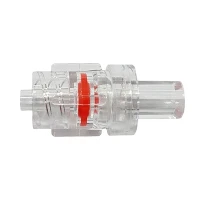


Hey there! I'm a supplier of Infusion Spike, and today I'm gonna share with you how to test the performance of an Infusion Spike.
First off, let's understand what an Infusion Spike is. An Infusion Spike is a crucial part in the medical field, especially when it comes to intravenous infusion. It's used to pierce the rubber stopper of a medicine container, allowing the liquid to flow into the infusion set.
Physical Inspection
The first step in testing an Infusion Spike is a physical inspection. You gotta take a good look at it. Check for any visible defects like cracks, burrs, or deformities. A cracked spike can lead to leakage during the infusion process, which is a big no - no. Burrs can damage the rubber stopper of the medicine container, and deformities might affect the proper fit and function of the spike.
Hold the spike up to the light and look for any signs of internal damage. Sometimes, there could be small fractures inside that aren't visible from the outside. Also, check the sharpness of the tip. A dull tip will make it difficult to pierce the stopper, and it might even cause the stopper to tear, releasing rubber particles into the medicine.
Flow Rate Testing
One of the most important performance aspects of an Infusion Spike is its flow rate. You need to make sure that the spike allows the medicine to flow at the right speed. To test this, you can set up a simple simulation.
Get a container filled with a liquid that has similar viscosity to the medicine that will be used in real - world applications. Connect the Infusion Spike to an infusion set and a drip chamber. Then, let the liquid flow through the system under a controlled pressure.
Measure the time it takes for a certain volume of liquid to pass through the spike. Compare this time with the specifications provided by the manufacturer. If the flow rate is too slow, it might delay the administration of the medicine. On the other hand, if it's too fast, it could cause an overdose or other complications.
Compatibility Testing
An Infusion Spike needs to be compatible with different types of containers and Connectors. You should test it with various rubber stoppers, like those on glass vials and plastic bottles.
Try piercing different types of stoppers with the spike. Make sure it can penetrate smoothly without causing excessive force or damage to the stopper. Also, check the fit between the spike and the connectors. A loose fit can lead to leakage, while a too - tight fit might make it difficult to assemble or disassemble the infusion set.


Seal Integrity Testing
The seal integrity of an Infusion Spike is vital to prevent leakage. You can test this by submerging the spike, after it's been connected to the container and the infusion set, in a liquid bath. Apply a slight pressure to the system and look for any bubbles. If you see bubbles, it means there's a leak in the seal.
Another way is to use a pressure - testing device. Increase the pressure inside the system gradually and monitor for any pressure drops. A significant pressure drop indicates a problem with the seal.
Resistance to Contamination
Medical devices need to be resistant to contamination. You can test the Infusion Spike's ability to prevent the entry of contaminants by exposing it to a controlled environment with known contaminants.
For example, you can place the spike in a chamber with a low - level aerosol of bacteria or dust particles. After a certain period, analyze the spike for any signs of contamination. This can be done through microbiological testing or visual inspection under a microscope.
Durability Testing
An Infusion Spike should be durable enough to withstand normal handling and use. You can perform durability tests by repeatedly inserting and removing the spike from stoppers. Do this a certain number of times, as specified by industry standards or your own quality control requirements.
Check for any signs of wear and tear, such as blunting of the tip or loosening of the connections. A durable spike will maintain its performance even after multiple uses.
Chemical Compatibility
The Infusion Spike should be chemically compatible with the medicines it will come into contact with. You can test this by soaking the spike in samples of the medicines for a certain period.
Monitor for any chemical reactions, such as discoloration, swelling, or the release of substances from the spike into the medicine. Chemical incompatibility can affect the quality and safety of the medicine.
Functionality in Different Conditions
Finally, you should test the Infusion Spike's performance in different environmental conditions. This includes testing it at different temperatures and humidity levels.
For example, if the spike is going to be used in a cold environment, test it at low temperatures to make sure it still functions properly. Similarly, in a humid environment, check for any signs of corrosion or degradation.
Conclusion
Testing the performance of an Infusion Spike is a comprehensive process that involves multiple aspects. From physical inspection to chemical compatibility, each test is crucial to ensure the safety and effectiveness of the device.
As a supplier, I'm committed to providing high - quality Infusion Spikes that meet all the necessary standards. If you're in the market for reliable Infusion Spikes and related Connectors or Combi Stoppers, I'd love to have a chat with you. Whether you're a hospital, a medical distributor, or involved in any other aspect of the medical field, we can work together to find the right solutions for your needs. Reach out to start a conversation about your procurement requirements.
References
- Medical Device Testing Standards Handbook
- Industry Best Practices for Infusion Component Testing