


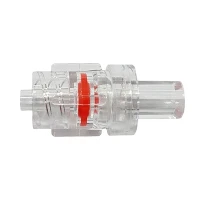


In the medical field, the reliability of Luer lock connectors is of utmost importance. These connectors are widely used in various medical devices, such as syringes, catheters, and infusion sets, to ensure a secure and leak - proof connection. However, the loosening of Luer lock connectors during use can pose significant risks, including fluid leakage, contamination, and ineffective drug delivery. As a trusted Luer lock connector supplier, we understand the criticality of this issue and are committed to providing solutions to prevent such loosening.


Understanding the Luer Lock Connector
Before delving into prevention methods, it is essential to understand the basic structure of Luer lock connectors. There are two main types: Male Luer Lock Connector and Female Luer Lock Connector. The male connector has a tapered tip with external threads, while the female connector has a corresponding tapered receptacle with internal threads. When the two are joined, the tapered surfaces create a tight seal, and the threads lock them in place.
Causes of Luer Lock Connector Loosening
- Incorrect Assembly
One of the primary causes of loosening is improper assembly. If the male and female connectors are not fully engaged or if the threads are cross - threaded during connection, the lock may not be secure. Cross - threading occurs when the threads of the male and female connectors do not align correctly, which can lead to a weak connection that is prone to loosening. - Vibration and Movement
In medical settings, devices with Luer lock connectors are often subject to vibration and movement. For example, a patient's movement during an infusion or the vibration of medical equipment can gradually cause the connector to loosen over time. This is especially true in long - term applications where the connectors are exposed to continuous mechanical stress. - Material Fatigue
The materials used in Luer lock connectors, typically plastics or metals, can experience fatigue over time. Repeated tightening and loosening, as well as exposure to chemicals and environmental factors, can weaken the material, reducing its ability to maintain a tight lock.
Prevention Strategies
- Proper Assembly Training
We, as a Luer lock connector supplier, emphasize the importance of proper assembly training for medical staff. Training programs should cover the correct way to align the male and female connectors, ensuring that the threads are properly engaged. Staff should be taught to listen for a clicking sound or feel a slight resistance when the connector is fully tightened, indicating a secure lock. Additionally, they should be trained to avoid cross - threading by carefully aligning the connectors before turning. - Use of Locking Aids
There are various locking aids available in the market that can enhance the security of Luer lock connectors. For example, some connectors come with additional locking mechanisms, such as snap - on locks or twist - and - lock features. These aids provide an extra layer of security, reducing the risk of loosening due to vibration or movement. Rotating Luer Connectors are also a great option as they allow for easy adjustment without compromising the lock, which can be particularly useful in applications where flexibility is required. - Material Selection and Quality Control
As a supplier, we pay close attention to material selection. High - quality materials with good mechanical properties, such as high - strength plastics or corrosion - resistant metals, are chosen to ensure the durability of the connectors. We also implement strict quality control measures during the manufacturing process. This includes testing the connectors for proper thread engagement, seal integrity, and resistance to loosening under simulated use conditions. - Regular Inspection and Maintenance
Medical facilities should establish a regular inspection and maintenance schedule for devices with Luer lock connectors. Inspections should include checking for signs of wear, damage, or loosening. If any issues are detected, the connectors should be replaced immediately. Maintenance also involves cleaning the connectors to remove any debris or contaminants that could affect the locking mechanism.
Case Studies
- Hospital A
In Hospital A, they were experiencing a high rate of Luer lock connector loosening in their infusion sets. After implementing our proper assembly training program and using locking aids on the connectors, the rate of loosening decreased significantly. The medical staff reported fewer incidents of fluid leakage and improved patient safety. - Clinic B
Clinic B was using Luer lock connectors in their syringe - based drug delivery systems. They switched to our high - quality connectors with better material properties and implemented a regular inspection schedule. As a result, they noticed a reduction in connector failures and an increase in the reliability of their drug delivery systems.
Importance of Supplier Support
As a Luer lock connector supplier, we offer comprehensive support to our customers. We provide technical assistance in selecting the right connectors for specific applications, taking into account factors such as the type of fluid being delivered, the duration of use, and the environmental conditions. Our team of experts can also offer advice on prevention strategies and help troubleshoot any issues related to connector loosening.
Conclusion
Preventing the loosening of Luer lock connectors is crucial for ensuring the safety and effectiveness of medical devices. By understanding the causes of loosening and implementing appropriate prevention strategies, such as proper assembly training, the use of locking aids, and strict quality control, we can significantly reduce the risk of connector failure. As a trusted Luer lock connector supplier, we are dedicated to providing high - quality products and support to our customers. If you are interested in learning more about our Luer lock connectors or have any questions regarding prevention of loosening, we invite you to contact us for a procurement discussion. We are committed to working with you to meet your medical device needs and ensure the reliability of your equipment.
References
- ISO 594 - 1:1986. Conical fittings with a 6% (Luer) taper for syringes, needles and certain other medical equipment - Part 1: General requirements.
- ASTM F543 - 16. Standard Specification for Materials for Manufacturing Luer Fittings.
- AAMI TIR34:2007. Recommended practices for the design, testing, and labeling of Luer connectors for use in healthcare applications.