


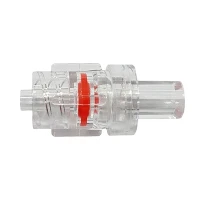


Hey there! As a supplier of luer lock connectors, I often get asked this question: Can luer lock connectors be sterilized? Well, let's dive right into it and find out.
First off, what are luer lock connectors? They're those little but crucial parts used in the medical field, mainly for connecting different medical devices like syringes, catheters, and IV tubes. They come in different types, such as Female Luer Lock Connector, Rotating Luer Connectors, and Male Luer Lock Connector. These connectors play a vital role in ensuring a secure and leak - free connection, which is super important in medical procedures.
Now, to answer the big question: Yes, luer lock connectors can be sterilized, but it depends on a few factors.
Types of Sterilization Methods
There are several common sterilization methods, and each has its own pros and cons when it comes to luer lock connectors.
Steam Sterilization
Steam sterilization, also known as autoclaving, is one of the most widely used methods. It uses high - pressure steam at around 121 - 134°C (250 - 273°F) for a certain period of time. This method is great because it's effective in killing a wide range of microorganisms, including bacteria, viruses, and fungi.
However, when it comes to luer lock connectors, not all materials can withstand steam sterilization. Some plastics may deform or lose their integrity under the high - temperature and high - pressure conditions. For example, if a luer lock connector is made of a low - heat - resistant plastic, the steam can cause it to warp, which might affect its fit and functionality. But if the connector is made of materials like polycarbonate or some high - grade medical plastics, it can usually handle steam sterilization just fine.
Chemical Sterilization
Chemical sterilization involves using chemicals such as ethylene oxide (EO), hydrogen peroxide, or glutaraldehyde.


Ethylene oxide is a powerful sterilizing agent that can penetrate deep into the materials. It's great for sterilizing heat - sensitive luer lock connectors because it works at relatively low temperatures. But here's the catch: EO is toxic and flammable, so special safety precautions need to be taken during the sterilization process. Also, after sterilization, the connectors need to be aerated for a certain period to remove any residual EO, which can be time - consuming.
Hydrogen peroxide is another option. It can be used in vapor form or as a liquid. Vaporized hydrogen peroxide is a popular choice these days because it's relatively fast - acting and leaves fewer residues compared to some other chemicals. It's also less toxic than ethylene oxide.
Glutaraldehyde is a liquid chemical that can be used to soak the luer lock connectors. It's effective in killing microorganisms, but it has a strong odor and can be irritating to the skin and eyes. So, proper handling is essential.
Radiation Sterilization
Radiation sterilization uses gamma rays or electron beams. Gamma rays are highly penetrating and can sterilize large batches of luer lock connectors at once. This method is fast and doesn't require any post - sterilization aeration. However, it can be expensive, and there are concerns about the long - term effects of radiation on the material properties of the connectors.
Electron beam sterilization is similar to gamma ray sterilization but has a shorter penetration depth. It's more suitable for thinner or smaller luer lock connectors.
Material Compatibility
The material of the luer lock connector is a key factor in determining whether it can be sterilized and which method to use.
Plastics
As mentioned earlier, different plastics have different heat and chemical resistances. Polycarbonate is a popular choice for luer lock connectors because it has good mechanical properties and can withstand steam sterilization. Polypropylene is also commonly used. It's relatively resistant to chemicals and can be sterilized using various methods, including steam, chemical, and radiation.
On the other hand, some soft plastics like PVC may not be suitable for high - temperature steam sterilization as they can release plasticizers under heat, which can contaminate the medical devices and pose a risk to patients.
Metals
Some luer lock connectors may have metal components, such as stainless steel. Metals are generally more resistant to high temperatures and chemicals. They can easily withstand steam sterilization, chemical sterilization, and radiation sterilization. However, there may be issues with corrosion if the metal is exposed to certain chemicals for a long time.
Quality Control and Testing
Before sterilizing luer lock connectors, it's important to have a proper quality control system in place. This includes testing the connectors for their physical properties, such as dimensions, fit, and leak - tightness. After sterilization, the connectors should be tested again to ensure that the sterilization process hasn't affected their performance.
For example, a leak test can be performed to make sure that the connectors still provide a secure and leak - free connection. The dimensions of the connectors should also be checked to ensure that they haven't changed due to the sterilization process.
Factors Affecting Sterilization Success
Apart from the sterilization method and material compatibility, there are other factors that can affect the success of sterilization.
Packaging
The packaging of the luer lock connectors is crucial. It should be designed to protect the connectors during sterilization and storage. The packaging material should be permeable to the sterilizing agent (in the case of steam, chemicals, or radiation) but should also prevent re - contamination after sterilization. For example, if using steam sterilization, the packaging should allow steam to enter and exit freely.
Pre - cleaning
Proper pre - cleaning of the luer lock connectors is essential. Any dirt, debris, or organic matter on the connectors can interfere with the sterilization process. For example, if there's a layer of blood or body fluids on the connector, the microorganisms within that layer may not be effectively killed by the sterilizing agent. So, before sterilization, the connectors should be thoroughly cleaned using appropriate cleaning agents.
Why Sterilization is Important for Luer Lock Connectors
In the medical field, sterility is of utmost importance. Luer lock connectors are used to transfer fluids, medications, or gases between different medical devices. If these connectors are not properly sterilized, they can carry harmful microorganisms, which can lead to infections in patients.
For example, in an IV therapy, a contaminated luer lock connector can introduce bacteria into the patient's bloodstream, causing serious and potentially life - threatening infections. So, ensuring the sterility of luer lock connectors is a critical step in patient safety.
Conclusion
So, to sum it up, luer lock connectors can be sterilized, but it's important to choose the right sterilization method based on the material of the connector, and to follow proper quality control and pre - cleaning procedures.
If you're in the market for high - quality luer lock connectors that can be easily sterilized, we're here to help. We offer a wide range of Female Luer Lock Connector, Rotating Luer Connectors, and Male Luer Lock Connector. Our connectors are made from high - grade materials that are compatible with various sterilization methods.
If you're interested in learning more or making a purchase, feel free to reach out to us. We're always happy to have a chat about your specific needs and how we can meet them.
References
- Block, S. S. (2001). Disinfection, Sterilization, and Preservation. Lippincott Williams & Wilkins.
- Rutala, W. A., & Weber, D. J. (2004). Guideline for Disinfection and Sterilization in Healthcare Facilities, 2008. U.S. Department of Health and Human Services, Centers for Disease Control and Prevention.