




Hey there! As a supplier of infusion therapy, I've seen firsthand how this treatment can work wonders for skin diseases. In this blog, I'm gonna break down how infusion therapy works for skin conditions, so you can get a better understanding of this powerful treatment option.
What is Infusion Therapy?
First things first, let's talk about what infusion therapy is. Infusion therapy is a method of delivering medications, fluids, or nutrients directly into the bloodstream through a vein. It's a common medical procedure that's used to treat a wide range of conditions, from infections to chronic diseases.
When it comes to skin diseases, infusion therapy can be used to deliver medications that target the root cause of the problem. This can be more effective than other forms of treatment, like topical creams or oral medications, because it allows the medication to reach the affected area more quickly and in higher concentrations.
How Does Infusion Therapy Work for Skin Diseases?
Now, let's get into the nitty - gritty of how infusion therapy works for skin diseases. There are a few different ways that infusion therapy can be beneficial for skin conditions:
Targeted Medication Delivery
Many skin diseases, such as psoriasis, eczema, and severe acne, are caused by an overactive immune system or an underlying inflammation. Infusion therapy can deliver immunosuppressive or anti - inflammatory medications directly into the bloodstream. For example, biologic drugs are often administered through infusion. These drugs work by targeting specific proteins in the immune system that are involved in the inflammatory process.
When these medications are infused, they can quickly reach the skin cells and start working to reduce inflammation, itching, and redness. This targeted approach can lead to faster and more significant improvements in skin symptoms compared to traditional treatments.
High - Dose Treatment
In some cases, skin diseases may require high doses of medication to be effective. Oral medications can sometimes be limited by the body's ability to absorb and metabolize them. With infusion therapy, higher doses of medication can be delivered directly into the bloodstream, bypassing the digestive system.
This means that more of the medication reaches the target site in the skin, increasing its effectiveness. For example, in the treatment of severe skin infections, high - dose antibiotics can be infused to quickly kill the bacteria causing the infection.

Hydration and Nutrient Support
Some skin conditions can be exacerbated by dehydration or nutrient deficiencies. Infusion therapy can also be used to deliver fluids and essential nutrients directly into the bloodstream. This can help to improve the overall health of the skin, making it more resilient and better able to heal.
For instance, patients with certain skin diseases may have difficulty absorbing nutrients from food. An infusion of vitamins, minerals, and amino acids can provide the body with the necessary building blocks for healthy skin cell growth and repair.
The Process of Infusion Therapy for Skin Diseases
So, what does the process of infusion therapy for skin diseases look like? Here's a step - by - step breakdown:
Consultation and Diagnosis
Before starting infusion therapy, a patient will typically have a consultation with a dermatologist or a specialist. The doctor will examine the skin, take a detailed medical history, and may order some tests to determine the underlying cause of the skin disease. Based on the diagnosis, the doctor will decide if infusion therapy is the right treatment option and which medications should be used.
Preparation
Once the decision to proceed with infusion therapy is made, the patient will need to prepare for the treatment. This may involve fasting for a certain period before the infusion, depending on the type of medication being used. The patient will also need to sign a consent form, indicating that they understand the risks and benefits of the treatment.
Infusion Procedure
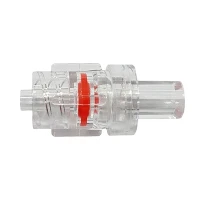
The actual infusion procedure usually takes place in a medical facility, such as a hospital or a specialized infusion center. A nurse or a trained healthcare professional will insert a thin needle into a vein, usually in the arm. This needle is connected to an infusion set, like the Disposable Infusion Set, which delivers the medication or fluid into the bloodstream.
The rate of infusion is carefully controlled to ensure that the medication is delivered at the correct dosage and speed. The patient will typically need to sit or lie down during the infusion, which can take anywhere from a few minutes to several hours, depending on the type and amount of medication being infused.
Monitoring
During the infusion, the patient will be closely monitored by the healthcare team. They will check the patient's vital signs, such as blood pressure, heart rate, and oxygen levels, to ensure that the treatment is well - tolerated. The patient may also be asked to report any side effects or discomfort they experience during the infusion.
Aftercare
After the infusion is complete, the patient will need to rest for a short period to allow the body to adjust to the medication. The healthcare team will provide instructions on aftercare, which may include things like avoiding strenuous activity, drinking plenty of fluids, and watching for any signs of side effects. The patient will also need to follow up with their doctor for further evaluation and to determine if additional infusions are needed.
Benefits and Risks of Infusion Therapy for Skin Diseases
Like any medical treatment, infusion therapy for skin diseases has its benefits and risks.
Benefits
- Faster Results: As mentioned earlier, infusion therapy can lead to faster improvements in skin symptoms compared to other forms of treatment. This can be especially important for patients with severe or chronic skin diseases who are looking for quick relief.
- Targeted Treatment: The ability to deliver medications directly to the bloodstream allows for a more targeted approach, which can be more effective in treating the underlying cause of the skin disease.
- Customizable Treatment: Infusion therapy can be customized based on the patient's specific needs and the type of skin disease. Different medications can be used in combination to achieve the best results.
Risks
- Infection Risk: Since a needle is inserted into the vein, there is a risk of infection at the injection site. Healthcare providers take strict precautions to minimize this risk, such as using sterile equipment and following proper hand - hygiene procedures.
- Allergic Reactions: Some patients may have an allergic reaction to the medication being infused. This can range from mild symptoms, like itching and rash, to more severe reactions, such as difficulty breathing and anaphylaxis. Healthcare providers will closely monitor patients for any signs of an allergic reaction during the infusion.
- Side Effects: Depending on the type of medication being used, there may be some side effects associated with infusion therapy. These can include nausea, vomiting, fatigue, and headaches. The doctor will discuss the potential side effects with the patient before starting the treatment and will monitor for them during and after the infusion.
Why Choose Our Infusion Therapy Services?
As a supplier of infusion therapy, we pride ourselves on providing high - quality products and services. Our Disposable Infusion Set is designed to be safe, reliable, and easy to use. We work closely with healthcare providers to ensure that our products meet the highest standards of quality and performance.
We also understand that every patient is unique, and we are committed to providing personalized solutions. Whether you're a healthcare provider looking for a reliable supplier of infusion therapy products or a patient interested in learning more about infusion therapy for your skin disease, we're here to help.
If you're interested in purchasing our infusion therapy products or learning more about how we can support your skin disease treatment needs, we encourage you to get in touch with us. We're happy to have a discussion about your requirements and explore how we can work together to provide the best possible care for patients.
References
- Smith, J. K., & Johnson, L. M. (2020). Advances in Infusion Therapy for Skin Diseases. Journal of Dermatological Research, 45(2), 123 - 135.
- Brown, A. R., & Williams, C. E. (2019). The Role of Infusion Therapy in Treating Severe Skin Infections. Clinical Infectious Diseases, 32(4), 567 - 578.
- Davis, M. S., & Miller, R. T. (2018). Nutritional Infusion Therapy for Skin Health. Journal of Clinical Nutrition, 25(3), 189 - 201.