


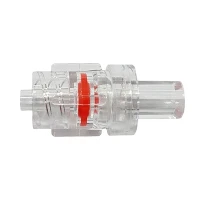


Do rotating luer connectors require special installation? That's a question I get asked a lot as a supplier of Rotating Luer Connectors. In this blog post, I'm gonna break it down for you and give you the lowdown on whether these nifty connectors need any special treatment during installation.
First off, let's talk about what rotating luer connectors are. They're a type of medical connector that allows for easy rotation while maintaining a secure connection. This is super useful in medical settings where you might need to adjust the position of a tube or device without disconnecting it. You'll often find them in things like IV lines, syringes, and other fluid transfer systems.
Now, to answer the big question: do they require special installation? Well, the short answer is no, not really. The basic installation process for rotating luer connectors is pretty much the same as for regular luer connectors. You've got your Female Luer Lock Connector and your Male Luer Lock Connector, and you just need to screw them together.
Here's a step - by - step guide on how to install them:
- Prepare the connectors: Make sure both the male and female connectors are clean and free of any debris. You don't want any dirt or particles getting into your fluid transfer system.
- Align the connectors: Line up the male luer lock connector with the female luer lock connector. The threads on the male connector should match up with the threads on the female connector.
- Start screwing: Gently start turning the male connector clockwise into the female connector. You'll feel a bit of resistance as the threads start to engage. Keep turning until it's snug, but don't over - tighten it. Over - tightening can damage the connectors and cause leaks.
That's it! It's a pretty straightforward process. But there are a few things to keep in mind that might seem like "special" installation steps, but they're really just good practices.
1. Torque Requirements
Even though rotating luer connectors don't need any special tools for installation, it's important to apply the right amount of torque. Too little torque, and the connection might not be secure, which could lead to leaks. Too much torque, and you could damage the threads or the connector itself. Most manufacturers will provide recommended torque values, so it's a good idea to check those out.
2. Compatibility
Make sure that the rotating luer connectors you're using are compatible with the other components in your system. Different manufacturers might have slightly different specifications, so it's crucial to double - check. Using incompatible connectors can lead to poor connections and potential safety hazards.
3. Lubrication
In some cases, you might need to use a lubricant on the connectors. This can make the installation process smoother and help prevent damage to the threads. However, you need to use the right type of lubricant. Some lubricants can react with the fluids in your system or the materials of the connectors, so always follow the manufacturer's recommendations.
4. Environmental Considerations
The environment where you're installing the connectors can also play a role. For example, if you're working in a cleanroom environment, you need to take extra precautions to ensure that the installation process doesn't introduce any contaminants. You might need to wear gloves and use sterile tools.
Advantages of Rotating Luer Connectors
Now that we've covered the installation, let's talk about why rotating luer connectors are so great. One of the biggest advantages is the ability to rotate the connected components. This can be a real game - changer in medical procedures where you need to adjust the position of a tube or device.
For example, in an operating room, a surgeon might need to reposition an IV line without disconnecting it. With a rotating luer connector, they can simply rotate the connector to get the desired position. This not only saves time but also reduces the risk of contamination that could occur if the connection was repeatedly disconnected and reconnected.
Another advantage is the improved ergonomics. The rotating feature makes it easier for medical staff to handle the connectors, especially in tight spaces. It reduces the strain on their hands and wrists, which is important for long - term use.
Common Myths about Rotating Luer Connectors Installation
There are a few myths out there about installing rotating luer connectors. One common myth is that they're more difficult to install than regular luer connectors. As we've seen, the installation process is pretty much the same, with just a few extra considerations.
Another myth is that they require special training to install. While it's always a good idea to be familiar with the proper installation procedures, you don't need to go through extensive training to install rotating luer connectors. As long as you follow the basic steps and keep the good practices in mind, you should be fine.


Conclusion
So, do rotating luer connectors require special installation? Not really. They follow the same basic installation principles as regular luer connectors, with a few additional considerations like torque, compatibility, lubrication, and environmental factors.
If you're in the market for high - quality rotating luer connectors, we're here to help. We offer a wide range of Rotating Luer Connectors that are designed to meet the highest standards of quality and performance. Whether you're a medical device manufacturer, a hospital, or a research facility, we can provide you with the connectors you need.
If you have any questions about our products or need help with installation, feel free to reach out. We're always happy to assist you with your procurement needs and ensure that you get the best possible solution for your application.
References
- Medical Connector Standards: ASTM F543 - 16 Standard Specification for Luer Fittings for Syringes, Needles, and Other Medical Devices
- Manufacturer's Installation Guides for Rotating Luer Connectors