




Hey there! As a supplier of IV extension tubes, I often get asked a pretty important question: Do IV extension tubes need to be changed if there is a change in the IV fluid? Well, let's dive right into this topic and break it down.
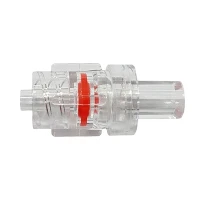
First off, let's understand what IV extension tubes are. An IV Extension Tube is a crucial part of the intravenous (IV) system. It's basically a small tube that connects the IV catheter in the patient's vein to the main IV tubing. This extra length gives more flexibility in positioning the IV bag and makes it easier for healthcare providers to manage the infusion process.
Now, when it comes to changing the IV fluid, there are a few factors to consider before deciding whether to change the extension tube as well.
Compatibility of IV Fluids
One of the main things to think about is the compatibility of the different IV fluids. Some fluids may react with each other if they come into contact within the extension tube. For example, if you're switching from a medication that's acidic to one that's basic, there could be a chemical reaction that forms precipitates. These precipitates can clog the tube or even cause harm to the patient if they enter the bloodstream.
In cases where the new IV fluid is known to be incompatible with the previous one, it's usually a good idea to change the extension tube. This helps prevent any unwanted chemical reactions and ensures the safety and effectiveness of the treatment.
Risk of Contamination
Another big concern is contamination. Each time you change the IV fluid, there's a small risk of introducing bacteria or other pathogens into the system. If the extension tube has been in use for a while, it may already have some residue from the previous fluid on the inside walls. This residue can provide a breeding ground for bacteria.
If you're changing to a new type of IV fluid that's more prone to microbial growth, like a nutrient-rich solution, it might be wise to change the extension tube. This reduces the risk of contamination and helps keep the patient safe from infections.
Type of IV Fluid
The type of IV fluid also plays a role. Some fluids are more viscous than others. For instance, a thick solution like a blood product or a high-concentration medication may leave more residue in the extension tube compared to a thin, watery solution.
If you're switching from a viscous fluid to a thinner one, the residue from the viscous fluid could affect the flow rate of the new fluid. In such cases, changing the extension tube can help ensure a consistent and accurate flow of the new IV fluid.
Manufacturer's Recommendations
It's always a good idea to check the manufacturer's recommendations. Different IV Extension Tube manufacturers may have specific guidelines regarding fluid changes and tube replacement. Some may recommend changing the tube every time there's a fluid change, while others may give a time frame or certain conditions under which it's necessary.
Following these recommendations is important because they're based on extensive testing and research to ensure the safety and performance of the extension tubes.
Clinical Guidelines
In addition to the manufacturer's recommendations, healthcare facilities often have their own clinical guidelines. These guidelines take into account factors like patient safety, infection control, and cost-effectiveness.
For example, in a busy hospital setting, changing the extension tube with every fluid change may not be practical due to time and cost constraints. However, if the patient is at a high risk of infection or if the new fluid is known to be incompatible, the guidelines may require tube replacement.
Our IV Extension Tubes
At our company, we offer a wide range of high-quality IV Extension Tube products. Our tubes are designed to meet the highest standards of safety and performance. We also have IV Coiled Extension Tube options, which provide even more flexibility in the IV setup.
These coiled tubes can be stretched to the desired length and then retract, making them ideal for situations where space is limited or where the patient needs to move around. And if you're in the field of CT imaging, we also have CT Contrast Tubing that's specifically designed for the injection of contrast agents.
Conclusion
So, to answer the question, whether IV extension tubes need to be changed when there's a change in the IV fluid depends on several factors. Compatibility of the fluids, risk of contamination, type of fluid, manufacturer's recommendations, and clinical guidelines all play a role in making this decision.
If you're a healthcare provider or a facility looking for reliable IV extension tubes, we're here to help. Our products are designed to make your job easier and to ensure the best possible care for your patients. If you're interested in learning more about our IV Extension Tube products or have any questions about fluid changes and tube replacement, feel free to reach out to us. We'd be happy to have a discussion with you and help you find the right solutions for your needs.


References
- Perry, A. G., Potter, P. A., & Ostendorf, W. R. (2018). Clinical Nursing Skills & Techniques. Elsevier.
- Infusion Nurses Society. (2016). Infusion Therapy Standards of Practice. Journal of Infusion Nursing, 39(Suppl 1), S1 - S159.