


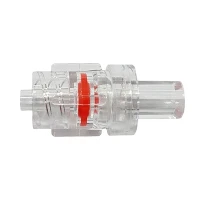


Can rotating luer connectors be used in vacuum applications? Well, that's a question I get asked quite often as a supplier of Rotating Luer Connectors. Let's dive into this topic and see what the deal is.
First off, let's understand what rotating luer connectors are. These little guys are super handy in the medical and lab fields. They're designed to connect different parts of a system, like tubes and syringes, in a way that allows for rotation. This rotation feature is a game - changer as it gives you more flexibility when setting up your equipment. You can adjust the angle of the connected parts without having to worry about kinking the tubes or breaking the connection.
Now, onto the main question: vacuum applications. Vacuum systems are used in all sorts of places, from medical suction devices to laboratory vacuum filtration setups. In these applications, the key is to maintain a tight seal. Any leak can mess up the whole process, whether it's preventing proper suction in a medical device or causing inaccurate results in a lab experiment.
The good news is that rotating luer connectors can indeed be used in vacuum applications, but there are some factors to consider.
Seal Integrity
One of the most important things in a vacuum system is the seal. Rotating luer connectors are typically designed with a luer lock mechanism. The Female Luer Lock Connector and Male Luer Lock Connector work together to create a secure connection. When properly tightened, this connection can withstand a certain level of vacuum pressure.
However, the quality of the seal depends on a few things. The material of the connector plays a big role. High - quality plastics or metals are often used to ensure durability and a good seal. For example, some connectors are made from medical - grade polycarbonate, which is strong and resistant to chemicals. This not only helps with the seal but also makes the connector suitable for use in sterile environments.
Another factor is the manufacturing process. A well - made rotating luer connector will have precise dimensions. Any small deviation in the size of the luer taper can affect the seal. That's why it's crucial to choose a supplier who has strict quality control measures in place.
Rotation and Vacuum
The rotation feature of these connectors is both a blessing and a bit of a challenge in vacuum applications. On one hand, it allows for easy adjustment of the equipment during setup. You can rotate the connector to get the perfect angle without disturbing the rest of the system.
On the other hand, constant rotation can potentially wear down the seal over time. Every time you rotate the connector, there's a small amount of friction between the male and female parts. This friction can cause the surfaces to wear, which might lead to leaks. To mitigate this, some rotating luer connectors are designed with special coatings or lubricants. These help reduce friction and protect the seal, ensuring that the connector can withstand repeated rotation without losing its ability to hold a vacuum.
Pressure Ratings
Just like any other component in a vacuum system, rotating luer connectors have pressure ratings. These ratings tell you the maximum vacuum pressure that the connector can handle without leaking. It's really important to check these ratings before using the connector in your application.
If you try to use a connector with a low pressure rating in a high - vacuum environment, you're asking for trouble. The connector might not be able to maintain the seal, and you'll end up with leaks. On the flip side, using an over - rated connector can be more expensive and might not be necessary for your specific application. So, it's all about finding the right balance.
Compatibility
In a vacuum system, the rotating luer connector needs to be compatible with the other components. This includes the tubes, syringes, and any other devices it's connected to. The size of the connector should match the size of the tubing. A mismatched connection can lead to leaks or a weak seal.
Also, consider the chemical compatibility. If your vacuum system involves the use of certain chemicals, make sure the rotating luer connector is resistant to those chemicals. Some chemicals can degrade the material of the connector over time, which can compromise the seal and the overall performance of the system.
Real - World Examples
Let's look at a couple of real - world examples to see how rotating luer connectors are used in vacuum applications.


In a medical setting, a suction device is often used to remove fluids from a patient's body. The rotating luer connector is used to connect the suction tube to the collection canister. The ability to rotate the connector allows the medical staff to position the tube in the most convenient way without disturbing the patient. As long as the connector has a good seal and can withstand the vacuum pressure created by the suction pump, it works great.
In a laboratory, vacuum filtration is a common technique. A rotating luer connector can be used to connect the filtration flask to the vacuum source. The rotation feature makes it easy to align the flask and the tubing, and the connector's seal ensures that the vacuum is maintained throughout the filtration process.
Conclusion
So, to sum it up, rotating luer connectors can definitely be used in vacuum applications. They offer the flexibility of rotation and, when properly selected and installed, can provide a reliable seal. But you need to pay attention to factors like seal integrity, rotation effects, pressure ratings, and compatibility.
If you're in the market for rotating luer connectors for your vacuum application, I'd love to help. As a supplier, I can offer you high - quality connectors that meet your specific needs. Whether you're in the medical field or a research lab, we've got the right solution for you. Reach out to start a conversation about your requirements, and let's work together to find the perfect rotating luer connectors for your vacuum system.
References
- ASTM F541 - Standard Specification for Luer Fittings for Syringes, Needles, and Certain Other Medical Devices
- ISO 594 - 1:1986 - Conical fittings with a 6 % (Luer) taper for syringes, needles and certain other medical equipment -- Part 1: General requirements