


Are there any regulations regarding the use of stopcocks?
Hey there! As a stopcock supplier, I often get asked about the regulations surrounding the use of stopcocks. It's a super important topic, so I thought I'd share some insights with you all.
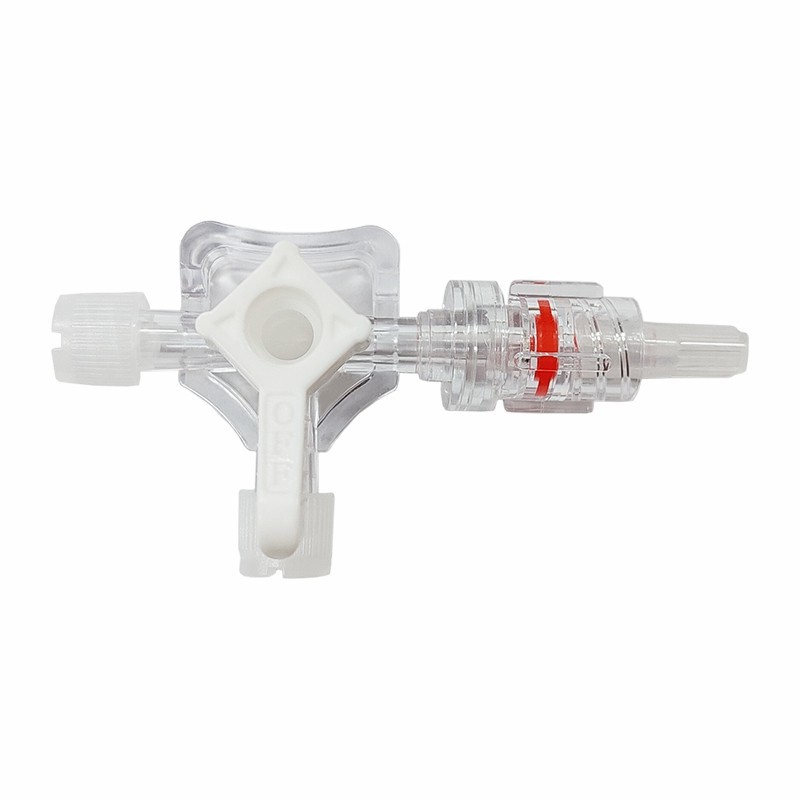
First off, let's talk about what stopcocks are. For those who aren't familiar, stopcocks are these nifty little valves that control the flow of fluids in medical and other applications. They're used in a bunch of places, like hospitals for IV drips, in laboratories for fluid handling, and even in some industrial settings.
Now, when it comes to regulations, there are definitely some rules in place. In the medical field, regulatory bodies like the Food and Drug Administration (FDA) in the United States have strict guidelines. These regulations are there to ensure the safety and effectiveness of stopcocks. For example, they set standards for the materials used to make stopcocks. The materials need to be biocompatible, which means they won't cause any harm when they come into contact with the human body. This is crucial, especially when stopcocks are used in medical procedures where they're directly connected to patients.
The FDA also requires that stopcocks go through a rigorous testing process before they can be sold in the market. This testing includes things like checking the flow rate accuracy, the durability of the valve, and the resistance to leakage. Any stopcock that doesn't meet these standards simply can't be used in medical applications.
In Europe, the situation is similar. The European Union has its own set of regulations under the Medical Device Regulation (MDR). Stopcocks are classified as medical devices, and they need to comply with a whole bunch of requirements. These include having proper labeling, which clearly states the intended use, the warnings, and the instructions for use. There are also rules about the manufacturing process. Manufacturers need to have a quality management system in place to ensure that every stopcock produced meets the high - quality standards.
But it's not just the medical field that has regulations. In industrial settings, there are also safety and quality standards. For instance, in chemical processing plants, stopcocks need to be able to withstand the corrosive nature of certain chemicals. There are industry - specific standards that dictate the materials and design of stopcocks for these applications. The Occupational Safety and Health Administration (OSHA) in the US also has regulations to ensure that workers are protected when using stopcocks in industrial environments.
One of the common types of stopcocks is the 3 Way Stopcock. These are particularly useful in medical situations where you might need to control the flow of multiple fluids at once. They allow for more complex fluid management, but they also need to adhere to all the same regulations as other stopcocks.
Now, why are these regulations so important? Well, for starters, they protect the end - users. In the medical field, patients' lives are at stake. A faulty stopcock could lead to incorrect fluid delivery, which could have serious consequences for the patient's health. In industrial settings, proper regulations prevent accidents. A leaky stopcock in a chemical plant could cause chemical spills, which are not only dangerous for the workers but also for the environment.

As a stopcock supplier, I take these regulations very seriously. We make sure that all the stopcocks we supply meet or exceed the relevant standards. We work closely with our manufacturers to ensure that the production process is up to par. We also do our own quality checks to double - check everything.
If you're in the market for stopcocks, whether it's for a medical facility, a laboratory, or an industrial plant, it's really important to choose a supplier who understands these regulations. You don't want to end up with sub - standard products that could put you or your patients/workers at risk.
When you're considering a stopcock supplier, here are a few things to look out for. First, ask about the regulatory compliance of their products. They should be able to provide you with documentation showing that their stopcocks meet the relevant standards. Second, check their reputation. Look for reviews from other customers to see if they've had a good experience with the supplier. Third, consider the range of products they offer. A good supplier should have a variety of stopcocks to meet different needs, like the 3 - way stopcock we mentioned earlier.
In conclusion, regulations regarding the use of stopcocks are essential for safety and quality. They exist in both the medical and industrial sectors, and as a stopcock supplier, I'm committed to providing products that adhere to these rules. If you're interested in learning more about our stopcock products or have any questions about regulatory compliance, don't hesitate to reach out. We're here to help you make the right choice for your needs. Whether you're a hospital administrator looking for reliable medical stopcocks or an industrial engineer in need of durable valves, we've got you covered. Let's start a conversation about your stopcock requirements and see how we can work together.
References
- U.S. Food and Drug Administration (FDA) regulations on medical devices
- European Union Medical Device Regulation (MDR)
- Occupational Safety and Health Administration (OSHA) standards for industrial equipment