


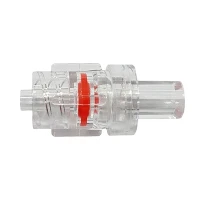


As a supplier of IV sets, I've encountered numerous inquiries from medical professionals and patients regarding potential allergic reactions associated with the materials used in these essential medical devices. Understanding which materials in an IV set can cause allergies is crucial for both healthcare providers and patients to ensure safe and effective treatment. In this blog post, I'll delve into the various components of an IV set and discuss the materials that may trigger allergic responses.
Understanding the Components of an IV Set
Before we explore the allergenic materials, let's briefly review the main components of an IV set. An IV set typically consists of a spike, drip chamber, tubing, roller clamp, injection port, and needle or catheter. Each component serves a specific function in delivering fluids, medications, or nutrients directly into the patient's bloodstream.
Allergenic Materials in IV Sets
Latex
Latex is a natural rubber material derived from the sap of the Hevea brasiliensis tree. It has been widely used in the medical industry for its elasticity, flexibility, and durability. However, latex is also a common allergen, and exposure to latex can cause allergic reactions ranging from mild skin irritation to severe anaphylaxis.
In IV sets, latex may be present in various components, such as the tubing, gaskets, and injection ports. Patients with a latex allergy should avoid using IV sets that contain latex. Healthcare providers should also take precautions to use latex-free IV sets when treating patients with known latex allergies.
Polyvinyl Chloride (PVC)
Polyvinyl chloride, or PVC, is a synthetic plastic material commonly used in the manufacturing of IV sets. PVC is known for its clarity, flexibility, and chemical resistance. However, PVC contains phthalates, which are plasticizers used to make the material more flexible.
Phthalates have been linked to various health concerns, including allergic reactions. Some patients may experience skin irritation, itching, or swelling after exposure to PVC-based IV sets. In addition, phthalates can leach out of the PVC material and into the bloodstream, potentially causing systemic effects.
To minimize the risk of allergic reactions, some manufacturers have developed PVC-free IV sets that use alternative materials, such as polyolefin or thermoplastic elastomers. These materials are generally considered to be safer and more biocompatible than PVC.
Metals
Metals, such as stainless steel and titanium, are commonly used in the manufacturing of needles and catheters in IV sets. While these metals are generally considered to be safe, some patients may have an allergic reaction to certain metals.
Nickel is one of the most common metal allergens, and exposure to nickel can cause skin irritation, itching, and swelling. In severe cases, nickel allergy can lead to systemic reactions, such as difficulty breathing and low blood pressure.
To reduce the risk of metal allergies, healthcare providers should use hypoallergenic needles and catheters made from materials that are less likely to cause allergic reactions, such as titanium or surgical-grade stainless steel.
Adhesives
Adhesives are used in IV sets to secure the tubing, needles, and catheters in place. These adhesives may contain various chemicals, such as acrylics, silicones, and rubber-based compounds.
Some patients may be allergic to the adhesives used in IV sets, and exposure to these adhesives can cause skin irritation, itching, and blistering. In severe cases, adhesive allergy can lead to contact dermatitis, a type of skin inflammation that can be painful and difficult to treat.
To minimize the risk of adhesive allergies, healthcare providers should use hypoallergenic adhesives or alternative methods of securing the IV set, such as tape or wraps.
Identifying and Managing Allergic Reactions
If a patient experiences an allergic reaction to an IV set, it's important to identify the source of the allergy and take appropriate measures to manage the reaction. Symptoms of an allergic reaction may include skin rash, itching, swelling, difficulty breathing, and low blood pressure.
If a patient develops a mild allergic reaction, such as skin irritation or itching, the healthcare provider may remove the IV set and apply a topical corticosteroid cream to the affected area. In more severe cases, the patient may require systemic treatment with antihistamines or epinephrine.
To prevent allergic reactions, healthcare providers should take a detailed medical history from patients before using an IV set. Patients with a known allergy to latex, PVC, metals, or adhesives should be treated with alternative IV sets that do not contain these materials.
Our Commitment to Safety and Quality
As an IV set supplier, we are committed to providing high-quality, safe, and reliable products to our customers. We understand the importance of minimizing the risk of allergic reactions and take several measures to ensure the safety of our IV sets.
First, we use only the highest quality materials in the manufacturing of our IV sets. We source our materials from reputable suppliers and conduct rigorous quality control tests to ensure that our products meet or exceed industry standards.
Second, we offer a wide range of IV sets that are latex-free, PVC-free, and hypoallergenic. Our Burette Set, Disposable Infusion Pump, and Retractable Safety Syringe are all designed to minimize the risk of allergic reactions and provide a safe and effective solution for patients.


Finally, we provide comprehensive training and support to our customers to ensure that they are using our IV sets correctly and safely. Our team of experts is available to answer any questions or concerns that our customers may have and to provide guidance on the selection and use of our products.
Contact Us for More Information
If you're interested in learning more about our IV sets or have any questions or concerns about allergic reactions, please don't hesitate to contact us. Our team of experts is available to provide you with more information and to help you select the right IV set for your needs.
We look forward to working with you to provide high-quality, safe, and reliable IV sets for your patients.
References
- American Academy of Allergy, Asthma & Immunology. (n.d.). Latex allergy. Retrieved from [Website URL]
- Centers for Disease Control and Prevention. (n.d.). PVC in the healthcare environment. Retrieved from [Website URL]
- Food and Drug Administration. (n.d.). Medical device materials: Allergies and sensitivities. Retrieved from [Website URL]