




A steam pipeline system is a complex network that requires precise control and management to ensure safe and efficient operation. One of the key components in such a system is the check valve. As a reputable check valve supplier, I've witnessed firsthand the critical role these valves play in steam pipeline systems. In this blog, I'll delve into the functions, importance, and types of check valves in steam pipeline systems.
Understanding the Basics of Check Valves
A check valve, also known as a non - return valve, is a mechanical device that allows fluid (in this case, steam) to flow in one direction only. It operates automatically, relying on the pressure of the fluid to open and close. When the pressure of the fluid flowing in the desired direction is sufficient, the valve opens, allowing the steam to pass through. Conversely, when the pressure reverses or drops below a certain level, the valve closes to prevent backflow.


The Role of Check Valves in Steam Pipeline Systems
Preventing Backflow
One of the primary functions of a check valve in a steam pipeline system is to prevent backflow. Backflow can occur for various reasons, such as a sudden drop in steam pressure in the main pipeline or the failure of a pump. If backflow is not prevented, it can lead to several problems. For example, it can cause water hammer, which is a pressure surge or wave caused when a fluid in motion is forced to stop or change direction suddenly. Water hammer can damage pipes, fittings, and other components in the steam pipeline system, leading to costly repairs and downtime.
Protecting Equipment
Check valves also play a crucial role in protecting equipment in the steam pipeline system. Steam pumps, turbines, and other machinery are designed to operate with steam flowing in a specific direction. Backflow of steam can cause these machines to malfunction or even break down. By preventing backflow, check valves ensure that the equipment operates within its designed parameters, extending its lifespan and reducing maintenance costs.
Maintaining System Efficiency
In a steam pipeline system, maintaining the correct flow direction is essential for efficient operation. Check valves help to ensure that steam is distributed evenly throughout the system, reducing energy losses. When steam flows in the correct direction, it can transfer heat more effectively, improving the overall efficiency of the system. This not only saves energy but also reduces operating costs.
Types of Check Valves Used in Steam Pipeline Systems
Swing Check Valves
Swing check valves are one of the most common types of check valves used in steam pipeline systems. They consist of a disc that swings on a hinge or shaft. When the steam flows in the forward direction, the disc is pushed open by the pressure of the steam. When the flow reverses, the disc swings back to its closed position, preventing backflow. Swing check valves are suitable for large - diameter pipelines and applications where the flow rate is relatively stable.
Lift Check Valves
Lift check valves operate by lifting a disc off its seat when the steam flows in the forward direction. The disc is guided by a stem or a cage to ensure proper alignment. Lift check valves are often used in applications where the flow rate is low or where a tight shut - off is required. They are also suitable for high - pressure steam pipeline systems.
Dual Check Valves
Dual Check Valves are designed with two independent check valves in a single body. This provides an extra layer of protection against backflow. Dual check valves are commonly used in applications where the risk of backflow is high, such as in critical steam pipeline systems or in systems where the steam is used for heating or power generation.
Luer Check Valves
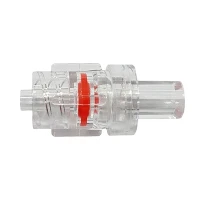
Luer Check Valves are a type of check valve that uses a luer fitting for connection. They are often used in smaller steam pipeline systems or in applications where a compact design is required. Luer check valves are easy to install and remove, making them suitable for applications where frequent maintenance or replacement is necessary.
Considerations When Selecting Check Valves for Steam Pipeline Systems
When selecting a check valve for a steam pipeline system, several factors need to be considered.
Pressure Rating
The pressure rating of the check valve must be suitable for the operating pressure of the steam pipeline system. A valve with a lower pressure rating than the system pressure can fail, leading to backflow and potential damage to the system.
Temperature Rating
Steam can reach high temperatures, so the check valve must be able to withstand the operating temperature of the system. Valves made from materials that can tolerate high temperatures, such as stainless steel or brass, are often used in steam pipeline systems.
Flow Rate
The flow rate of the steam in the pipeline system also affects the selection of the check valve. Different types of check valves have different flow characteristics, and the valve must be able to handle the expected flow rate without causing excessive pressure drop.
Size
The size of the check valve must match the size of the pipeline. A valve that is too small can restrict the flow of steam, while a valve that is too large can be more expensive and may not function properly.
Conclusion
As a check valve supplier, I understand the importance of providing high - quality check valves for steam pipeline systems. Check valves play a vital role in preventing backflow, protecting equipment, and maintaining system efficiency. By selecting the right type of check valve based on factors such as pressure rating, temperature rating, flow rate, and size, operators can ensure the safe and efficient operation of their steam pipeline systems.
If you're in the market for check valves for your steam pipeline system, I invite you to reach out to us. Our team of experts can help you select the most suitable check valves for your specific needs. We offer a wide range of check valves, including swing check valves, lift check valves, dual check valves, and luer check valves, all of which are designed to meet the highest standards of quality and performance. Contact us today to start a procurement discussion and take the first step towards improving the efficiency and reliability of your steam pipeline system.
References
- "Steam Piping Systems Handbook" by John P. McKetta
- "Handbook of Valves" by Robert W. McKetta
- "Check Valve Selection and Sizing" by Valve Manufacturers Association of America