


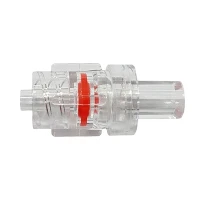


Hey there! As a supplier of IV tubing, one of the most common questions I get asked is, "What is the recommended flushing solution for IV tubing?" It's a crucial question because the right flushing solution can prevent clots, maintain the patency of the IV line, and ensure the safe and effective delivery of medications and fluids. In this blog post, I'll dive into the different types of flushing solutions, their pros and cons, and how to choose the best one for your IV tubing needs.
Types of Flushing Solutions
There are several types of flushing solutions commonly used for IV tubing, each with its unique properties and applications. Let's take a closer look at the most popular ones:
Saline Solution
Saline solution, also known as normal saline, is the most widely used flushing solution for IV tubing. It's a mixture of sodium chloride (salt) and water, with a concentration that closely matches the body's natural physiological fluids. Saline solution is isotonic, which means it has the same osmolarity as the body's cells, making it safe and well-tolerated.
One of the main advantages of saline solution is its simplicity. It's readily available, inexpensive, and easy to use. Saline solution can effectively flush out any residual medications or fluids from the IV tubing, preventing clots and maintaining the patency of the line. It's also compatible with most medications and can be used for both intermittent and continuous flushing.
However, saline solution has some limitations. It doesn't have any anticoagulant properties, so it may not be sufficient to prevent clots in patients at high risk of thrombosis. In these cases, a heparin solution may be more appropriate.
Heparin Solution
Heparin is an anticoagulant medication that prevents blood clots from forming. Heparin solution is a mixture of heparin and saline, with a concentration that varies depending on the patient's needs. Heparin solution is commonly used for flushing IV tubing in patients at high risk of thrombosis, such as those with a history of blood clots, atrial fibrillation, or who are undergoing surgery.
One of the main advantages of heparin solution is its anticoagulant properties. It can effectively prevent clots from forming in the IV tubing, reducing the risk of complications such as catheter-related bloodstream infections and thrombosis. Heparin solution is also compatible with most medications and can be used for both intermittent and continuous flushing.
However, heparin solution has some drawbacks. It's more expensive than saline solution and requires careful monitoring of the patient's coagulation status. Heparin can also cause side effects such as bleeding, thrombocytopenia (low platelet count), and heparin-induced thrombocytopenia and thrombosis (HITT), a serious and potentially life-threatening condition.
Citrate Solution
Citrate is a natural anticoagulant that can prevent blood clots from forming. Citrate solution is a mixture of citrate and saline, with a concentration that varies depending on the patient's needs. Citrate solution is commonly used for flushing IV tubing in patients at high risk of thrombosis, such as those with a history of blood clots, atrial fibrillation, or who are undergoing surgery.
One of the main advantages of citrate solution is its anticoagulant properties. It can effectively prevent clots from forming in the IV tubing, reducing the risk of complications such as catheter-related bloodstream infections and thrombosis. Citrate solution is also less likely to cause side effects such as bleeding and thrombocytopenia compared to heparin solution.
However, citrate solution has some limitations. It's more expensive than saline solution and requires careful monitoring of the patient's calcium levels. Citrate can also cause side effects such as hypocalcemia (low calcium levels), metabolic alkalosis, and citrate toxicity, a serious and potentially life-threatening condition.
Choosing the Right Flushing Solution
Choosing the right flushing solution for your IV tubing depends on several factors, including the patient's medical history, the type of IV tubing being used, and the medications and fluids being administered. Here are some general guidelines to help you choose the best flushing solution for your needs:
- Patient's Medical History: If the patient has a history of blood clots, atrial fibrillation, or is at high risk of thrombosis, a heparin or citrate solution may be more appropriate. If the patient is at low risk of thrombosis, a saline solution may be sufficient.
- Type of IV Tubing: Different types of IV tubing may require different flushing solutions. For example, IV Extension Tube and CT Contrast Tubing may require a larger volume of flushing solution to ensure the patency of the line. IV Coiled Extension Tube may require a more viscous flushing solution to prevent kinking and blockages.
- Medications and Fluids Being Administered: Some medications and fluids may be incompatible with certain flushing solutions. For example, some medications may interact with heparin or citrate, causing adverse effects. It's important to check the compatibility of the medications and fluids with the flushing solution before administering them.
Best Practices for Flushing IV Tubing
In addition to choosing the right flushing solution, it's important to follow best practices for flushing IV tubing to ensure the safe and effective delivery of medications and fluids. Here are some tips to help you flush IV tubing properly:
- Use a Sterile Technique: Always use a sterile technique when flushing IV tubing to prevent the introduction of bacteria and other microorganisms into the bloodstream. This includes using sterile gloves, a sterile syringe, and a sterile flushing solution.
- Flush Before and After Medication Administration: Flush the IV tubing before and after administering medications to prevent the mixing of different medications and to ensure the complete delivery of the medication. Use a sufficient volume of flushing solution to flush out any residual medication from the tubing.
- Flush at Regular Intervals: Flush the IV tubing at regular intervals to maintain the patency of the line and prevent the formation of clots. The frequency of flushing depends on the type of IV tubing being used, the medications and fluids being administered, and the patient's medical condition.
- Use the Correct Flush Volume: Use the correct flush volume for the type of IV tubing being used. The flush volume should be sufficient to fill the entire length of the tubing and to flush out any residual medication or fluid.
- Avoid Overflushing: Overflushing the IV tubing can cause complications such as air embolism, fluid overload, and damage to the blood vessel. Use only the recommended flush volume and avoid overflushing.
Conclusion
Choosing the right flushing solution for your IV tubing is essential for the safe and effective delivery of medications and fluids. Saline solution is the most widely used flushing solution, but heparin and citrate solutions may be more appropriate for patients at high risk of thrombosis. It's important to consider the patient's medical history, the type of IV tubing being used, and the medications and fluids being administered when choosing the best flushing solution for your needs. By following best practices for flushing IV tubing, you can prevent clots, maintain the patency of the line, and ensure the safe and effective delivery of medications and fluids.


If you're interested in learning more about our IV tubing products or have any questions about flushing solutions, please don't hesitate to contact us. We're here to help you find the best solution for your needs and to ensure the safe and effective delivery of medications and fluids.
References
- American Society of Health-System Pharmacists. (2018). ASHP guidelines on preventing intravenous catheter-related infections. American Journal of Health-System Pharmacy, 75(20), 1794-1813.
- Centers for Disease Control and Prevention. (2011). Guideline for preventing healthcare-associated pneumonia, 2003. Recommendations of CDC and the Healthcare Infection Control Practices Advisory Committee. MMWR Recommendations and Reports, 50(RR-10), 1-44.
- Infusion Nurses Society. (2016). Infusion nursing standards of practice. Journal of Infusion Nursing, 39(Suppl 1), S1-S156.