




What is the Cost of CT Contrast Tubing?
As a supplier of CT Contrast Tubing, I've had numerous discussions with healthcare providers,采购人员, and industry insiders about the cost of these essential medical devices. In this blog post, I'll delve into the various factors that influence the cost of CT Contrast Tubing and offer insights into how to make informed decisions when purchasing them.
Understanding CT Contrast Tubing
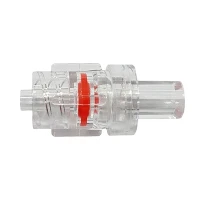
CT Contrast Tubing is a specialized medical tubing used in computed tomography (CT) scans to deliver contrast agents into the patient's bloodstream. These agents enhance the visibility of internal structures during the scan, allowing for more accurate diagnoses. CT Contrast Tubing is designed to withstand high pressures and ensure the safe and efficient delivery of contrast agents. You can learn more about CT Contrast Tubing here.
Factors Affecting the Cost of CT Contrast Tubing
1. Material Quality
The quality of the materials used in CT Contrast Tubing is a significant factor in determining its cost. High-quality materials, such as medical-grade polymers, are more expensive but offer better performance and safety. These materials are designed to be biocompatible, non-toxic, and resistant to kinking and bursting under high pressures. Cheaper materials may be more prone to failure, which can lead to complications during the CT scan and potentially harm the patient.
2. Design and Features
The design and features of CT Contrast Tubing can also impact its cost. Tubing with advanced features, such as anti-kink mechanisms, integrated check valves, and pressure relief valves, is generally more expensive than basic tubing. These features enhance the safety and functionality of the tubing, reducing the risk of complications and improving the overall efficiency of the CT scan. Additionally, tubing with a specific length, diameter, or connector type may be more costly due to the customization required.
3. Brand and Reputation
The brand and reputation of the CT Contrast Tubing supplier can also influence its cost. Well-established brands with a proven track record of quality and reliability often charge a premium for their products. These brands invest heavily in research and development, manufacturing processes, and quality control to ensure that their tubing meets the highest standards of safety and performance. While brand-name tubing may be more expensive, it can provide peace of mind for healthcare providers and patients, knowing that they are using a trusted product.
4. Quantity and Volume
The quantity and volume of CT Contrast Tubing purchased can also affect its cost. Suppliers often offer discounts for bulk purchases, as it reduces their production and distribution costs. Healthcare providers who purchase large quantities of tubing on a regular basis can negotiate better prices with their suppliers. Additionally, some suppliers may offer volume-based pricing tiers, where the cost per unit decreases as the quantity purchased increases.
5. Regulatory Requirements
CT Contrast Tubing is subject to strict regulatory requirements to ensure its safety and effectiveness. These requirements include compliance with international standards, such as ISO 13485 and FDA regulations in the United States. Meeting these regulations requires significant investment in research, development, and manufacturing processes, which can increase the cost of the tubing. Suppliers who invest in regulatory compliance demonstrate their commitment to quality and safety, but it may result in higher prices for their products.
Cost Comparison with Similar Products
When considering the cost of CT Contrast Tubing, it's important to compare it with similar products, such as IV Extension Tube and IV Coiled Extension Tube. While these products may have some similarities, they are designed for different purposes and have different features and requirements.
IV Extension Tubes are used to extend the length of an intravenous (IV) line, allowing for greater flexibility and mobility during the administration of fluids or medications. They are typically less expensive than CT Contrast Tubing because they do not need to withstand the high pressures associated with CT scans. IV Coiled Extension Tubes are similar to IV Extension Tubes but have a coiled design that allows for greater flexibility and reduces the risk of kinking. They are also generally less expensive than CT Contrast Tubing.
Balancing Cost and Quality
When purchasing CT Contrast Tubing, it's important to balance cost and quality. While it may be tempting to choose the cheapest option available, it's crucial to consider the potential risks and consequences of using low-quality tubing. A failure in the tubing during a CT scan can lead to complications, such as extravasation (leakage of contrast agent into the surrounding tissue), which can cause pain, swelling, and tissue damage. In some cases, it may even require additional medical treatment.


On the other hand, choosing the most expensive tubing may not always be necessary. Healthcare providers should evaluate their specific needs and requirements and choose tubing that offers the best combination of quality, safety, and cost-effectiveness. By working with a reputable supplier, healthcare providers can negotiate better prices and ensure that they are getting the best value for their money.
Tips for Reducing the Cost of CT Contrast Tubing
Here are some tips for healthcare providers to reduce the cost of CT Contrast Tubing without compromising on quality:
1. Negotiate with Suppliers
Healthcare providers should negotiate with their CT Contrast Tubing suppliers to get the best possible price. They can leverage their purchasing volume, long-term contracts, and competitive bids to negotiate better terms and discounts. Additionally, they can ask suppliers to provide samples of their tubing for evaluation before making a purchase decision.
2. Consider Alternative Brands
While brand-name CT Contrast Tubing may be more expensive, there are often alternative brands available that offer similar quality and performance at a lower cost. Healthcare providers should consider these alternative brands and evaluate them based on their features, specifications, and customer reviews.
3. Optimize Inventory Management
Healthcare providers should optimize their inventory management to reduce waste and ensure that they have the right amount of CT Contrast Tubing on hand. This can involve implementing a just-in-time inventory system, where tubing is ordered and delivered as needed, rather than stockpiling large quantities. Additionally, healthcare providers should monitor their inventory levels regularly and adjust their orders based on usage patterns.
4. Train Staff on Proper Usage
Proper usage of CT Contrast Tubing can help reduce the risk of complications and extend the lifespan of the tubing. Healthcare providers should train their staff on the correct installation, handling, and disposal of the tubing to ensure that it is used safely and effectively. This can help reduce the need for replacement tubing and lower overall costs.
Conclusion
The cost of CT Contrast Tubing is influenced by various factors, including material quality, design and features, brand and reputation, quantity and volume, and regulatory requirements. Healthcare providers should carefully consider these factors when purchasing CT Contrast Tubing and balance cost and quality to ensure the safety and effectiveness of their patients. By negotiating with suppliers, considering alternative brands, optimizing inventory management, and training staff on proper usage, healthcare providers can reduce the cost of CT Contrast Tubing without compromising on quality.
If you're interested in learning more about our CT Contrast Tubing products or would like to discuss your specific needs and requirements, please don't hesitate to contact us. We're committed to providing high-quality, cost-effective tubing solutions for healthcare providers worldwide.
References
- ISO 13485:2016, Medical devices - Quality management systems - Requirements for regulatory purposes.
- U.S. Food and Drug Administration (FDA), Medical Device Regulations.