


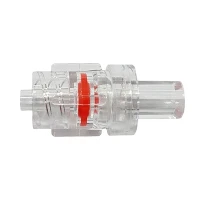


Hey there! As a check valve supplier, I often get asked about different types of check valves. One type that's quite interesting and useful is the diaphragm check valve. So, let's dive into what a diaphragm check valve is all about.
Basics of a Diaphragm Check Valve
A diaphragm check valve is a simple yet effective device used in fluid systems. It's designed to allow fluid to flow in one direction only and prevent backflow. The key part of this valve is the diaphragm, which is a flexible membrane.
When the fluid flows in the correct direction, it exerts pressure on the diaphragm, causing it to open and let the fluid pass through. But when there's a reverse flow or backpressure, the diaphragm gets pushed back against the valve seat, closing the valve and stopping the fluid from flowing the wrong way.
How Does It Work?
Let's break down the working mechanism a bit more. Picture a pipeline where the diaphragm check valve is installed. When the fluid starts moving in the forward direction, its pressure overcomes the resistance of the diaphragm. The diaphragm then flexes away from the valve seat, creating an opening for the fluid to flow through.
Once the forward flow stops or there's a pressure drop, the diaphragm returns to its original position due to its elasticity. And if there's any backflow trying to occur, the pressure of the backflow pushes the diaphragm firmly against the valve seat, sealing it tightly. This ensures that no fluid can flow back upstream, protecting the system from potential damage or contamination.
Advantages of Diaphragm Check Valves
There are several reasons why diaphragm check valves are popular in many applications.
1. Leak - Tightness
One of the biggest advantages is their excellent leak - tightness. The diaphragm forms a reliable seal against the valve seat, preventing even the smallest amount of fluid from leaking back. This is crucial in systems where leakage can lead to safety hazards or product quality issues.
2. Low Pressure Drop
These valves typically have a low pressure drop across them when the fluid is flowing in the forward direction. That means they don't significantly impede the flow of the fluid, allowing the system to operate efficiently.
3. Resistance to Contamination
The diaphragm acts as a barrier between the fluid and the valve mechanism. This helps in preventing contaminants from entering the valve and causing damage or malfunction. It also makes the valve suitable for use in applications where the fluid may contain particles or debris.


4. Quiet Operation
Diaphragm check valves operate quietly compared to some other types of check valves. There's no loud clattering or banging when the valve opens and closes, which is a plus in environments where noise is a concern.
Applications of Diaphragm Check Valves
Diaphragm check valves are used in a wide range of industries and applications.
1. Water Treatment
In water treatment plants, these valves are used to prevent backflow of treated water into the untreated water supply. They ensure that the water flows in the correct direction through the various treatment processes, maintaining the quality of the treated water.
2. Medical Devices
Medical equipment often uses diaphragm check valves. For example, in some infusion pumps, they prevent the backflow of fluids, ensuring accurate dosing and preventing contamination. You can check out more about medical check valves like the Dual Check Valve and Luer Check Valve on our website.
3. Chemical Processing
In chemical plants, diaphragm check valves are used to control the flow of chemicals. They prevent the mixing of different chemicals due to backflow, which could lead to dangerous reactions.
4. HVAC Systems
Heating, ventilation, and air - conditioning systems use these valves to ensure proper flow of refrigerants and other fluids. They help in maintaining the efficiency of the system and preventing damage caused by backflow.
Types of Diaphragm Check Valves
There are different types of diaphragm check valves available, each with its own features and applications.
1. Wafer - Style Diaphragm Check Valves
These are compact and easy to install between flanges in a pipeline. They're a popular choice for applications where space is limited.
2. Swing - Type Diaphragm Check Valves
In swing - type valves, the diaphragm swings open and closed. They're suitable for applications where there's a relatively low flow rate and low pressure.
3. Lift - Type Diaphragm Check Valves
Lift - type valves have a diaphragm that lifts up to allow fluid flow. They're often used in high - pressure applications where a more robust sealing mechanism is required.
Maintenance of Diaphragm Check Valves
Proper maintenance is important to ensure the long - term performance of diaphragm check valves.
1. Regular Inspection
Periodically inspect the valve for any signs of damage to the diaphragm, such as cracks or tears. Check the valve seat for wear or debris that could affect the sealing.
2. Cleaning
If the fluid contains contaminants, clean the valve regularly to prevent the build - up of debris on the diaphragm and valve seat. Use a suitable cleaning agent that won't damage the valve materials.
3. Diaphragm Replacement
Over time, the diaphragm may wear out. Replace it according to the manufacturer's recommendations or if you notice any signs of reduced performance.
Choosing the Right Diaphragm Check Valve
When selecting a diaphragm check valve for your application, there are several factors to consider.
1. Fluid Compatibility
Make sure the diaphragm material is compatible with the fluid that will be flowing through the valve. Different fluids can react with different materials, so choose a diaphragm that won't be damaged by the fluid.
2. Pressure and Flow Rate
Determine the operating pressure and flow rate of your system. Select a valve that can handle these conditions without any issues.
3. Size
Choose the right valve size based on the pipeline diameter and the flow requirements of your system. An incorrectly sized valve can lead to poor performance or even system failure.
Why Choose Us as Your Check Valve Supplier
As a check valve supplier, we have a wide range of diaphragm check valves to meet your specific needs. We offer high - quality products that are reliable and durable. Our team of experts can help you choose the right valve for your application, considering all the factors we've discussed.
We also provide excellent customer service. Whether you have questions about installation, maintenance, or any other aspect of our check valves, we're here to assist you. And if you're interested in purchasing diaphragm check valves or any other type of check valves, we'd love to have a conversation with you. Contact us to start a procurement discussion and find the best solutions for your fluid system needs.
References
- "Valve Handbook" by J. A. Nesbitt
- "Fluid Mechanics and Hydraulics" by Robert L. Mott
So, that's a pretty good overview of what a diaphragm check valve is. I hope this blog has been helpful to you in understanding this important component in fluid systems. If you have any more questions, feel free to reach out!