


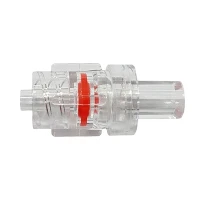


As a reputable supplier of IV tubing, I understand the critical importance of providing clear and comprehensive information on product labels. IV tubing is a vital component in healthcare settings, used for the administration of fluids, medications, and blood products. The label on IV tubing serves as a primary source of information for healthcare professionals, ensuring safe and effective use of the product. In this blog post, I will discuss the essential information that should be included on the label of IV tubing.
Product Identification
The label should prominently display the name and brand of the IV tubing. This helps healthcare providers quickly identify the product and ensures they are using the correct type of tubing for the intended purpose. Additionally, the label should include a product model number or code, which can be used for inventory management and product tracking. For example, if you are offering different types of IV tubing such as IV Coiled Extension Tube, IV Extension Tube, and CT Contrast Tubing, each should have a unique identifier on the label.
Patient Safety Information
Patient safety is of utmost importance in healthcare, and the IV tubing label should provide crucial safety information. This includes details about the tubing's compatibility with various fluids and medications. Some medications may react with certain materials used in IV tubing, leading to adverse effects. Therefore, the label should clearly state the substances that the tubing is compatible with and any contraindications.


Another important safety aspect is the tubing's sterility. The label should indicate whether the tubing is sterile and the method of sterilization used. It should also provide information on the expiration date of the sterility, as using expired sterile tubing can increase the risk of infection. Additionally, the label may include warnings about potential hazards, such as the risk of air embolism if the tubing is not properly primed.
Technical Specifications
Technical specifications are essential for healthcare professionals to understand the performance characteristics of the IV tubing. The label should include information about the tubing's length, inner diameter, and outer diameter. These dimensions can affect the flow rate of fluids through the tubing. For example, a larger inner diameter may allow for a higher flow rate, which is important in situations where rapid fluid administration is required.
The label should also provide details about the tubing's material composition. Different materials have different properties, such as flexibility, durability, and resistance to kinking. Healthcare providers need to know the material of the tubing to ensure it is suitable for their specific needs. For instance, some patients may have allergies to certain materials, so the label should clearly state if the tubing contains any potential allergens.
Flow Rate Information
Accurate flow rate control is crucial in IV therapy. The label should provide information on the recommended flow rates for the IV tubing. This can be presented as a range of flow rates or as specific values based on different types of fluids. The flow rate information helps healthcare providers set the correct infusion pump settings or adjust the manual flow rate to ensure the patient receives the appropriate amount of fluid or medication.
In addition to the recommended flow rates, the label may also include information about the tubing's resistance to flow. Higher resistance can result in a lower flow rate, and healthcare providers need to be aware of this when choosing the appropriate tubing for a particular patient or situation.
Usage Instructions
Clear usage instructions are necessary to ensure the proper and safe use of IV tubing. The label should provide step-by-step instructions on how to set up, prime, and connect the tubing to the infusion device and the patient. It should also include instructions on how to change the tubing at the appropriate intervals to prevent infection.
For example, the label may state that the tubing should be primed with the appropriate fluid before use to remove any air bubbles. It may also provide guidance on how to secure the tubing to prevent dislodgment during the infusion process. Additionally, the label should include instructions on how to handle and dispose of the tubing safely after use.
Regulatory Compliance
IV tubing is a medical device, and it must comply with relevant regulatory standards. The label should indicate that the product meets the requirements of regulatory bodies such as the Food and Drug Administration (FDA) in the United States or the European Union's Medical Device Regulation (MDR). This information gives healthcare providers confidence in the quality and safety of the product.
The label may also include information about any certifications or approvals that the IV tubing has received. For example, it may state that the tubing is compliant with ISO standards, which are internationally recognized benchmarks for quality and safety.
Batch and Lot Information
Batch and lot information is important for product traceability. The label should include the batch number and lot number of the IV tubing. In the event of a product recall or quality issue, this information allows healthcare providers and manufacturers to track the specific batch or lot of tubing that may be affected. It also helps in identifying the source of the problem and taking appropriate corrective actions.
Storage and Handling Information
Proper storage and handling of IV tubing are essential to maintain its quality and sterility. The label should provide instructions on how to store the tubing, including the recommended temperature and humidity conditions. It should also warn against exposing the tubing to extreme temperatures, sunlight, or other environmental factors that could damage the product.
In addition, the label should provide information on how to handle the tubing during transportation and installation. For example, it may state that the tubing should be handled with clean hands to prevent contamination and that it should be stored in a protective packaging until ready for use.
Contact Information
As a supplier of IV tubing, it is important to provide contact information on the label. This allows healthcare providers to reach out to us if they have any questions, concerns, or need technical support regarding the product. The contact information may include our company's phone number, email address, and website.
In conclusion, the label on IV tubing plays a crucial role in ensuring the safe and effective use of the product. By including the information discussed above, we can provide healthcare professionals with the necessary details to make informed decisions and deliver high-quality care to their patients. If you are interested in purchasing our IV tubing products or have any questions, please feel free to contact us. We are committed to providing you with the best products and services in the field of IV therapy.
References
- Association for the Advancement of Medical Instrumentation (AAMI). (Year). Standards for IV tubing.
- Food and Drug Administration (FDA). (Year). Guidelines for labeling medical devices, including IV tubing.
- International Organization for Standardization (ISO). (Year). ISO standards related to medical devices and IV tubing.