


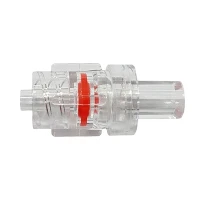


As a stopcock supplier, I've encountered numerous situations where customers faced issues with faulty stopcocks. A stopcock is a crucial component in many systems, especially in medical and fluid - handling applications. Recognizing the signs of a faulty stopcock is essential to ensure the proper functioning of the overall system and prevent potential hazards.
Leakage
One of the most obvious signs of a faulty stopcock is leakage. Leakage can occur at the joints or around the valve stem. In medical settings, a leaking 3 Way Stopcock can lead to a loss of fluids, which might affect the patient's treatment. For example, in an intravenous (IV) setup, if the stopcock leaks, the correct dosage of medication may not reach the patient, and there is also a risk of contamination.
In industrial fluid - handling systems, leakage can result in the loss of valuable fluids, increased costs due to fluid replacement, and potential environmental hazards. The cause of leakage can be worn - out seals, improper installation, or damage to the stopcock body. Seals can degrade over time due to exposure to chemicals, high temperatures, or mechanical stress. If the stopcock is not installed correctly, it may not form a proper seal, leading to leakage.


Difficulty in Turning
Another sign of a faulty stopcock is difficulty in turning the valve handle. A well - functioning stopcock should turn smoothly with a moderate amount of force. If you find that the handle is hard to turn, it could indicate several problems.
One possible cause is the build - up of debris or sediment inside the stopcock. In water systems, minerals and dirt can accumulate over time, clogging the valve mechanism. This can make it difficult to open or close the stopcock fully. Another reason could be corrosion. If the stopcock is made of metal and is exposed to a corrosive environment, the metal can rust, causing the valve parts to stick together.
In some cases, the internal components of the stopcock may be damaged. For example, the valve seat may be worn or misaligned, which can interfere with the smooth movement of the valve. Difficulty in turning the stopcock can also lead to over - tightening, which can further damage the stopcock and increase the risk of leakage.
Inconsistent Flow Control
A faulty stopcock may also exhibit inconsistent flow control. In a properly working stopcock, you should be able to control the flow of fluid accurately by adjusting the valve position. However, if the stopcock is faulty, you may notice that the flow rate changes unexpectedly or that you cannot achieve the desired flow rate.
This could be due to a problem with the valve design or manufacturing defect. For example, if the valve is not machined precisely, the opening and closing mechanism may not work as intended, resulting in inconsistent flow. Another possible cause is damage to the valve internals. If the valve disc or plug is worn or damaged, it may not seal properly, causing the flow to be erratic.
In medical applications, inconsistent flow control can be extremely dangerous. For instance, in a syringe pump system, if the stopcock does not regulate the flow of medication accurately, the patient may receive an incorrect dosage, which can have serious consequences for their health.
Noisy Operation
Noisy operation is another sign that the stopcock may be faulty. If you hear a rattling, hissing, or other unusual noises when operating the stopcock, it could indicate a problem.
A rattling noise may be due to loose internal components. Over time, the vibrations from normal use can cause screws, nuts, or other parts to become loose. A hissing noise, on the other hand, is often a sign of leakage. The escaping fluid can create a hissing sound as it passes through the small gaps in the stopcock.
In some cases, the noise may be caused by cavitation. Cavitation occurs when the pressure of the fluid drops below its vapor pressure, causing bubbles to form. These bubbles then collapse, creating a loud noise and potentially damaging the stopcock. Cavitation can be a serious problem, as it can erode the internal surfaces of the stopcock and reduce its lifespan.
Visible Damage
Visible damage to the stopcock is a clear sign that it is faulty. This can include cracks, chips, or dents on the stopcock body. Cracks can develop due to physical impact, thermal stress, or chemical corrosion. A cracked stopcock is at a high risk of leakage and may need to be replaced immediately.
Chips or dents can also affect the performance of the stopcock. They can interfere with the proper seating of the valve and cause leakage or inconsistent flow control. In addition, visible damage can compromise the structural integrity of the stopcock, making it more likely to fail under pressure.
If you notice any visible damage to the stopcock, it is important to assess the severity of the damage and determine whether the stopcock can be repaired or if it needs to be replaced. In some cases, minor damage can be repaired, but in other cases, replacement is the safest option.
Conclusion
Recognizing the signs of a faulty stopcock is crucial for maintaining the safety and efficiency of fluid - handling systems. Whether it's in a medical, industrial, or domestic setting, a faulty stopcock can lead to a variety of problems, from leakage and inconsistent flow control to potential health and environmental hazards.
If you suspect that your stopcock is faulty, it is important to take action promptly. In some cases, minor issues can be resolved through cleaning, lubrication, or minor repairs. However, if the damage is severe, it is recommended to replace the stopcock with a new one.
As a stopcock supplier, we offer a wide range of high - quality stopcocks that are designed to provide reliable performance. Our 3 Way Stopcock is carefully manufactured to ensure accurate flow control and long - term durability. If you are experiencing any problems with your stopcocks or are looking to purchase new ones, we encourage you to contact us for a consultation. Our team of experts can help you select the right stopcock for your specific needs and provide you with the best solutions for your fluid - handling requirements.
References
- "Fluid Mechanics and Hydraulics" by Roberson, J. A., & Crowe, C. T.
- "Handbook of Valves" by E. S. M. El - Masri
- "Medical Device Technology: Principles and Design" by Joseph D. Bronzino