




Hey there! As a supplier of infusion components, I've been in the thick of the medical game for a while. You know, when we talk about medical stuff, especially infusion components, there's always a lot to unpack. Today, I wanna dig into the potential side effects of using these components.
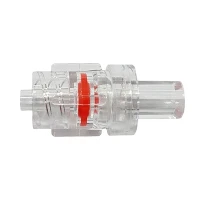
First off, let's understand what infusion components are. They're the bits and pieces that make up the whole infusion system, like the Precision Flow Regulator, Combi Stopper, and Infusion Spike. These things are super important for delivering medications, fluids, and nutrients directly into a patient's bloodstream. But just like any medical thing, they come with their own set of possible side effects.
One of the most common side effects is infection. When you're using infusion components, there's always a risk of introducing bacteria or other pathogens into the patient's body. This can happen if the components aren't properly sterilized before use. For example, if the Infusion Spike is contaminated, it can carry germs straight into the IV line and then into the patient. Once these bad guys get in, they can cause all sorts of problems, from mild skin infections around the insertion site to more serious bloodstream infections.
Another issue is allergic reactions. Some people might be allergic to the materials used in the infusion components. For instance, certain plastics or rubber used in the Combi Stopper could trigger an allergic response. Symptoms of an allergic reaction can range from a simple rash or itching to more severe reactions like difficulty breathing or swelling of the face and throat. It's crucial for healthcare providers to know a patient's allergy history before using any infusion components.
Blood clots are also a potential side effect. When an IV line is inserted, it can damage the blood vessels, which sometimes leads to the formation of blood clots. These clots can block the flow of blood through the IV line, making it difficult to deliver the necessary fluids or medications. In some cases, the clots can break loose and travel through the bloodstream, causing more serious problems like a stroke or a pulmonary embolism. The Precision Flow Regulator can play a role here too. If it's not set up correctly and the flow rate is too high or too low, it can affect the blood flow and increase the risk of clot formation.
Air embolism is another scary side effect. This happens when air gets into the IV line and then into the patient's bloodstream. A small amount of air might not cause much harm, but a large air bubble can block a blood vessel and stop the blood flow. This can be fatal if it happens in a major blood vessel. It can occur if the IV system isn't properly primed or if there's a leak in the Infusion Spike or other components.
Now, let's talk about phlebitis. This is the inflammation of a vein, which can be caused by the presence of the IV line or the infusion components. It can make the vein red, swollen, and painful. Sometimes, it can even lead to the formation of a blood clot in the affected vein. The type of fluid being infused and the duration of the infusion can also contribute to the development of phlebitis. For example, if a patient is receiving a very acidic or alkaline solution through the IV, it can irritate the vein walls and increase the risk of phlebitis.
As a supplier of infusion components, we're always aware of these potential side effects. That's why we take every possible step to ensure the quality and safety of our products. We use high - quality materials that are less likely to cause allergic reactions. Our manufacturing processes are designed to minimize the risk of contamination, and we have strict quality control measures in place.
But it's not just on us. Healthcare providers also play a huge role in preventing these side effects. They need to follow proper procedures for inserting and maintaining the IV lines, as well as for handling and using the infusion components. They should regularly check the insertion site for signs of infection, allergic reactions, or other problems. And they need to be trained to recognize the symptoms of potential side effects and know how to respond quickly.


If you're in the market for high - quality infusion components, we're here to help. We understand the importance of safety and reliability in the medical field. Our Precision Flow Regulator, Combi Stopper, and Infusion Spike are designed to meet the highest standards. We're always open to having a chat about your specific needs and how our products can fit into your healthcare setting. So, if you're interested in learning more or starting a procurement discussion, don't hesitate to reach out.
References
- "Medical Device - Associated Infections: A Global Challenge" - World Health Organization
- "Allergic Reactions to Medical Devices" - Journal of Allergy and Clinical Immunology
- "Complications of Intravenous Therapy" - American Journal of Nursing