




In the ever - evolving landscape of the medical industry, staying abreast of the latest trends in medical components is crucial for medical device manufacturers, healthcare providers, and suppliers like us. As a leading medical components supplier, we've witnessed firsthand how technological advancements, regulatory changes, and shifting market demands are shaping the future of medical components. In this blog post, we'll explore some of the most significant trends that are currently influencing the industry.
1. Miniaturization and Microfabrication
One of the most prominent trends in medical components is the push towards miniaturization. Smaller components allow for the development of less invasive medical devices, which can reduce patient discomfort, shorten recovery times, and improve overall treatment outcomes. Microfabrication techniques, such as photolithography and micromachining, have enabled the production of components with extremely small dimensions and high precision.
For example, in the field of minimally invasive surgery, miniature cameras and sensors are being integrated into catheters and endoscopes. These tiny devices can provide high - resolution images of the internal organs, allowing surgeons to perform complex procedures with greater accuracy. In addition, miniaturized drug delivery systems are being developed to target specific cells or tissues, increasing the effectiveness of medications while minimizing side effects.
As a supplier, we are investing in advanced manufacturing technologies to meet the growing demand for miniaturized components. Our state - of - the - art facilities are equipped with the latest microfabrication equipment, enabling us to produce components with micron - level precision.
2. Biocompatibility and Biomaterials
Biocompatibility is a critical factor in the design and development of medical components. Components that are in contact with the human body must be able to function without causing adverse reactions, such as inflammation or immune responses. In recent years, there has been a growing interest in the use of biomaterials, which are materials derived from biological sources or designed to mimic biological structures.
Examples of biomaterials include biodegradable polymers, which can be used in sutures and drug delivery systems, and bioceramics, which are commonly used in orthopedic implants. These materials offer several advantages over traditional materials, such as metals and plastics. They can be tailored to have specific mechanical and biological properties, and they often have better tissue integration capabilities.
We understand the importance of biocompatibility in medical components, and we offer a wide range of biomaterial - based products. Our team of experts works closely with customers to select the most appropriate biomaterials for their specific applications, ensuring the safety and effectiveness of the final medical devices.
3. Smart and Connected Components
The rise of the Internet of Things (IoT) has had a profound impact on the medical industry, and medical components are no exception. Smart and connected components are being developed to collect and transmit data, enabling real - time monitoring of patients' health conditions.
For instance, wearable medical devices, such as smartwatches and fitness trackers, are now capable of monitoring vital signs, such as heart rate, blood pressure, and sleep patterns. Implantable devices, like cardiac pacemakers and insulin pumps, can also be connected to a network, allowing healthcare providers to remotely monitor the device's performance and adjust treatment parameters as needed.
As a supplier, we are actively involved in the development of smart medical components. We offer a variety of sensors and communication modules that can be integrated into medical devices to enable connectivity. Our products are designed to be reliable, secure, and compliant with the latest industry standards.
4. 3D Printing and Additive Manufacturing
3D printing, also known as additive manufacturing, has emerged as a revolutionary technology in the medical field. This technology allows for the creation of complex, customized medical components with a high degree of precision and flexibility.
In orthopedics, 3D printing is being used to produce patient - specific implants, such as hip and knee replacements. These implants can be designed to perfectly match the patient's anatomy, improving the fit and function of the device. In addition, 3D printing is being used to create anatomical models for surgical planning, allowing surgeons to practice complex procedures before operating on the patient.
We have embraced 3D printing technology in our manufacturing processes. Our 3D printers can produce a wide range of medical components, from simple prototypes to fully functional end - use parts. This technology enables us to reduce production time and costs, while also offering greater design freedom to our customers.
5. Sustainability
Sustainability is becoming an increasingly important consideration in the medical industry. With the growing concern about environmental impact, there is a push towards the development of more sustainable medical components.
This includes the use of recyclable materials, the reduction of waste during the manufacturing process, and the design of products that have a longer lifespan. For example, some medical device manufacturers are exploring the use of biodegradable plastics in their products, which can reduce the amount of plastic waste in landfills.
As a responsible supplier, we are committed to sustainability. We are constantly looking for ways to reduce our environmental footprint, such as by optimizing our manufacturing processes and using more eco - friendly materials.
Specific Product Trends
In addition to the overarching trends mentioned above, there are also some specific product - related trends in the medical components market.
Heparin Caps
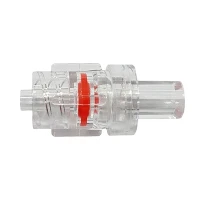
Heparin caps are an essential component in intravenous (IV) therapy. They are used to prevent blood clotting in the IV catheter and maintain the patency of the catheter. The latest trend in heparin caps is the development of more advanced designs that offer better protection against infection.
These new - generation heparin caps are often made with antimicrobial materials and have improved sealing mechanisms. They can significantly reduce the risk of catheter - related bloodstream infections, which are a major concern in healthcare settings. To learn more about our Heparin Caps, please visit our website.


Clamps
Clamps are used in a variety of medical applications, such as in surgical procedures and blood transfusions. The trend in clamps is towards the development of more ergonomic and user - friendly designs.
Modern clamps are often made with lightweight materials and have features that make them easier to handle and operate. They also offer better clamping force and precision, which is crucial for ensuring the safety and effectiveness of medical procedures. If you're interested in our Clamps, feel free to check out our product page.
Conclusion
The medical components industry is experiencing rapid change, driven by technological advancements, regulatory requirements, and market demands. As a medical components supplier, we are committed to staying at the forefront of these trends. We continuously invest in research and development to offer our customers the latest and most innovative products.
If you're a medical device manufacturer or a healthcare provider looking for high - quality medical components, we'd love to hear from you. Our team of experts can provide you with personalized solutions and support to meet your specific needs. Whether you're interested in miniaturized components, biomaterial - based products, smart and connected devices, or sustainable solutions, we have the expertise and resources to help you succeed. Contact us today to start a discussion about your procurement requirements.
References
- "Medical Device Miniaturization: Technologies and Applications" by various authors, published in a leading medical engineering journal.
- "Biomaterials in Medicine: Principles and Practice" by a well - known biomaterials researcher.
- "The Internet of Medical Things: Connecting Healthcare Devices for a Smarter Future" from a technology research firm.
- "3D Printing in Healthcare: From Prototyping to Personalized Medicine" by experts in the field of additive manufacturing.
- "Sustainable Practices in the Medical Device Industry" from an environmental research organization.