


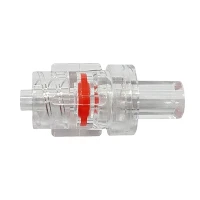


As a check valve supplier, I've seen my fair share of issues related to these crucial components. Check valves are simple yet essential devices used in a wide range of industries, including plumbing, automotive, and medical. Their main job is to allow fluid to flow in one direction only, preventing backflow. But like any mechanical device, they're not without their problems. Let's take a closer look at some of the common problems we often come across.
Leakage
One of the most frequent issues with check valves is leakage. There could be multiple reasons behind this. Firstly, wear and tear play a significant role. Over time, the sealing surfaces of the valve can get damaged. For instance, in a water - based system, the constant flow of water can cause erosion of the rubber or plastic seals. If these seals are no longer intact, water can leak past the valve when it's supposed to be closed.
Another cause might be improper installation. Sometimes, the valve isn't tightened properly onto the pipe, creating gaps where fluid can escape. In industrial settings, if the bolts holding the valve in place aren't torqued to the correct specifications, minor leaks can develop. These leaks might start as drips, but if left unattended, they can turn into significant losses, especially in large - scale systems.
Sticking
Check valves are designed to open and close smoothly. However, sticking is a common problem that can disrupt the normal functioning of the valve. Deposits are one of the main culprits. In a pipeline carrying dirty water or any fluid with suspended solids, these particles can accumulate inside the valve. For example, in a sewage system, sediments can build up around the valve's moving parts. This build - up restricts the movement of the valve, causing it to stick either in the open or closed position.
Corrosion can also lead to sticking. In environments with high humidity or corrosive chemicals, the metal parts of the check valve can corrode. The rust or corrosion can make the valve's components bind together, preventing them from moving freely. When a check valve sticks open, it won't prevent backflow, and when it sticks closed, it can block the forward flow of fluid, causing all sorts of operational problems.
Noise and Vibration
Excessive noise and vibration are not just annoying; they can also indicate underlying problems with the check valve. One major cause of this is water hammer. When the flow of fluid in a pipeline suddenly stops, a pressure wave is created. This pressure wave can cause the valve to slam shut rapidly, leading to a loud banging noise and significant vibration. If you've ever heard a loud thud in your plumbing when you turn off a faucet quickly, that's likely water hammer at work.
Incorrect valve sizing can also contribute to noise and vibration. If a check valve is too large or too small for the pipeline it's installed in, the flow of fluid through the valve will be turbulent. This turbulent flow can cause the valve to vibrate and generate noise. For instance, if a large valve is used in a small - diameter pipe, the fluid will have to adjust to a much larger space within the valve, creating disturbances in the flow.
Failure to Open or Close Completely
Sometimes, a check valve may not open or close fully. Improper pressure differentials are a prime reason for this issue. Check valves rely on a certain pressure difference between the inlet and the outlet to operate correctly. If the pressure isn't sufficient, the valve might not open wide enough to allow proper fluid flow. For example, in a low - pressure gas system, the valve may remain partially closed, reducing the volume of gas that can pass through.
On the other hand, if the pressure is too high, it can force the valve to remain open even when backflow is imminent or prevent it from closing completely. In industrial hydraulic systems, extremely high pressures can overpower the valve's internal mechanisms, causing malfunctions. In addition, mechanical damage to the valve's internal parts, such as a broken spring in a spring - loaded check valve, can also prevent it from opening or closing properly.
Cavitation
Cavitation is a phenomenon that occurs when the pressure of a fluid drops below its vapor pressure, causing vapor bubbles to form. These bubbles then collapse when they reach a region of higher pressure, generating shockwaves. In check valves, cavitation can cause severe damage. The shockwaves created by the collapsing bubbles can erode the internal surfaces of the valve. This can lead to pitting and roughening of the valve's components, affecting its performance and lifespan.
Cavitation often happens in systems where there are sudden changes in fluid pressure or flow velocity. For example, in a high - speed pumping system, if the flow rate changes rapidly, it can cause local pressure drops, triggering cavitation in the check valve. The erosion caused by cavitation can be so severe that it may eventually lead to the complete failure of the valve.


Solutions to These Common Problems
Now that we've identified the common problems, it's important to talk about how to address them. Regular maintenance is key. Inspecting the valves periodically can help detect early signs of wear, corrosion, or deposits. During maintenance, the valve can be cleaned and the seals replaced if necessary. This simple step can significantly extend the life of the valve and prevent major issues from occurring.
When it comes to installation, following the manufacturer's guidelines is crucial. Ensuring that the valve is properly sized for the pipeline and correctly tightened can prevent many problems, including leakage and noise. In addition, using high - quality valves from a trusted supplier like us can also reduce the likelihood of problems.
For issues related to pressure differentials, it may be necessary to install pressure regulating devices in the system. These devices can keep the pressure within the optimal range for the check valve to operate correctly. Anti - cavitation measures, such as using valve designs that minimize pressure drops or installing diffusers in the pipeline, can also help prevent cavitation damage.
Our Range of Check Valves
As a check valve supplier, we offer a wide range of high - quality check valves to meet different industry needs. Our Dual Check Valve is a great option for applications where an extra level of protection against backflow is required. It features two independent check mechanisms, providing enhanced reliability.
For medical and low - flow applications, our Luer Check Valve is a popular choice. It's designed to fit Luer connectors, ensuring a secure and leak - free connection. Our valves are made from high - quality materials, and we subject them to rigorous quality control tests to ensure they meet the highest standards.
If you're experiencing any problems with check valves in your system or are looking for reliable check valve solutions, don't hesitate to reach out. We're here to help you find the right valve for your needs and provide support throughout the installation and maintenance process. Contact us today to start a procurement discussion and see how we can improve your system's performance.
References
- "Valve Handbook" by Netter Valve.
- "Fluid Mechanics and Thermodynamics of Turbomachinery" by S. L. Dixon.
- Industry standards and guidelines related to check valve installation and maintenance.