


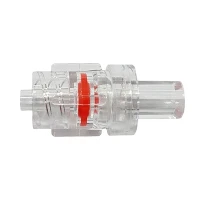


Infusion pumps are critical medical devices used to deliver fluids, medications, and nutrients into a patient's body in a controlled manner. IV tubing, an essential component of the infusion system, can sometimes encounter problems that may disrupt the infusion process. As an IV tubing supplier, I understand the importance of troubleshooting these issues promptly and effectively to ensure patient safety and the proper functioning of the infusion pump. In this blog post, I will share some common problems with IV tubing in an infusion pump and provide practical solutions to address them.
Air Bubbles in the IV Tubing
One of the most common issues with IV tubing is the presence of air bubbles. Air bubbles can cause inaccurate fluid delivery, occlusions, and even air embolisms, which can be life - threatening. There are several reasons why air bubbles may enter the IV tubing, such as improper priming, loose connections, or a depleted fluid bag.
Troubleshooting Steps
- Proper Priming: Ensure that the IV tubing is primed correctly before use. This involves filling the tubing with the fluid to be infused, expelling all air bubbles. Start by closing the roller clamp on the IV tubing. Then, spike the fluid bag and hang it on the IV pole. Open the roller clamp slightly to allow the fluid to flow through the tubing, gently tapping the tubing to encourage air bubbles to rise to the drip chamber. Once the tubing is filled and free of air bubbles, close the roller clamp.
- Check Connections: Inspect all connections in the IV tubing system, including the connection between the tubing and the fluid bag, the tubing and the infusion pump, and any additional connectors. Tighten any loose connections to prevent air from entering the system.
- Remove Air Bubbles: If air bubbles are present in the IV tubing during the infusion, you can try to remove them by gently tapping the tubing to move the bubbles towards the drip chamber. If the bubbles are in the small - bore tubing near the patient, some infusion pumps have a "purge" or "air removal" function that can be used to expel the air.
Occlusions in the IV Tubing
An occlusion in the IV tubing can prevent the proper flow of fluid from the bag to the patient. Occlusions can be caused by kinks in the tubing, clots in the catheter, or a blocked filter.
Troubleshooting Steps
- Inspect the Tubing: Check the entire length of the IV tubing for kinks. Straighten any kinked sections of the tubing to restore the flow of fluid. Make sure that the tubing is not pinched or compressed by the patient's body or other objects.
- Check the Catheter: If the occlusion is suspected to be in the catheter, check for signs of swelling, redness, or pain at the insertion site. In some cases, a clot may have formed in the catheter, which can be resolved by flushing the catheter with a saline solution according to the hospital's protocol.
- Replace the Filter: If the IV tubing has a filter, and it is suspected to be blocked, replace the filter with a new one. Make sure to follow proper aseptic technique when replacing the filter to prevent infection.
Leaks in the IV Tubing
Leaks in the IV tubing can lead to fluid loss, inaccurate infusion rates, and potential contamination. Leaks can occur at the connections, along the length of the tubing, or at the site where the tubing is attached to the catheter.
Troubleshooting Steps
- Inspect Connections: Similar to the case of air bubbles, check all connections in the IV tubing system for leaks. Look for signs of fluid dripping or pooling around the connections. If a leak is detected at a connection, tighten the connection or replace the connector if necessary.
- Check the Tubing: Examine the entire length of the IV tubing for any holes or cracks. If a leak is found in the tubing, replace the entire IV tubing set to ensure the integrity of the infusion system.
- Secure the Catheter Connection: Ensure that the connection between the IV tubing and the catheter is secure. If the connection is loose, it can cause leaks. Some catheters have a locking mechanism that should be properly engaged to prevent leaks.
Incorrect Flow Rate
An incorrect flow rate can occur due to a variety of reasons, such as a malfunctioning infusion pump, an occlusion in the tubing, or an improperly set pump.


Troubleshooting Steps
- Check the Infusion Pump: Verify that the infusion pump is functioning correctly. Check the pump's display for any error messages or warnings. If the pump is malfunctioning, follow the manufacturer's instructions for troubleshooting or contact the biomedical engineering department for assistance.
- Inspect the Tubing: As mentioned earlier, check the IV tubing for occlusions or kinks that may be affecting the flow rate. A blocked or kinked tubing can cause the flow rate to be lower than the set rate.
- Verify the Pump Settings: Double - check the settings on the infusion pump to ensure that the correct flow rate has been entered. Make sure that the volume to be infused and the time settings are accurate.
Compatibility Issues
Sometimes, problems can arise due to compatibility issues between the IV tubing and the infusion pump or the medications being infused.
Troubleshooting Steps
- Check Tubing Compatibility: Ensure that the IV tubing is compatible with the infusion pump being used. Different infusion pumps may have specific requirements for the type of IV tubing that can be used. Refer to the pump's user manual or the tubing manufacturer's guidelines for compatibility information.
- Medication Compatibility: Some medications may react with the materials in the IV tubing, causing precipitation or degradation of the medication. Check the medication's package insert or consult a pharmacist to ensure that the medication is compatible with the IV tubing material. If compatibility issues are suspected, consider using a different type of IV tubing.
Additional Resources
As an IV tubing supplier, we offer a wide range of high - quality IV tubing products to meet your needs. Our IV Extension Tube provides additional length for greater flexibility during infusion. The CT Contrast Tubing is specifically designed for use with CT contrast agents, ensuring accurate and safe delivery. And our IV Coiled Extension Tube offers a convenient solution for situations where extra length is required without the risk of tangling.
If you are experiencing problems with IV tubing in your infusion pumps or are interested in learning more about our products, we encourage you to contact us for a procurement discussion. Our team of experts is ready to assist you in finding the best IV tubing solutions for your healthcare facility.
References
- "Infusion Therapy Principles and Practice" by Lynn Hadaway
- Manufacturer's user manuals for infusion pumps and IV tubing products
- Hospital policies and procedures related to IV therapy