


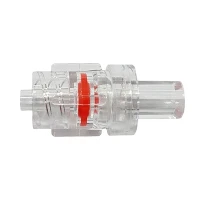


When embarking on a project that requires the use of rotating luer connectors, the process of selecting the appropriate ones is crucial. As a supplier of Rotating Luer Connectors, I understand the significance of making the right choice. In this blog, I will share some key factors to consider when selecting rotating luer connectors for a specific project.
Compatibility with the System
The first and foremost factor to consider is the compatibility of the rotating luer connectors with the overall system. This includes compatibility with other components such as syringes, needles, and tubing. The connectors should fit snugly and securely with the other parts of the system to ensure a leak - free connection. For example, if you are working on a medical device that uses a specific type of syringe, you need to make sure that the rotating luer connector can be easily attached to it. There are two main types of luer connectors: Female Luer Lock Connector and Male Luer Lock Connector. You need to determine which type is required based on the design of the system.
Material and Quality
The material of the rotating luer connectors plays a vital role in their performance and durability. Different materials have different properties, and you need to choose the one that suits your project requirements. Common materials used for luer connectors include plastic and metal. Plastic connectors are lightweight, cost - effective, and often disposable. They are suitable for applications where sterility is a concern, such as in single - use medical devices. Metal connectors, on the other hand, are more robust and can withstand higher pressures. They are often used in industrial or high - performance applications.
In addition to the material, the quality of the manufacturing process is also important. High - quality connectors will have precise dimensions, smooth surfaces, and reliable locking mechanisms. Poorly made connectors may lead to leaks, breakages, or difficulties in connecting and disconnecting. Look for connectors that are manufactured to industry standards and have been tested for quality and performance.
Flow Rate Requirements
The flow rate requirements of your project are another important consideration. Different rotating luer connectors have different internal diameters, which can affect the flow of fluids or gases through the system. If your project requires a high flow rate, you need to choose connectors with a larger internal diameter. However, a larger diameter may also increase the risk of leakage, so you need to balance the flow rate requirements with the need for a secure connection.


For example, in a medical application where a large volume of fluid needs to be delivered quickly, such as in intravenous therapy, a connector with a relatively large internal diameter may be required. On the other hand, in a precision - dosing application, a connector with a smaller diameter may be more appropriate to ensure accurate control of the flow.
Pressure Resistance
The pressure resistance of the rotating luer connectors is crucial, especially in applications where high pressures are involved. If the connectors cannot withstand the pressure of the system, they may fail, leading to leaks or even dangerous situations. You need to determine the maximum pressure that the connectors will be exposed to in your project and choose connectors that can handle that pressure.
In industrial applications, such as hydraulic systems, the pressure can be extremely high. In these cases, metal rotating luer connectors with high - strength construction are usually required. In medical applications, while the pressures are generally lower, connectors still need to be able to withstand the normal operating pressures without leaking.
Sterility and Cleanliness
In many applications, especially in the medical and pharmaceutical industries, sterility and cleanliness are of utmost importance. If the rotating luer connectors are used in a sterile environment, they need to be either pre - sterilized or capable of being sterilized. Common sterilization methods include autoclaving, gamma irradiation, and ethylene oxide sterilization.
When choosing connectors for sterile applications, make sure that the material and design of the connectors are compatible with the chosen sterilization method. For example, some plastics may degrade under high - temperature autoclaving, so they may not be suitable for this type of sterilization.
Ease of Use
The ease of use of the rotating luer connectors is also an important factor. Connectors that are easy to connect and disconnect can save time and effort during the assembly and disassembly of the system. Look for connectors with a user - friendly design, such as smooth - turning locking mechanisms and clear markings for proper alignment.
In a busy medical setting, for example, healthcare providers need to be able to quickly and easily connect and disconnect syringes and other devices. A connector that is difficult to use may lead to delays in treatment or even errors in the connection process.
Cost
Cost is always a consideration in any project. While you want to choose high - quality rotating luer connectors, you also need to balance the cost with the performance and requirements of your project. Plastic connectors are generally less expensive than metal connectors, so if your project does not require the high - strength and durability of metal connectors, plastic ones may be a more cost - effective option.
However, it is important not to sacrifice quality for cost. A cheap, low - quality connector may end up costing more in the long run due to the need for frequent replacements or the risk of system failures.
Regulatory Compliance
In many industries, especially in the medical field, rotating luer connectors need to comply with relevant regulations and standards. These regulations ensure the safety and performance of the connectors. For example, in the United States, medical devices, including luer connectors, are regulated by the Food and Drug Administration (FDA).
Make sure that the connectors you choose comply with all the necessary regulations and standards for your industry and application. This may involve checking for certifications such as ISO 80369 (a series of standards for small - bore connectors for liquids and gases in healthcare applications).
Customization Options
Depending on the specific requirements of your project, you may need customized rotating luer connectors. Some suppliers offer customization services, allowing you to modify the design, material, or dimensions of the connectors to meet your unique needs.
For example, if your project has a non - standard size or shape requirement, a customized connector may be the solution. Customization can also include adding special features such as markings, colors, or additional ports.
In conclusion, selecting the appropriate rotating luer connectors for a specific project requires careful consideration of multiple factors. Compatibility, material, flow rate, pressure resistance, sterility, ease of use, cost, regulatory compliance, and customization options all need to be taken into account. As a supplier of rotating luer connectors, we are committed to providing high - quality products that meet the diverse needs of our customers. If you are in the process of selecting rotating luer connectors for your project, we would be more than happy to assist you. Feel free to reach out to us to discuss your requirements and start a procurement negotiation.
References
- ISO 80369 series standards for small - bore connectors for liquids and gases in healthcare applications.
- Medical device regulations from relevant regulatory authorities such as the FDA.