


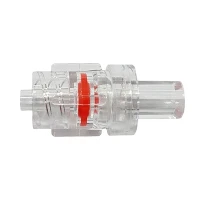


Hey there! As a supplier of luer lock connectors, I've seen firsthand how crucial it is to seal these connectors properly. Whether you're in the medical field, laboratory work, or any other industry that uses luer lock connectors, getting the sealing right can make all the difference. In this blog post, I'm gonna share some tips on how to seal a luer lock connector effectively.
First off, let's talk a bit about what luer lock connectors are. They're a type of connector commonly used to join two parts of a fluid - handling system. There are two main types: Female Luer Lock Connector and Male Luer Lock Connector. The female connector has internal threads, while the male one has external threads. When you screw them together, they form a tight connection that's designed to prevent leaks. There are also Rotating Luer Connectors, which offer more flexibility in terms of positioning.
Pre - sealing Preparation
Before you start the sealing process, it's important to do a few things. First, inspect the connectors. Check for any signs of damage, like cracks, chips, or rough edges. If you find any, don't use those connectors. A damaged connector won't seal properly and can lead to leaks, which can be a big problem, especially in medical or scientific applications.
Next, clean the connectors. Use a suitable cleaning agent, depending on the type of fluid that will be flowing through the system. For medical applications, you might use a mild disinfectant. Make sure to remove any dirt, debris, or residue from the inside and outside of the connectors. This will ensure a better seal.
The Sealing Process
Now, let's get into the actual sealing process.


Step 1: Alignment
Take the male and female luer lock connectors. Hold them so that the tips are aligned properly. You want the male tip to fit smoothly into the female socket. If they're not aligned correctly, you might not be able to screw them together properly, and the seal won't be tight.
Step 2: Initial Connection
Gently insert the male tip into the female socket. You should feel a slight resistance as the two parts start to engage. Don't force it too hard at this stage. Just make sure that the male tip is fully inserted into the female socket.
Step 3: Screw Tightening
Once the male tip is inserted, start to screw the connectors together. Use your fingers to turn the locking nut on the female connector. You should turn it in a clockwise direction. As you turn, you'll feel the threads engaging and the connection getting tighter.
It's important not to over - tighten. Over - tightening can damage the threads or cause the connectors to deform. If the connectors are made of plastic, over - tightening can crack the plastic. A good rule of thumb is to stop turning when you feel a firm resistance. You don't need to use a lot of force. Just make sure the connection is snug.
Step 4: Check for Leaks
After you've tightened the connectors, it's time to check for leaks. You can do this by applying a small amount of pressure to the fluid system. If it's a medical syringe, you can push the plunger gently. If it's a laboratory setup, you can use a pump to apply pressure. Look for any signs of fluid leaking around the connection. If you see a leak, you might need to loosen the connectors slightly and then retighten them.
Using Sealing Aids
In some cases, you might want to use a sealing aid to ensure an even better seal. There are a few different types of sealing aids available.
Thread Sealants
Thread sealants are substances that you apply to the threads of the connectors before you screw them together. They can fill in any small gaps between the threads and prevent fluid from leaking out. There are different types of thread sealants, like PTFE tape or liquid sealants.
PTFE tape is a popular choice. It's easy to use. You just wrap the tape around the male threads a few times. Make sure to wrap it in the same direction as the threads. Then, when you screw the connectors together, the tape will create a tight seal.
Liquid sealants work in a similar way. You apply the liquid to the threads, and it dries to form a seal. They can be a good option if you need a more permanent seal.
O - rings
O - rings are another type of sealing aid. They're circular rubber or plastic rings that you place in a groove on the male or female connector. When the connectors are screwed together, the O - ring gets compressed, creating a tight seal. O - rings are great for applications where you need a high - pressure seal.
Troubleshooting
Sometimes, you might run into problems when trying to seal a luer lock connector. Here are some common issues and how to fix them.
Leaks
If you have a leak, the first thing to do is check the tightness of the connection. Loosen the connectors slightly and then retighten them. Make sure you're not over - tightening or under - tightening. If the leak persists, check for damage to the connectors. You might need to replace them.
Difficulty in Screw - Tightening
If you're having trouble screwing the connectors together, it could be because they're not aligned properly. Try realigning them. Also, check for any debris or dirt on the threads. Clean the threads and try again.
Maintenance and Long - term Sealing
Once you've sealed the luer lock connector, it's important to maintain the seal over time. If the connectors are going to be used repeatedly, make sure to clean them after each use. This will prevent the build - up of dirt and residue, which can affect the seal.
Store the connectors in a clean, dry place. If they're exposed to moisture or extreme temperatures, it can damage the connectors and affect the seal.
Conclusion
Sealing a luer lock connector is not as complicated as it might seem. By following these steps, you can ensure a tight, leak - free seal. Remember to inspect and clean the connectors before use, align them properly, and screw them together with the right amount of force. If needed, use sealing aids like thread sealants or O - rings. And don't forget to troubleshoot any problems that might come up.
If you're in the market for high - quality luer lock connectors, we're here to help. We offer a wide range of Female Luer Lock Connector, Male Luer Lock Connector, and Rotating Luer Connectors. Our connectors are made from high - quality materials and are designed to provide a reliable seal. If you're interested in learning more or making a purchase, feel free to reach out to us for a procurement discussion.
References
- ASTM F543 - Standard Specification for Plastic Medical Luer Fittings
- ISO 594 - Conical fittings with a 6% (Luer) taper for syringes, needles and certain other medical equipment