


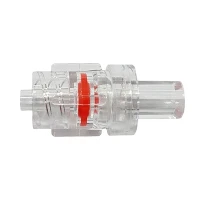


Maintaining a stopcock is crucial for ensuring its proper functionality and longevity, especially in medical and industrial applications. As a stopcock supplier, I understand the importance of providing customers with the knowledge and guidance on how to maintain these essential components. In this blog post, I will share some valuable tips and best practices on how to maintain a stopcock effectively.
Understanding the Stopcock
Before delving into maintenance procedures, it's essential to have a basic understanding of what a stopcock is and how it works. A stopcock is a valve used to control the flow of fluid or gas through a tube or pipe. It typically consists of a handle, a plug, and a body with one or more ports. By rotating the handle, the plug can be positioned to open or close the ports, allowing or blocking the flow of the medium.
There are various types of stopcocks available, including 3 Way Stopcock, which have three ports and are commonly used in medical settings for fluid administration, sampling, and drainage.
Regular Inspection
Regular inspection is the first step in maintaining a stopcock. Inspect the stopcock visually for any signs of damage, such as cracks, chips, or leaks. Check the handle for smooth operation and ensure that it rotates freely without any resistance. Also, examine the ports for blockages or debris that may impede the flow of fluid or gas.
If you notice any damage or irregularities during the inspection, it's important to address them immediately. Replace any damaged parts or the entire stopcock if necessary to prevent further issues and ensure safe and efficient operation.
Cleaning
Proper cleaning is essential for maintaining the hygiene and functionality of a stopcock. Depending on the application, the cleaning method may vary. In medical settings, stopcocks are often used in contact with bodily fluids, so they require thorough cleaning and disinfection to prevent the spread of infections.


- Disassembly: If the stopcock is designed to be disassembled, carefully take it apart according to the manufacturer's instructions. This will allow you to clean each component thoroughly.
- Washing: Use a mild detergent and warm water to wash the stopcock components. Gently scrub the parts with a soft brush to remove any dirt, debris, or residue. Rinse the components thoroughly with clean water to remove all traces of detergent.
- Disinfection: After washing, disinfect the stopcock components using an appropriate disinfectant solution. Follow the manufacturer's instructions for the correct concentration and contact time of the disinfectant. Common disinfectants used in medical settings include alcohol, hydrogen peroxide, and glutaraldehyde.
- Drying: Allow the stopcock components to air dry completely before reassembling them. Make sure there is no moisture left inside the stopcock, as this can lead to the growth of bacteria and fungi.
In industrial applications, stopcocks may not require such rigorous cleaning procedures. However, it's still important to keep them clean and free from dirt and debris. Use a clean cloth or a non - abrasive cleaner to wipe the stopcock regularly.
Lubrication
Lubrication is an important part of stopcock maintenance, especially for those with moving parts. Proper lubrication reduces friction, ensures smooth operation, and extends the lifespan of the stopcock.
- Choose the Right Lubricant: Select a lubricant that is compatible with the materials of the stopcock and the medium it will be in contact with. In medical applications, use a medical - grade lubricant that is non - toxic and does not contaminate the fluid.
- Apply the Lubricant: Apply a small amount of lubricant to the moving parts of the stopcock, such as the handle and the plug. Be careful not to over - lubricate, as this can attract dirt and debris and cause blockages.
Storage
Proper storage is also crucial for maintaining the quality of a stopcock. When not in use, store the stopcock in a clean, dry, and cool place. Protect it from direct sunlight, heat, and humidity, as these can damage the materials and affect its performance.
If possible, store the stopcock in its original packaging or a protective case to prevent it from being damaged or contaminated. Label the storage container with the type and specifications of the stopcock for easy identification.
Training and Education
As a stopcock supplier, it's important to provide training and education to your customers on how to maintain their stopcocks properly. Offer product manuals, online resources, and in - person training sessions to ensure that your customers have the knowledge and skills to take care of their stopcocks.
Encourage your customers to follow the manufacturer's instructions for maintenance and use. Provide them with contact information for technical support in case they have any questions or need further assistance.
Conclusion
Maintaining a stopcock is a simple yet important task that can significantly extend its lifespan and ensure its proper functionality. By following the tips and best practices outlined in this blog post, you can keep your stopcocks in good condition and avoid costly repairs and replacements.
As a trusted stopcock supplier, we are committed to providing high - quality products and excellent customer service. If you have any questions about stopcock maintenance or are interested in purchasing our stopcocks, please feel free to contact us. We look forward to working with you to meet your stopcock needs.
References
- Manufacturer's product manuals for stopcocks
- Medical device maintenance guidelines and standards
- Industry best practices for valve maintenance