


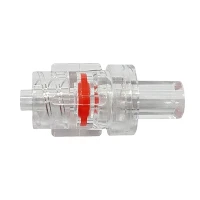
As a supplier of Female Luer Lock Connectors, I understand the importance of proper maintenance for these essential medical components. In this blog post, I'll share some valuable insights on how to maintain a Female Luer Lock Connector to ensure its optimal performance and longevity.
Understanding the Female Luer Lock Connector
Before delving into maintenance, it's crucial to have a clear understanding of what a Female Luer Lock Connector is. A Female Luer Lock Connector is a standardized medical connector designed to provide a secure and leak - free connection between medical devices. It features a threaded outer sleeve that allows it to be securely attached to a Male Luer Lock Connector. These connectors are widely used in various medical applications, such as intravenous (IV) therapy, syringe connections, and fluid transfer systems.
Regular Inspection
Regular inspection is the first step in maintaining a Female Luer Lock Connector. Inspect the connector visually on a regular basis. Look for any signs of damage, such as cracks, chips, or deformities in the plastic body. Pay close attention to the threads on the outer sleeve. If the threads are stripped or damaged, the connector may not form a proper seal when attached to a male luer.
Check the inner bore of the connector for any blockages or debris. Blockages can impede the flow of fluids and compromise the functionality of the connector. Use a magnifying glass if necessary to detect small particles or signs of wear.
Cleaning Procedures
Proper cleaning is essential to prevent the buildup of contaminants and ensure the sterility of the Female Luer Lock Connector.
Manual Cleaning
For routine cleaning, start by disconnecting the connector from any attached devices. Rinse the connector thoroughly with a suitable cleaning solution. A mild detergent or a specialized medical device cleaning solution can be used. Use a soft - bristle brush to gently scrub the outer surface and the inner bore of the connector to remove any stubborn dirt or debris.
After scrubbing, rinse the connector again with clean water to remove all traces of the cleaning solution. Make sure to dry the connector completely before reuse. You can use a lint - free cloth or allow it to air - dry in a clean environment.
Automated Cleaning
In some cases, automated cleaning systems can be used for more efficient and consistent cleaning. These systems are designed to clean multiple connectors simultaneously and can provide a high level of cleanliness. However, it's important to follow the manufacturer's instructions for using these systems to ensure proper cleaning and avoid damage to the connectors.
Sterilization
Sterilization is a critical step, especially when the Female Luer Lock Connector is used in invasive medical procedures. There are several methods of sterilization available, each with its own advantages and limitations.


Autoclaving
Autoclaving is a common method of sterilization that uses high - pressure steam to kill microorganisms. However, not all Female Luer Lock Connectors are suitable for autoclaving. Check the manufacturer's specifications to determine if the connector can withstand the high temperature and pressure of the autoclave. If autoclaving is recommended, follow the proper autoclaving cycle and ensure that the connectors are properly loaded in the autoclave to allow for adequate steam penetration.
Chemical Sterilization
Chemical sterilization involves using chemical agents to kill microorganisms. Common chemical sterilants include ethylene oxide (EtO) and hydrogen peroxide. These methods are often used for connectors that cannot withstand the high temperatures of autoclaving. However, chemical sterilization requires careful handling of the sterilants and proper ventilation to ensure the safety of the operators.
Storage
Proper storage is important to maintain the integrity of the Female Luer Lock Connector.
Clean and Dry Environment
Store the connectors in a clean, dry environment. Avoid storing them in areas with high humidity, as moisture can promote the growth of mold and bacteria. A storage cabinet or a sealed container can be used to protect the connectors from dust and other contaminants.
Separate Storage
Store the Female Luer Lock Connectors separately from other medical components to prevent damage. If possible, use individual compartments or trays to keep the connectors organized and prevent them from rubbing against each other, which could cause scratches or damage.
Handling Precautions
When handling Female Luer Lock Connectors, take the following precautions:
Avoid Rough Handling
Handle the connectors gently to prevent physical damage. Avoid dropping or hitting the connectors against hard surfaces. Rough handling can cause cracks or other forms of damage that may affect the performance of the connector.
Use Gloves
When handling the connectors, wear clean gloves to prevent the transfer of contaminants from your hands. This is especially important when the connectors are intended for use in sterile medical procedures.
Compatibility Checks
Before using a Female Luer Lock Connector, always check its compatibility with the male luer it will be attached to. Different manufacturers may have slight variations in the design and dimensions of their luer connectors. Using incompatible connectors can result in leaks or improper connections.
Refer to the product specifications and guidelines provided by the manufacturer to ensure that the female and male luer connectors are compatible. If in doubt, contact the manufacturer for clarification.
Training and Education
Proper training and education of the personnel who handle Female Luer Lock Connectors are crucial. Ensure that all users are familiar with the correct inspection, cleaning, sterilization, and handling procedures. Provide training sessions on a regular basis to keep the staff updated on the latest best practices.
Conclusion
Maintaining a Female Luer Lock Connector is a multi - step process that requires attention to detail and adherence to proper procedures. By following the guidelines outlined in this blog post, you can ensure the optimal performance, longevity, and sterility of these important medical components.
If you are in the market for high - quality Female Luer Lock Connectors or have any questions about their maintenance and use, we are here to help. Our company offers a wide range of Female Luer Lock Connectors and Rotating Luer Connectors that meet the highest industry standards. Contact us to discuss your specific requirements and start a procurement negotiation.
References
- "Medical Device Maintenance and Sterilization Guidelines", Medical Device Manufacturers Association
- "Luer Connector Standards and Best Practices", International Organization for Standardization (ISO)