


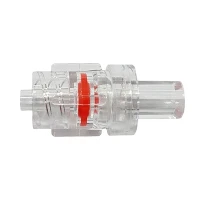


As a seasoned supplier of luer lock connectors, I understand the critical importance of ensuring the accuracy of luer lock connector connections. These connectors are widely used in the medical and pharmaceutical industries, where precision and reliability are non - negotiable. In this blog post, I'll share some key strategies and best practices to guarantee the accuracy of luer lock connector connections.
Understanding the Basics of Luer Lock Connectors
Before delving into the accuracy - ensuring techniques, it's essential to have a solid understanding of luer lock connectors. There are two main types: the Male Luer Lock Connector and the Female Luer Lock Connector. The male luer has a tapered tip, while the female luer has a corresponding tapered receptacle. The lock mechanism, typically a threaded collar on the female luer that screws onto threads on the male luer, provides a secure connection. Additionally, Rotating Luer Connectors offer added flexibility in orientation.
Selecting the Right Connector
The first step in ensuring connection accuracy is selecting the appropriate luer lock connector for the application. Consider factors such as the fluid or gas being transferred, the pressure requirements, and the compatibility with other components in the system. For example, if you're dealing with high - pressure applications, you need connectors that can withstand the force without leaking. Make sure to choose connectors made from high - quality materials that are resistant to chemical corrosion and mechanical stress.


Inspection Before Connection
Before making a connection, a thorough inspection of both the male and female luer connectors is crucial. Check for any visible damage such as cracks, scratches, or deformities. Even minor defects can compromise the integrity of the connection and lead to leaks. Inspect the threads on both parts to ensure they are clean and free of debris. Any foreign particles in the threads can prevent a proper lock and result in an inaccurate connection.
Proper Cleaning
Cleanliness is of utmost importance when it comes to luer lock connectors. Contaminants can not only affect the accuracy of the connection but also pose a risk to the safety of the entire system. Use appropriate cleaning agents to remove any dirt, dust, or residues from the connectors. For medical applications, follow strict sterilization procedures to prevent the spread of infections. After cleaning, make sure the connectors are completely dry before making the connection. Moisture can interfere with the sealing mechanism and cause leaks.
Correct Alignment
Proper alignment of the male and female luer connectors is essential for an accurate connection. Align the tapered tips and the receptacles precisely. Misalignment can lead to an uneven seal and increase the likelihood of leaks. When using rotating luer connectors, ensure that the rotation is smooth and that the connector is in the desired orientation before locking. Take your time to align the parts carefully, especially in complex systems where multiple connectors are involved.
Tightening the Connection
Once the connectors are aligned, it's time to tighten the connection. Use the appropriate amount of torque. Over - tightening can damage the threads and the sealing surface, while under - tightening can result in a loose connection and leaks. A torque wrench can be a useful tool to ensure consistent and accurate tightening. For most standard luer lock connectors, follow the manufacturer's recommended torque specifications.
Testing the Connection
After making the connection, perform a leak test to verify its accuracy. Depending on the application, this can involve applying pressure to the system and checking for any signs of leakage. For fluid - filled systems, look for drips or wet spots around the connection. In gas - filled systems, use a pressure gauge to monitor for any drop in pressure, which could indicate a leak. If a leak is detected, immediately disconnect the connectors, re - inspect them, and repeat the connection process.
Training and Education
Proper training of the personnel handling the luer lock connectors is vital. Ensure that all operators are familiar with the correct procedures for selecting, inspecting, cleaning, aligning, and tightening the connectors. Provide comprehensive training materials and hands - on demonstrations. Regularly update the training to keep up with the latest industry standards and best practices.
Quality Control in Production
As a luer lock connector supplier, we implement strict quality control measures in the production process. Our manufacturing facilities adhere to international standards and regulations. We use advanced manufacturing techniques and precision machining to ensure that each connector meets the highest quality requirements. Every batch of connectors undergoes rigorous testing to guarantee their performance and accuracy.
Maintenance and Monitoring
Even after a successful connection, regular maintenance and monitoring are necessary to ensure long - term accuracy. Periodically inspect the connectors for signs of wear and tear. Replace any connectors that show significant deterioration. Monitor the system for any changes in performance, such as pressure fluctuations or leaks. By staying vigilant, you can catch potential problems early and prevent costly failures.
Conclusion
Ensuring the accuracy of a luer lock connector connection is a multi - step process that requires careful attention to detail at every stage. From selecting the right connector to testing and maintenance, each step plays a crucial role in the overall performance of the system. As a trusted supplier of luer lock connectors, we are committed to providing high - quality products and offering expert advice to our customers.
If you're in the market for reliable luer lock connectors or need further guidance on ensuring connection accuracy, we're here to help. Contact us to start a procurement discussion and find the perfect solutions for your specific needs.
References
- ISO 594 - 1:1986. Conical fittings with a 6% (Luer) taper for syringes, needles and certain other medical equipment - Part 1: General requirements.
- ISO 594 - 2:1998. Conical fittings with a 6% (Luer) taper for syringes, needles and certain other medical equipment - Part 2: Lock fittings.
- ASTM F543 - 16. Standard Specification for Hypodermic Needles.