


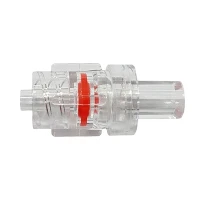


Hey there! I'm an IV tubing supplier, and I often get asked about the nitty - gritty of connecting IV tubing to a patient's IV catheter. It might sound like a simple task, but it's super important to get it right to ensure the patient's safety and the effectiveness of the treatment. So, let's dive into this process step by step.
Prepping the Gear
Before you even think about making that connection, you've gotta have the right stuff handy. There are different types of IV tubing out there to suit various needs. For instance, if you're dealing with a CT contrast injection, the CT Contrast Tubing is your go - to. It's designed to handle the specific requirements of contrast media delivery. And if you need a bit of flexibility in the setup, the IV Coiled Extension Tube can be really useful. It gives you some extra length while keeping things organized. Then there's the standard IV Extension Tube, which is a common choice for many general IV setups.
First off, check the IV tubing for any visible damage. Look for cracks, leaks, or any signs of the packaging being compromised. If you spot anything off, ditch that tubing and grab a new one. You don't want to use something that might cause issues during the infusion. Also, make sure the tubing is the right type for the medication or fluid you'll be administering.
Sanitizing Your Hands
This is a no - brainer, but it's so important. Wash your hands thoroughly with soap and water for at least 20 seconds. If soap and water aren't available, use an alcohol - based hand sanitizer that contains at least 60% alcohol. Rub it all over your hands, including between your fingers and under your nails, until they're dry. This helps prevent the transfer of germs from your hands to the patient and the IV equipment.
Gathering the Necessities
You'll need more than just the IV tubing. Grab a syringe filled with the appropriate flush solution (usually saline). This is used to clear the IV catheter before and after the infusion. Also, have some alcohol swabs on hand. These are used to clean the connection points, which is crucial in preventing infections.
Preparing the IV Tubing
Once you've got your hands clean and all your supplies ready, it's time to get the IV tubing set up. Start by removing the protective cap from the spike end of the tubing. The spike is the part that you'll insert into the IV fluid bag. Make sure you don't touch the spike with your hands to keep it clean.
Next, hang the IV fluid bag on an IV pole. It should be at a height that allows the fluid to flow freely. Then, insert the spike into the port on the IV fluid bag. Push it in firmly but gently until it's fully inserted. You'll hear a little "pop" sound, which means it's properly connected.
Now, prime the IV tubing. This means getting rid of any air bubbles in the tubing. Open the roller clamp on the tubing to let the fluid start flowing. Hold the drip chamber upright and squeeze it a few times to fill it about half - way. Then, let the fluid flow through the rest of the tubing until all the air bubbles are gone. Close the roller clamp once the tubing is primed.
Cleaning the IV Catheter Connection
Before connecting the IV tubing to the patient's IV catheter, you need to clean the connection point on the catheter. Grab an alcohol swab and scrub the hub of the IV catheter in a circular motion for at least 15 seconds. Let it air - dry completely. This step is really important because it helps kill any bacteria that might be on the surface and reduces the risk of infection.
Making the Connection
Once the hub of the IV catheter is dry, it's time to connect the IV tubing. Take the end of the primed IV tubing and remove the protective cap from it. Be careful not to touch the end with your hands. Align the end of the tubing with the hub of the IV catheter and insert it. Turn it gently but firmly to lock it in place. You'll feel it click if it's a luer - lock connection.
After making the connection, open the roller clamp on the IV tubing slowly to start the flow of the fluid. Monitor the flow rate to make sure it's at the prescribed rate. You can adjust the roller clamp if needed. Keep an eye on the tubing and the patient to make sure there are no signs of leaks or problems.
Securing the Connection
It's a good idea to secure the connection between the IV tubing and the IV catheter to prevent it from accidentally coming loose. You can use a piece of tape or a specialized IV tubing securement device. Make sure not to tape it too tightly, as this could restrict the flow of the fluid or cause discomfort to the patient.
Monitoring the Patient
Once the IV tubing is connected and the fluid is flowing, you need to keep an eye on the patient. Check for any signs of pain, swelling, or redness at the insertion site of the IV catheter. Also, watch the IV tubing for any kinks or blockages that could affect the flow of the fluid. If you notice any problems, act quickly to address them.


Flushing the IV Catheter
After the infusion is done, you'll need to flush the IV catheter. Attach the syringe filled with the flush solution to the hub of the IV catheter. Slowly inject the solution to clear the catheter of any remaining medication or fluid. This helps prevent clotting in the catheter and keeps it patent for future use.
Maintenance and Replacement
IV tubing needs to be changed regularly to prevent the growth of bacteria and other contaminants. The frequency of tubing changes depends on the type of fluid being infused and the hospital's or healthcare facility's policies. Usually, it's recommended to change the IV tubing every 72 - 96 hours.
Alright, so that's the whole process of connecting IV tubing to a patient's IV catheter. It might seem like a lot of steps, but with practice, you'll get the hang of it. And as an IV tubing supplier, I can tell you that having high - quality tubing is a huge part of ensuring a smooth and safe infusion process.
If you're in the market for top - notch IV tubing, whether it's the CT contrast tubing, the coiled extension tube, or the standard extension tube, I'd love to chat with you about your needs. We've got a wide range of products to meet different requirements, and I'm here to help you find the best fit for your healthcare facility. Reach out to me to start a conversation about your procurement needs.
References
- Infusion Nurses Society. (Year). Infusion Therapy Standards of Practice.
- Centers for Disease Control and Prevention (CDC). (Year). Guidelines for the Prevention of Intravascular Catheter - Related Infections.