


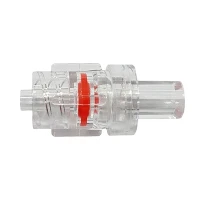


Disposing of used IV coiled extension tubes is a critical aspect of healthcare waste management that demands careful consideration and adherence to strict protocols. As a supplier of IV Coiled Extension Tube, I understand the importance of not only providing high-quality medical products but also ensuring that they are disposed of safely and responsibly. In this blog, I will delve into the various methods of disposing of used IV coiled extension tubes, the regulatory requirements surrounding their disposal, and the best practices to minimize environmental impact.
Understanding the Risks Associated with Used IV Coiled Extension Tubes
Before discussing the disposal methods, it is essential to understand the potential risks associated with used IV coiled extension tubes. These tubes come into direct contact with patients' blood and bodily fluids, which may contain infectious agents such as bacteria, viruses, and fungi. Improper disposal of these tubes can lead to the spread of infections, posing a significant threat to healthcare workers, patients, and the general public.
In addition to the biological risks, used IV coiled extension tubes may also contain hazardous chemicals, such as plasticizers and heavy metals. These chemicals can leach into the environment if the tubes are not disposed of properly, causing long-term damage to the ecosystem.
Regulatory Requirements for Disposal
The disposal of used IV coiled extension tubes is regulated by various local, national, and international laws and guidelines. In the United States, the Occupational Safety and Health Administration (OSHA) and the Environmental Protection Agency (EPA) have established strict regulations to ensure the safe handling and disposal of medical waste.
OSHA's Bloodborne Pathogens Standard requires healthcare facilities to implement a comprehensive exposure control plan to protect employees from occupational exposure to bloodborne pathogens. This plan must include procedures for the proper handling, storage, and disposal of used IV coiled extension tubes.
The EPA's Resource Conservation and Recovery Act (RCRA) regulates the management of hazardous waste, including medical waste. Healthcare facilities are required to identify and classify their medical waste according to its hazardous properties and dispose of it in accordance with the RCRA regulations.
In addition to these federal regulations, many states and local governments have their own laws and guidelines regarding the disposal of medical waste. It is essential for healthcare facilities to familiarize themselves with these regulations and ensure compliance to avoid potential legal and environmental consequences.
Disposal Methods
There are several methods available for disposing of used IV coiled extension tubes, each with its own advantages and disadvantages. The choice of disposal method depends on various factors, such as the volume of waste generated, the type of waste, and the availability of disposal facilities.
Incineration
Incineration is one of the most common methods of disposing of medical waste, including used IV coiled extension tubes. Incineration involves burning the waste at high temperatures, which destroys the infectious agents and reduces the volume of the waste.
The advantages of incineration include:
- Effective destruction of infectious agents: Incineration can effectively destroy all types of infectious agents, including bacteria, viruses, and fungi, ensuring that the waste is rendered safe.
- Volume reduction: Incineration reduces the volume of the waste by up to 90%, which can significantly reduce the amount of waste that needs to be landfilled.
- Energy recovery: Some incinerators are designed to recover energy from the burning process, which can be used to generate electricity or heat.
However, incineration also has some disadvantages, including:


- Air pollution: Incineration can release harmful pollutants, such as dioxins, furans, and heavy metals, into the air, which can have a negative impact on the environment and human health.
- High cost: Incineration is a relatively expensive method of waste disposal, requiring significant capital investment and ongoing operating costs.
- Regulatory requirements: Incineration is subject to strict regulatory requirements, including air emissions standards and waste management permits.
Autoclaving
Autoclaving is a process that uses steam under pressure to sterilize medical waste, including used IV coiled extension tubes. Autoclaving can effectively destroy most types of infectious agents, but it may not be suitable for all types of waste.
The advantages of autoclaving include:
- Effective sterilization: Autoclaving can effectively destroy most types of infectious agents, including bacteria, viruses, and fungi, ensuring that the waste is rendered safe.
- Low cost: Autoclaving is a relatively inexpensive method of waste disposal, requiring minimal capital investment and ongoing operating costs.
- Environmental friendly: Autoclaving does not produce air pollution or other harmful emissions, making it a more environmentally friendly method of waste disposal.
However, autoclaving also has some disadvantages, including:
- Limited effectiveness: Autoclaving may not be effective in destroying certain types of infectious agents, such as prions, which are resistant to heat and steam.
- Volume reduction: Autoclaving does not reduce the volume of the waste, which can increase the amount of waste that needs to be landfilled.
- Waste handling: Autoclaved waste still needs to be handled and disposed of properly to prevent the spread of infections.
Chemical Treatment
Chemical treatment is a process that uses chemicals to disinfect medical waste, including used IV coiled extension tubes. Chemical treatment can effectively destroy most types of infectious agents, but it may not be suitable for all types of waste.
The advantages of chemical treatment include:
- Effective disinfection: Chemical treatment can effectively destroy most types of infectious agents, including bacteria, viruses, and fungi, ensuring that the waste is rendered safe.
- Low cost: Chemical treatment is a relatively inexpensive method of waste disposal, requiring minimal capital investment and ongoing operating costs.
- Environmental friendly: Chemical treatment does not produce air pollution or other harmful emissions, making it a more environmentally friendly method of waste disposal.
However, chemical treatment also has some disadvantages, including:
- Limited effectiveness: Chemical treatment may not be effective in destroying certain types of infectious agents, such as prions, which are resistant to chemicals.
- Waste handling: Chemically treated waste still needs to be handled and disposed of properly to prevent the spread of infections.
- Chemical hazards: Chemical treatment involves the use of hazardous chemicals, which can pose a risk to human health and the environment if not handled properly.
Landfilling
Landfilling is a method of waste disposal that involves burying the waste in a designated landfill site. Landfilling is the least preferred method of disposing of used IV coiled extension tubes, as it can pose a significant risk to the environment and human health.
The disadvantages of landfilling include:
- Environmental pollution: Landfilling can release harmful pollutants, such as methane, a potent greenhouse gas, into the air, and leachate, a toxic liquid, into the soil and groundwater.
- Limited space: Landfills have limited space, and the increasing volume of medical waste generated each year is putting a strain on landfill capacity.
- Infectious risk: Landfilled medical waste may still contain infectious agents, which can pose a risk to landfill workers and the surrounding community.
Best Practices for Disposal
To ensure the safe and responsible disposal of used IV coiled extension tubes, healthcare facilities should follow these best practices:
- Segregation: Separate used IV coiled extension tubes from other types of waste at the point of generation to prevent cross-contamination.
- Labeling: Clearly label all containers of used IV coiled extension tubes with the appropriate biohazard symbol and waste type to ensure proper handling and disposal.
- Storage: Store used IV coiled extension tubes in a designated area that is secure, well-ventilated, and away from sources of heat and ignition.
- Transportation: Use approved containers and vehicles for the transportation of used IV coiled extension tubes to the disposal facility.
- Disposal: Dispose of used IV coiled extension tubes in accordance with the applicable regulatory requirements and best practices.
Environmental Considerations
In addition to the regulatory requirements and best practices for disposal, healthcare facilities should also consider the environmental impact of their waste management practices. By implementing sustainable waste management strategies, healthcare facilities can reduce their environmental footprint and contribute to a healthier planet.
Some sustainable waste management strategies that healthcare facilities can implement include:
- Recycling: Recycle as much medical waste as possible, including used IV coiled extension tubes, to reduce the amount of waste that goes to landfills.
- Reuse: Reuse medical equipment and supplies whenever possible to reduce the demand for new products and minimize waste generation.
- Energy recovery: Consider using waste-to-energy technologies, such as incineration with energy recovery, to convert medical waste into renewable energy.
- Education and training: Educate healthcare workers and patients about the importance of proper waste management and provide training on sustainable waste management practices.
Conclusion
Disposing of used IV coiled extension tubes is a critical aspect of healthcare waste management that requires careful consideration and adherence to strict protocols. As a supplier of IV Coiled Extension Tube, I am committed to providing high-quality medical products and supporting healthcare facilities in their efforts to manage their waste safely and responsibly.
By understanding the risks associated with used IV coiled extension tubes, complying with the regulatory requirements, and implementing best practices for disposal, healthcare facilities can minimize the environmental impact of their waste management practices and protect the health and safety of their employees, patients, and the general public.
If you are interested in learning more about our IV Coiled Extension Tube products or discussing your waste management needs, please feel free to contact us. We look forward to working with you to provide innovative solutions that meet your specific requirements.
References
- Occupational Safety and Health Administration (OSHA). Bloodborne Pathogens Standard. 29 CFR 1910.1030.
- Environmental Protection Agency (EPA). Resource Conservation and Recovery Act (RCRA). 40 CFR Parts 260-279.
- World Health Organization (WHO). Guidelines on Safe Injection Practices. 2016.