


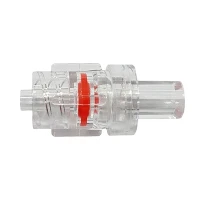


Hey there! As a supplier of Male Luer Lock Connectors, I often get asked about how to maintain these little but crucial medical components. In this blog, I'll share some practical tips on keeping your Male Luer Lock Connectors in top - notch condition.
First things first, let's understand what a Male Luer Lock Connector is. It's a small part, but it plays a huge role in the medical field. A Male Luer Lock Connector is designed to create a secure and leak - proof connection between different medical devices. It fits snugly with its counterpart, the Female Luer Lock Connector, and is commonly used in syringes, IV sets, and other medical equipment.
Cleaning the Male Luer Lock Connector
One of the most important aspects of maintenance is cleaning. Contamination can lead to all sorts of problems, like blockages or even infections.
Cleaning Frequency
How often you need to clean the Male Luer Lock Connector depends on how often you use it. If it's a high - use connector in a busy medical setting, it's best to clean it after each use. But for lower - use scenarios, you can clean it every few uses.
Cleaning Agents
When it comes to cleaning agents, you have a few options. Mild soap and water are a great start. Just mix a little bit of soap with warm water, and use a soft brush to gently scrub the connector. Make sure to get into all the nooks and crannies. After that, rinse it thoroughly with clean water.
Another option is using an alcohol - based disinfectant. Alcohol can kill a wide range of germs, but it's important not to use it too often. Over - exposure to alcohol can cause the plastic of the connector to degrade over time.
Drying
After cleaning, proper drying is essential. You can let the connector air - dry on a clean towel. Avoid using a cloth that might leave lint behind, as lint can get stuck in the connector and cause problems.
Inspection
Regular inspection is key to catching any potential issues early.
Visual Inspection
Take a good look at the Male Luer Lock Connector every time you clean it. Check for any signs of damage, like cracks, chips, or deformities. Even a small crack can lead to leaks, which can be a big problem in a medical environment.
Thread Inspection
The threads on the Male Luer Lock Connector are crucial for creating a tight seal with the female connector. Make sure the threads are clean and not worn out. If you notice any signs of wear, like striations or unevenness, it might be time to replace the connector.


Functionality Check
Try connecting the Male Luer Lock Connector to a Female Luer Lock Connector and see if it fits properly. It should screw on smoothly and form a tight connection. If you feel any resistance or if the connection feels loose, there's probably an issue.
Storage
Proper storage can extend the lifespan of your Male Luer Lock Connectors.
Clean Environment
Store your connectors in a clean and dry place. A dirty or humid environment can lead to the growth of bacteria and mold, which can contaminate the connectors.
Protection
You can use protective caps to cover the connectors when they're not in use. This helps prevent dust, dirt, and other contaminants from getting into the connector.
Organization
Keep your connectors organized. You can use small containers or trays to separate different types of connectors and keep them easily accessible.
Compatibility and Usage Considerations
When using Male Luer Lock Connectors, it's important to consider compatibility.
Compatible Devices
Make sure the Male Luer Lock Connector is compatible with the device it's going to be connected to. Not all connectors are created equal, and using an incompatible connector can lead to leaks or other problems.
Usage Limits
Be aware of the usage limits of the connector. Some connectors are designed for single - use only, while others can be reused. Make sure to follow the manufacturer's guidelines to avoid any potential issues.
Special Types of Male Luer Lock Connectors
There are also special types of Male Luer Lock Connectors, such as Rotating Luer Connectors. These connectors have an additional rotating feature, which can provide more flexibility in certain medical applications.
Maintenance of Rotating Luer Connectors
The maintenance of rotating luer connectors is similar to that of regular Male Luer Lock Connectors, but there are some additional things to keep in mind. Check the rotation mechanism regularly to make sure it's working smoothly. If you notice any stiffness or resistance, you might need to clean or lubricate the rotating part. However, be careful not to use too much lubricant, as it can attract dirt and debris.
Troubleshooting
Even with proper maintenance, you might still run into some problems with your Male Luer Lock Connectors.
Leaks
If you notice a leak, first check the connection to make sure it's tight. If the connection is tight and there's still a leak, the connector might be damaged. In this case, it's best to replace the connector.
Blockages
Blockages can occur if there's debris or dried substances in the connector. To clear a blockage, you can try flushing the connector with warm water or a cleaning solution. If the blockage persists, you might need to use a small wire or tube to gently remove the obstruction.
Why Our Male Luer Lock Connectors Are a Great Choice
As a supplier, we take pride in offering high - quality Male Luer Lock Connectors. Our connectors are made from top - grade materials, which ensures durability and reliability. We also follow strict quality control processes to make sure each connector meets the highest standards.
If you're in the market for Male Luer Lock Connectors, don't hesitate to reach out. We can provide you with the right products for your needs, and we're always here to offer advice on maintenance and usage. Whether you're a healthcare provider, a medical device manufacturer, or any other entity in need of these connectors, we're ready to serve you.
Maintaining your Male Luer Lock Connectors is not that difficult if you follow these simple steps. Regular cleaning, inspection, proper storage, and smart usage can go a long way in ensuring the longevity and functionality of these important medical components.
So, if you want to learn more about our Male Luer Lock Connector products or have any questions about maintenance, feel free to get in touch. We're always happy to help you make the most out of our products and keep your medical equipment running smoothly.
References
- Medical Device Maintenance Handbook
- Guide to Luer Connector Standards and Usage
- Journal of Medical Equipment Care and Maintenance