




Hey there! As a supplier of Disposable Infusion Set, I often get asked about the safety features of these essential medical devices. Today, I'm going to dive deep into the question: Do disposable infusion sets have a safety mechanism to prevent over-infusion?
First off, let's understand what over-infusion is. Over-infusion happens when too much fluid or medication is delivered into a patient's bloodstream. This can lead to a whole bunch of problems, like fluid overload, which can put extra strain on the heart and lungs. It can also cause electrolyte imbalances, which mess with the body's normal functions.
So, do disposable infusion sets have built-in safety mechanisms to stop this from happening? The answer is yes, and there are several types of safety features that are commonly used.
One of the most basic safety features is the flow regulator. This is a simple device that allows healthcare providers to control the rate at which the fluid or medication is infused. By setting the flow rate according to the patient's needs, they can prevent over-infusion. The flow regulator works by adjusting the size of the opening through which the fluid passes. A smaller opening slows down the flow, while a larger opening speeds it up.
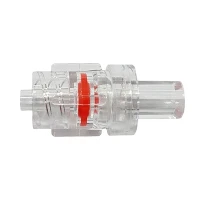
Another important safety feature is the anti-free flow device. This is designed to prevent the fluid from flowing freely when the infusion set is first connected or if there's a break in the system. Without an anti-free flow device, a large amount of fluid could rush into the patient's bloodstream all at once, leading to over-infusion. The anti-free flow device usually consists of a valve that closes automatically when the pressure changes, stopping the flow of fluid.

Some disposable infusion sets also come with a volume control chamber. This is a small reservoir that holds a specific amount of fluid. Once the fluid in the chamber has been infused, the flow stops until the chamber is refilled. This helps to ensure that the patient receives the correct amount of fluid or medication over a set period of time.
In addition to these mechanical safety features, many modern disposable infusion sets are designed to be used with infusion pumps. These pumps are highly accurate and can be programmed to deliver a specific volume of fluid or medication at a precise rate. They also have built-in alarms that go off if there's a problem, like an occlusion in the tubing or if the set is running dry.
But here's the thing: even with all these safety features, it's still important for healthcare providers to monitor the infusion process closely. They need to check the flow rate regularly, make sure the tubing is not kinked or blocked, and watch for any signs of over-infusion or other complications.
As a supplier of Disposable Infusion Set, I'm committed to providing high-quality products that meet the highest safety standards. Our infusion sets are made from medical-grade materials and are rigorously tested to ensure they work properly. We also offer a range of different types of infusion sets to meet the specific needs of different patients and healthcare settings.
If you're in the market for disposable infusion sets, I'd love to talk to you about our products. We can provide you with samples so you can see for yourself the quality and safety features of our infusion sets. Whether you're a hospital, a clinic, or a home healthcare provider, we have the right solution for you.
In conclusion, disposable infusion sets do have safety mechanisms to prevent over-infusion. These features, along with proper monitoring by healthcare providers, help to ensure that patients receive the correct amount of fluid or medication safely and effectively. If you're interested in learning more about our Disposable Infusion Set or have any questions, don't hesitate to get in touch. We're here to help you make the best choice for your patients.
References
- Medical Device Technology Magazine. "Safety Features in Disposable Infusion Sets."
- Journal of Clinical Nursing. "The Importance of Monitoring Infusion Therapy."