


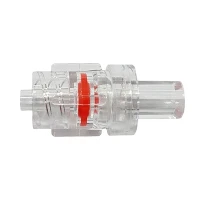


Can luer lock connectors be used in a sterile environment? That's a question I get asked a lot as a supplier of luer lock connectors. And it's a crucial one, especially in the medical and laboratory fields where maintaining sterility is non - negotiable.
First off, let's talk about what luer lock connectors are. They're these nifty little devices that are used to connect different parts of medical or fluid - handling equipment. You've got the Male Luer Lock Connector and the Female Luer Lock Connector. The male one has a threaded tip, and the female one has a corresponding threaded receptacle. When you twist them together, they form a secure and leak - proof connection. There are also Rotating Luer Connectors, which allow for easy adjustment of the connection angle without compromising the seal.
Now, can they be used in a sterile environment? The short answer is yes, but it comes with some conditions.
Design Features for Sterility
One of the main reasons luer lock connectors can be used in sterile settings is their design. The threaded locking mechanism provides a tight seal. This seal helps prevent the ingress of contaminants like bacteria, viruses, and dust particles. When properly connected, the risk of external contaminants getting into the fluid pathway is significantly reduced.
The materials used in manufacturing luer lock connectors also play a big role. Most high - quality connectors are made from medical - grade plastics or metals that are resistant to corrosion and can withstand sterilization processes. For example, polycarbonate is a common choice because it's strong, transparent, and can be easily sterilized using methods like autoclaving, gamma irradiation, or ethylene oxide (EtO) sterilization.
Sterilization Methods
Let's dig deeper into those sterilization methods. Autoclaving is a popular choice. It involves subjecting the connectors to high - pressure steam at around 121 - 134 degrees Celsius for a specific period. This method is effective in killing a wide range of microorganisms, including spores. However, not all materials can withstand the high temperatures and pressures of autoclaving. So, if you're planning to use autoclaving, make sure the luer lock connectors you choose are labeled as autoclave - compatible.
Gamma irradiation is another option. It uses high - energy gamma rays to break down the DNA of microorganisms, rendering them unable to reproduce. This method is great because it can penetrate packaging, allowing for pre - packaged connectors to be sterilized. But it can cause some materials to degrade over time, so again, you need to select connectors that are suitable for gamma irradiation.
EtO sterilization is a low - temperature method that's effective against a broad spectrum of microorganisms. It works by reacting with the proteins and nucleic acids of the microbes. However, EtO is a toxic gas, and proper aeration is required after sterilization to remove any residual gas from the connectors.
Handling and Installation in a Sterile Environment
Even if the luer lock connectors are properly sterilized, how you handle and install them matters a lot. When you're working in a sterile environment, you need to follow strict protocols.
First, make sure your hands are clean. Wear sterile gloves and use sterile tools when handling the connectors. Avoid touching the mating surfaces of the connectors with bare hands or non - sterile objects. If you drop a connector on a non - sterile surface, it's best to discard it and use a new one.
During installation, be careful not to cross - contaminate. For example, if you're connecting a luer lock connector to a syringe and a catheter, make sure both the syringe and the catheter are also sterile. Follow the correct procedure for connecting the male and female parts. Twist them together firmly but not overly tightly, as over - tightening can damage the threads and compromise the seal.
Challenges and Considerations
While luer lock connectors are suitable for sterile environments, there are some challenges. One issue is the potential for biofilm formation. Biofilms are communities of microorganisms that can adhere to the surface of the connectors. Over time, these biofilms can release bacteria and other pathogens into the fluid, increasing the risk of infection. To prevent biofilm formation, regular cleaning and replacement of connectors may be necessary.
Another consideration is the compatibility of the connectors with different fluids. Some fluids may react with the materials of the connectors, causing degradation or leaching of chemicals. This can not only affect the performance of the connectors but also pose a risk to the patient or the experiment. So, it's important to choose connectors that are compatible with the specific fluids you'll be using.


Our Role as a Supplier
As a luer lock connector supplier, we take sterility seriously. We ensure that all our connectors are manufactured in a clean environment following strict quality control procedures. Our products are tested to meet or exceed industry standards for sterility and performance.
We offer a wide range of luer lock connectors, including the Male Luer Lock Connector, Female Luer Lock Connector, and Rotating Luer Connectors. We can provide detailed information about the materials used, the recommended sterilization methods, and the compatibility of our connectors with different fluids.
If you're in the market for luer lock connectors for your sterile applications, we'd love to have a chat with you. Whether you're a medical device manufacturer, a laboratory researcher, or a healthcare provider, we can help you find the right connectors for your needs. Just reach out to us, and our team of experts will be happy to assist you with your procurement and answer any questions you might have.
In conclusion, luer lock connectors can definitely be used in a sterile environment, but it's essential to understand their design, the sterilization methods, and the proper handling procedures. With the right approach, these connectors can provide a reliable and safe solution for fluid - handling in sterile settings.
References
- American Society for Testing and Materials (ASTM). Standard practices for medical device sterilization.
- International Organization for Standardization (ISO). ISO 11608 - 1:2018 - Precision instruments for human medicine - Luer conical fittings - Part 1: General requirements.
- Centers for Disease Control and Prevention (CDC). Guidelines for environmental infection control in health - care facilities.