


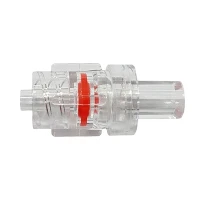


Can IV coiled extension tubes be used for hemodialysis? This is a question that often arises in the medical field, and as a supplier of IV Coiled Extension Tubes, I am here to provide a comprehensive analysis.
Understanding IV Coiled Extension Tubes
IV Coiled Extension Tubes, as the name suggests, are a type of medical tubing used in intravenous (IV) therapy. These tubes are designed to provide additional length to the IV setup, allowing for greater flexibility in patient positioning and easier access to the IV line. They are commonly used in various clinical settings, including hospitals, clinics, and home care. You can find more information about them on our IV Coiled Extension Tube page.
The basic structure of an IV Coiled Extension Tube consists of a coiled section made of medical - grade plastic, typically polyvinyl chloride (PVC) or polyurethane. The tube has connectors at both ends that are compatible with standard IV sets and catheters. The coiling design not only provides extra length but also helps to prevent kinking, which can disrupt the flow of fluids.
The Process of Hemodialysis
Hemodialysis is a life - saving treatment for patients with end - stage renal disease (ESRD) or acute kidney injury. It involves the removal of waste products, excess fluids, and electrolytes from the blood using a dialysis machine. The process requires a highly specialized and precise system to ensure the safety and effectiveness of the treatment.
In hemodialysis, blood is drawn from the patient's body through a vascular access, usually an arteriovenous fistula, graft, or central venous catheter. The blood then passes through a dialyzer, which acts as an artificial kidney, where the purification process takes place. After purification, the clean blood is returned to the patient's body.
Compatibility of IV Coiled Extension Tubes with Hemodialysis
Flow Rate Requirements
One of the primary concerns when considering using IV Coiled Extension Tubes for hemodialysis is the flow rate. Hemodialysis requires a relatively high and consistent flow rate of blood, typically ranging from 300 to 500 milliliters per minute. Standard IV Coiled Extension Tubes are designed for the administration of medications and fluids at much lower flow rates, usually in the range of a few milliliters to a few hundred milliliters per hour.
The internal diameter of IV Coiled Extension Tubes is generally smaller compared to the tubing used in hemodialysis systems. A smaller internal diameter restricts the flow of blood, making it difficult to achieve the required high flow rates for hemodialysis. This can lead to inadequate removal of waste products and fluids from the blood, compromising the effectiveness of the treatment.
Blood Compatibility
Another important aspect is blood compatibility. Hemodialysis involves the direct contact of blood with the tubing. The materials used in IV Coiled Extension Tubes need to be biocompatible with blood to prevent adverse reactions such as hemolysis (rupture of red blood cells), platelet activation, and clot formation.
Most IV Coiled Extension Tubes are designed for short - term use with medications and fluids, and their surface properties may not be optimized for long - term blood contact. The smoothness and chemical composition of the tubing surface can affect the interaction with blood components. In hemodialysis, specialized tubing is coated with anticoagulants or has a smooth surface finish to minimize the risk of clotting and ensure the integrity of the blood.
Pressure Resistance
Hemodialysis systems operate under relatively high pressure to maintain the required blood flow. The tubing used in these systems must be able to withstand the pressure without leaking or bursting. IV Coiled Extension Tubes are not typically designed to handle the high pressures associated with hemodialysis.
The coiling design of IV Coiled Extension Tubes may also cause pressure fluctuations and turbulence in the blood flow, which can be detrimental to the hemodialysis process. Turbulent blood flow can increase the risk of clot formation and damage to blood cells.
Specialized Tubing for Hemodialysis
There are specific types of tubing designed for hemodialysis. These tubes are made of materials that are highly biocompatible with blood, have a larger internal diameter to allow for high - flow rates, and can withstand the high pressures involved in the process.
For example, some hemodialysis tubing is made of polycarbonate or silicone, which have excellent blood compatibility and mechanical properties. These tubes are also often pre - treated with heparin or other anticoagulants to prevent clotting.
Potential Risks of Using IV Coiled Extension Tubes in Hemodialysis
If IV Coiled Extension Tubes are used in hemodialysis, there are several potential risks. As mentioned earlier, inadequate flow rates can lead to sub - optimal dialysis, resulting in the accumulation of toxins and fluids in the patient's body. This can cause symptoms such as fatigue, nausea, and swelling.


The risk of clot formation is also significantly increased. Clots can block the tubing, disrupt the blood flow, and require the replacement of the tubing or even the interruption of the dialysis session. In addition, clot formation can lead to the formation of emboli, which can travel to other parts of the body and cause serious complications such as stroke or pulmonary embolism.
Other Applications of IV Coiled Extension Tubes
Although IV Coiled Extension Tubes are not suitable for hemodialysis, they have a wide range of other applications in the medical field. They are commonly used in the administration of medications, such as antibiotics, analgesics, and chemotherapy drugs. They are also used for the infusion of fluids, such as saline and dextrose solutions.
You can learn more about general IV tubing, including IV Coiled Extension Tubes, on our IV Extension Tube page. Additionally, our CT Contrast Tubing is another type of specialized tubing used for a different purpose in the medical imaging field.
Conclusion
In conclusion, IV Coiled Extension Tubes are not recommended for use in hemodialysis due to their inability to meet the specific requirements of the hemodialysis process, including flow rate, blood compatibility, and pressure resistance. Using them in hemodialysis can pose significant risks to the patient's health and the effectiveness of the treatment.
However, as a supplier of IV Coiled Extension Tubes, we offer high - quality products for a variety of other medical applications. Our tubes are designed to meet the strictest quality standards and provide reliable performance in IV therapy.
If you are in the medical field and are interested in purchasing IV Coiled Extension Tubes for appropriate applications, we encourage you to contact us for a detailed discussion about your needs. We are committed to providing you with the best products and services to support your medical practice.
References
- Nissenson, A. R., & Fine, R. N. (Eds.). (2014). Clinical Dialysis. Lippincott Williams & Wilkins.
- Eknoyan, G., Beck, G. J., Cheung, A. K., et al. (2002). K/DOQI clinical practice guidelines for chronic kidney disease: evaluation, classification, and stratification. American Journal of Kidney Diseases, 39(2 Suppl 1), S1 - S266.
- National Kidney Foundation. (2020). Hemodialysis. Retrieved from [Foundation's official website]