




Hey there! As a supplier in the infusion therapy field, I often get asked if infusion therapy can be used for cancer treatment. Well, let's dive right into this topic and explore the ins and outs of it.
First off, what exactly is infusion therapy? In simple terms, it's a method of delivering fluids, medications, or nutrients directly into a patient's bloodstream through a vein. This can be done in various settings, like hospitals, clinics, or even at home in some cases. It's a pretty common procedure for a whole bunch of medical conditions, not just cancer.
Now, when it comes to cancer treatment, infusion therapy plays a huge role. Chemotherapy, one of the most well - known cancer treatments, is often administered through infusion. Chemotherapy drugs are powerful substances that target and kill cancer cells. By using infusion therapy, these drugs can be quickly and efficiently distributed throughout the body via the bloodstream. This way, they can reach cancer cells wherever they might be hiding.
There are also other types of cancer - related medications that can be given through infusion. For example, targeted therapy drugs are designed to specifically attack certain molecules within cancer cells. These drugs can be more precise in their action compared to traditional chemotherapy, and infusion is a great way to get them into the body. Immunotherapy is another big thing in cancer treatment these days. It works by boosting the body's own immune system to fight cancer. Many immunotherapy drugs are also delivered via infusion.
The benefits of using infusion therapy for cancer treatment are numerous. One of the main advantages is the ability to deliver a consistent dose of medication. When you're dealing with cancer, it's crucial to get the right amount of drugs at the right time. Infusion pumps can be programmed to deliver a specific rate of flow, ensuring that the patient gets a steady supply of the medication. This helps to maintain the effectiveness of the treatment and reduces the risk of under - or over - dosing.
Another benefit is the speed of delivery. Some cancer medications need to be in the bloodstream quickly to start working. Infusion therapy allows for a rapid introduction of these drugs, which can be especially important in cases where the cancer is aggressive.
But it's not all sunshine and rainbows. There are also some potential drawbacks to using infusion therapy for cancer treatment. One of the most common side effects is the risk of infection. Since the infusion involves inserting a catheter into a vein, there's a chance that bacteria can enter the body and cause an infection. That's why strict sterile techniques are used during the procedure, and patients are often monitored closely for any signs of infection.
There can also be reactions to the medications themselves. Some patients may experience allergic reactions to chemotherapy or other drugs administered through infusion. These reactions can range from mild symptoms like itching and rash to more severe ones like difficulty breathing. Doctors and nurses are trained to recognize and manage these reactions, but they're still a concern.
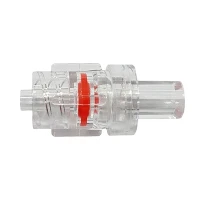
As a supplier of infusion therapy products, we're well - aware of the importance of high - quality equipment. For example, a Disposable Infusion Set is a crucial part of the process. These sets are designed to be used once and then discarded, which helps to reduce the risk of infection. They come in different sizes and types to suit various needs, whether it's for a short - term infusion or a long - term treatment.
When it comes to cancer treatment with infusion therapy, the process usually starts with a consultation with an oncologist. The doctor will evaluate the patient's condition, the type of cancer, and other factors to determine the best treatment plan. If infusion therapy is part of that plan, the patient will then be educated about the procedure, what to expect, and any potential side effects.
Before the actual infusion, the patient's veins will be assessed to find the best site for the catheter insertion. This is usually done by a trained nurse or doctor. Once the catheter is in place, the infusion can begin. The patient will be monitored throughout the process to make sure everything is going smoothly.
After the infusion, the patient may need to stay in the clinic or hospital for a while to be observed for any immediate reactions. They'll also be given instructions on how to take care of the catheter site at home, if applicable.

It's important to note that infusion therapy for cancer treatment is often part of a comprehensive treatment plan. It may be combined with other treatments like surgery, radiation therapy, or hormone therapy. The goal is to use a multi - pronged approach to attack the cancer from different angles and increase the chances of a successful outcome.
Now, if you're in the medical field and are looking for reliable infusion therapy products for cancer treatment or other applications, we'd love to talk to you. We understand the critical role that high - quality equipment plays in patient care. Our products are designed to meet the highest standards of safety and effectiveness. Whether you're a hospital, a clinic, or a home healthcare provider, we can offer you a range of options to suit your needs.
We're always happy to have discussions about your specific requirements. You can reach out to us to learn more about our products, pricing, and how we can support your infusion therapy needs. Let's work together to make a difference in cancer treatment and patient care.
References
- American Cancer Society. (2023). How Chemotherapy Drugs are Given.
- National Cancer Institute. (2023). Targeted Therapy for Cancer.
- World Health Organization. (2023). Cancer Treatment Guidelines.