


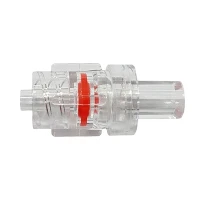


As a supplier of IV sets, I've often been asked whether our standard IV sets can be used for pediatric patients. This is a crucial question, as the needs of pediatric patients differ significantly from those of adults. In this blog, I'll delve into the considerations, challenges, and solutions related to using IV sets for pediatric patients.
Understanding the Unique Needs of Pediatric Patients
Pediatric patients, ranging from newborns to adolescents, have distinct physiological characteristics that must be taken into account when administering intravenous therapy. Their smaller body size, immature organ systems, and different fluid requirements make them more vulnerable to complications associated with IV therapy.
Fluid Volume Management
One of the primary concerns in pediatric IV therapy is accurate fluid volume management. Children have a higher body surface area to volume ratio than adults, which means they are more susceptible to fluid imbalances. Over - or under - infusion of fluids can have serious consequences, such as fluid overload, dehydration, or electrolyte disturbances.
For example, a premature infant may require only a few milliliters of fluid per hour, while an older child may need a larger volume. Standard adult IV sets are designed to deliver fluids at a rate suitable for adult patients, which may be too high for pediatric patients. Therefore, it's essential to use IV sets that allow for precise control of fluid flow.
Safety Features
Pediatric patients are more likely to move around during IV therapy, increasing the risk of dislodging the IV catheter. Additionally, their skin is more delicate, and they may be less able to communicate discomfort or pain. Safety features such as secure catheter fixation, kink - resistant tubing, and anti - reflux valves are crucial to prevent complications such as infiltration, phlebitis, and air embolism.
Types of IV Sets Suitable for Pediatric Patients
Microdrip IV Sets
Microdrip IV sets are commonly used for pediatric patients. These sets have a smaller drop factor, typically 60 drops per milliliter, compared to macrodrip sets, which usually have a drop factor of 10 or 15 drops per milliliter. The smaller drop size allows for more precise control of fluid flow, making it easier to administer small volumes of fluids at a slow rate.
Burette Sets
Burette sets, such as the Burette Set, are another option for pediatric IV therapy. These sets have a chamber that can be filled with a specific volume of fluid, allowing for accurate measurement and control of the amount of fluid administered. Burette sets are particularly useful for intermittent infusion of medications or fluids in small volumes.
Disposable Infusion Pumps
Disposable infusion pumps, like the Disposable Infusion Pump, offer the highest level of precision in fluid delivery. These pumps can be programmed to deliver fluids at a specific rate, ensuring accurate and consistent infusion. They also have built - in safety features such as occlusion alarms and volume - to - be - infused settings, which help prevent over - or under - infusion.
Challenges in Using IV Sets for Pediatric Patients
Cost
Specialized pediatric IV sets and infusion pumps can be more expensive than standard adult sets. This can be a significant concern for healthcare facilities, especially those with limited budgets. However, the cost of using inappropriate IV sets and the potential complications associated with them can be much higher in the long run.
Availability
In some regions, the availability of pediatric - specific IV sets may be limited. This can make it difficult for healthcare providers to obtain the necessary equipment in a timely manner. As a supplier, we are committed to ensuring a steady supply of high - quality pediatric IV sets to meet the needs of healthcare facilities worldwide.
Training
Proper training is essential for healthcare providers to use pediatric IV sets safely and effectively. They need to be familiar with the different types of IV sets, their features, and how to operate them correctly. Lack of training can lead to errors in fluid administration and increased risk of complications.
Solutions to Overcome Challenges
Cost - Effective Options
We offer a range of cost - effective pediatric IV sets that provide high - quality performance without breaking the bank. Our products are designed to meet the strictest safety and quality standards, ensuring reliable and accurate fluid delivery.
Global Distribution
We have a well - established distribution network that allows us to supply pediatric IV sets to healthcare facilities around the world. We work closely with our partners to ensure timely delivery and availability of our products.
Training and Support
We provide comprehensive training and support to healthcare providers on the proper use of our pediatric IV sets. Our team of experts is available to answer questions, provide technical assistance, and offer on - site training if needed.
Other Considerations in Pediatric IV Therapy
Catheter Size
The size of the IV catheter used in pediatric patients is also crucial. Smaller - gauge catheters are generally preferred to minimize trauma to the veins and reduce the risk of complications. However, the choice of catheter size depends on the patient's age, vein size, and the type of fluid or medication being administered.
Medication Compatibility
When using IV sets for pediatric patients, it's important to consider the compatibility of the medications with the IV set materials. Some medications may interact with the tubing or other components of the IV set, leading to changes in the medication's efficacy or safety.


Conclusion
In conclusion, while standard adult IV sets may not be suitable for pediatric patients, there are several types of IV sets available that are specifically designed to meet the unique needs of children. Microdrip IV sets, burette sets, and disposable infusion pumps offer precise fluid control, safety features, and reliability.
As a supplier of IV sets, we understand the importance of providing high - quality products and support to healthcare providers. If you're interested in learning more about our pediatric IV sets or have any questions about their use, please feel free to contact us for a procurement discussion. We're here to help you ensure the safe and effective administration of intravenous therapy to pediatric patients.
References
- Kearns GL, Abdel - Rahman SM, Alander SW, et al. Developmental pharmacology - drug disposition, action, and therapy in infants and children. N Engl J Med. 2003;349(12):1157 - 1167.
- American Academy of Pediatrics. Pediatric intravenous therapy. Pediatrics. 2003;111(4 Pt 1):916 - 921.
- Infusion Nurses Society. Infusion Nursing Standards of Practice. J Infus Nurs. 2016;39(Suppl 1):S1 - S156.