




Can a stopcock be used in a rainwater harvesting system?
Rainwater harvesting is an age - old practice that has gained renewed interest in recent years due to growing concerns about water scarcity and environmental sustainability. A rainwater harvesting system typically consists of components like gutters, downspouts, storage tanks, filters, and distribution pipes. In this blog, we'll explore whether a stopcock can be a useful addition to such a system, especially considering that I'm a stopcock supplier.
Understanding Stopcocks
A stopcock, also known as a shut - off valve, is a device used to control the flow of a fluid (in this case, water). It can be opened to allow water to flow through a pipe and closed to stop the flow. There are different types of stopcocks, including ball valves, gate valves, and globe valves. Each type has its own characteristics and is suitable for different applications. For example, ball valves are known for their quick - acting operation and tight shut - off, while gate valves are often used for applications where a full, unobstructed flow is required when the valve is open.
The Role of a Stopcock in a Rainwater Harvesting System
- Isolation of Components
- In a rainwater harvesting system, there may be times when you need to isolate a particular component for maintenance or repair. For instance, if your storage tank needs cleaning or if there is a leak in a section of the pipework, a stopcock can be used to cut off the water supply to that area. This prevents water from continuing to flow, making it safer and easier to work on the affected part.
- Consider a situation where the filter in the system becomes clogged. By closing the stopcock upstream of the filter, you can remove and clean or replace the filter without having water gushing out everywhere.
- Flow Control
- A stopcock can also be used to regulate the flow of water in the system. If you want to control the rate at which water enters the storage tank or the rate at which it is distributed for use, a stopcock can be adjusted accordingly. For example, if you have a small - capacity storage tank and you don't want it to overflow during heavy rainfall, you can partially close the stopcock to slow down the inflow of rainwater.
- In the distribution phase, if you are using rainwater for gardening and you want a gentle, steady flow of water for watering plants, a stopcock can be used to achieve this by reducing the water pressure and flow rate.
- Emergency Shut - off
- In case of a major leak or a system failure, a stopcock provides an immediate way to stop the water flow. This can prevent significant water damage to your property and save a large amount of water that would otherwise be wasted. For example, if a pipe bursts in the system, closing the stopcock can quickly halt the flow of water and minimize the mess and potential damage.
Types of Stopcocks Suitable for Rainwater Harvesting
- Ball Valves
- Ball valves are a popular choice for rainwater harvesting systems. They are relatively inexpensive, easy to operate, and have a long service life. The ball inside the valve has a hole in it, and when the valve is turned to the open position, the hole aligns with the pipe, allowing water to flow freely. When turned to the closed position, the solid part of the ball blocks the flow.
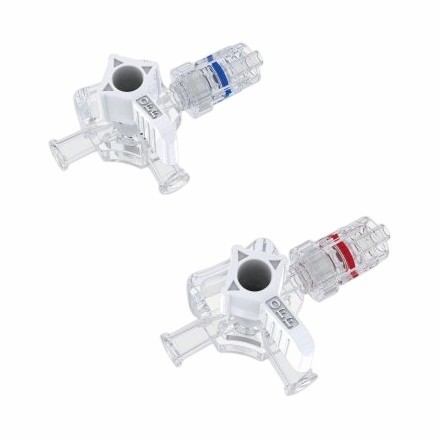
- Their quick - acting nature makes them ideal for emergency shut - off situations. For more information on a type of ball valve, you can check out our 3 Way Stopcock.
- Gate Valves
- Gate valves are suitable when a full, unobstructed flow of water is required most of the time. They work by raising or lowering a gate inside the valve body. When the gate is fully raised, there is no restriction to the water flow. However, they are not as quick to operate as ball valves and may not be the best choice for emergency shut - offs.
- Globe Valves
- Globe valves are known for their precise flow control. They have a disc that moves up and down to regulate the flow of water. They are more suitable for applications where fine - tuning of the flow rate is required, such as in systems where water is being used for delicate processes like indoor plant watering or for operating small - scale water - based equipment.
Installation Considerations
- Location
- The location of the stopcock in the rainwater harvesting system is crucial. For isolation purposes, it should be installed close to the component that needs to be isolated. For example, if you want to isolate the storage tank, the stopcock should be installed on the inlet pipe of the tank.
- For flow control and emergency shut - off, a stopcock can be installed at a central point in the system, such as near the main distribution pipe. This allows for easy access and quick operation in case of an emergency.
- Material Compatibility
- Since rainwater may contain some impurities, the stopcock material should be chosen carefully. Stainless steel or brass stopcocks are good options as they are resistant to corrosion. Avoid using materials that may react with the water or the impurities in it, as this can lead to premature failure of the stopcock.
- Pressure Rating
- The stopcock should have a pressure rating that is suitable for the maximum pressure in the rainwater harvesting system. If the pressure in the system exceeds the pressure rating of the stopcock, it may lead to leaks or even a complete failure of the valve.
Advantages of Using a Stopcock in a Rainwater Harvesting System
- Increased System Reliability
- By providing isolation, flow control, and emergency shut - off capabilities, a stopcock enhances the overall reliability of the rainwater harvesting system. It reduces the risk of water damage due to leaks or system failures and makes maintenance and repairs easier.
- Water Conservation
- The ability to control the flow of water using a stopcock helps in conserving water. By preventing over - filling of storage tanks and regulating the distribution of water, less water is wasted.
- Flexibility
- A stopcock adds flexibility to the system. It allows users to adapt the system to different situations, such as changes in rainfall patterns or variations in water demand.
Conclusion
In conclusion, a stopcock can be a valuable addition to a rainwater harvesting system. It offers multiple benefits in terms of isolation, flow control, and emergency shut - off. As a stopcock supplier, I highly recommend considering the use of a stopcock in your rainwater harvesting setup. Whether you need a ball valve for quick - acting shut - offs, a gate valve for full - flow applications, or a globe valve for precise flow control, there is a suitable stopcock available.

If you are interested in purchasing stopcocks for your rainwater harvesting system or have any questions about which type would be best for your specific needs, please feel free to contact us. We are ready to assist you in making the right choice and ensuring the efficient and reliable operation of your rainwater harvesting system.
References
- "Rainwater Harvesting: A Guide to Collecting, Filtering, and Using Rainwater" by Brad Lancaster.
- "Valve Handbook" by Dietrich Stoeckel, which provides in - depth information on different types of valves including stopcocks.