




Hey there! As a supplier of infusion therapy products, I've seen firsthand how this treatment can have a real impact on blood cell counts. In this blog, I'm gonna break down the ins and outs of how infusion therapy affects those little guys floating around in our blood.
First off, let's talk about what infusion therapy is. It's a method of delivering fluids, medications, or nutrients directly into the bloodstream through a vein. This can be done in a hospital, a clinic, or even at home in some cases. There are different types of infusion therapies, like chemotherapy infusions for cancer patients, intravenous (IV) fluids for dehydration, or immunoglobulin infusions for certain immune - related disorders.
Now, onto blood cells. We've got three main types: red blood cells (RBCs), white blood cells (WBCs), and platelets. Each of them has a super important job. Red blood cells carry oxygen from our lungs to the rest of our body. White blood cells are like the body's security guards, fighting off infections and diseases. And platelets help with blood clotting to stop bleeding.
So, how does infusion therapy mess with these blood cells? Well, it depends on what's being infused.
Effects on Red Blood Cells
Some infusion therapies can directly affect red blood cells. For example, if a patient is getting a blood transfusion, which is a type of infusion therapy, it's a pretty straightforward boost to the red blood cell count. The donated blood contains healthy red blood cells that get added to the patient's bloodstream, increasing the overall number of RBCs. This is super helpful for patients with anemia, which is a condition where there aren't enough red blood cells or they don't work properly.
On the other hand, certain chemotherapy drugs delivered through infusion can have a negative impact on red blood cells. Chemotherapy is designed to kill cancer cells, but unfortunately, it can also target healthy cells, including red blood cell - producing cells in the bone marrow. When the bone marrow can't make enough red blood cells, the patient may develop chemotherapy - induced anemia. Symptoms can include fatigue, shortness of breath, and pale skin.
Impact on White Blood Cells
White blood cells are crucial for our immune system, and infusion therapy can have both positive and negative effects on them. Immunoglobulin infusions are used to boost the immune system. Immunoglobulins are antibodies that help the body fight off infections. When a patient gets an immunoglobulin infusion, it can increase the body's ability to defend against germs, which is great for people with immune deficiencies.
But again, chemotherapy infusions can be a real pain for white blood cells. Chemotherapy drugs can suppress the bone marrow's ability to produce white blood cells. This leads to a condition called neutropenia, where there are low levels of a type of white blood cell called neutrophils. Neutrophils are the first line of defense against bacterial infections. With low neutrophil counts, patients are at a higher risk of getting sick, and even minor infections can turn serious quickly.
Influence on Platelets
Platelets are essential for blood clotting, and infusion therapy can affect their numbers too. In some cases, patients may receive platelet transfusions, which are a form of infusion therapy. This is done when a patient has a low platelet count, perhaps due to a bone - marrow disorder or after chemotherapy. By adding more platelets to the bloodstream, the risk of excessive bleeding is reduced.
However, just like with red and white blood cells, chemotherapy infusions can cause a drop in platelet counts. When the bone marrow is damaged by chemotherapy, it may not produce enough platelets. This can lead to easy bruising, bleeding gums, and in severe cases, internal bleeding.
The Role of the Disposable Infusion Set
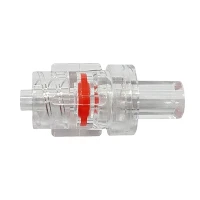
Now, I wanna talk about an important part of infusion therapy: the Disposable Infusion Set. This is a key piece of equipment that ensures the safe and accurate delivery of whatever is being infused. It's designed to be used once and then thrown away, which helps prevent the spread of infections. A good disposable infusion set is crucial for the success of any infusion therapy, whether it's a simple IV fluid or a complex chemotherapy drug.

Monitoring Blood Cell Counts During Infusion Therapy
Doctors and nurses closely monitor blood cell counts during infusion therapy. They'll take regular blood tests to keep an eye on how the treatment is affecting the patient's red blood cells, white blood cells, and platelets. Based on the results, they can adjust the treatment plan. For example, if a patient's red blood cell count is dropping too low during chemotherapy, they may decide to give a blood transfusion or adjust the chemotherapy dosage.
Long - Term Effects
In some cases, the effects of infusion therapy on blood cell counts can be long - term. For patients who've had multiple rounds of chemotherapy, the damage to the bone marrow may be more severe and long - lasting. This can lead to chronic anemia, immune system problems, or low platelet counts even after the treatment is over. However, with proper care and follow - up, many patients can recover and manage these long - term effects.
Conclusion
In conclusion, infusion therapy can have a wide range of effects on blood cell counts. It can either boost the numbers of red blood cells, white blood cells, and platelets when needed, like in the case of transfusions or immunoglobulin infusions. Or it can cause a decrease in these cells, especially when using chemotherapy drugs. As a supplier of infusion therapy products, I understand the importance of providing high - quality equipment like the disposable infusion set to ensure the safe and effective delivery of these treatments.
If you're in the market for infusion therapy products, whether it's for a medical facility or for home use, I'd love to have a chat with you. I can provide more information about our products and how they can meet your specific needs. Don't hesitate to reach out and start a conversation about procurement.
References
- "Textbook of Hematology" by Robert W. McKenna
- "Principles of Cancer Therapy" in Harrison's Principles of Internal Medicine
- "Immunoglobulin Therapy: A Clinical Guide" by John A. Snowden