



Hey there! As a supplier of IV tubing, I often get asked some pretty interesting questions. One that comes up quite a bit is, "Can IV tubing be used for epidural infusions?" It's a valid question, and one that I'm gonna break down for you in this blog post.
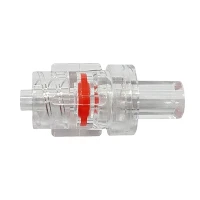
First off, let's talk a bit about what IV tubing and epidural infusions are. IV tubing, or intravenous tubing, is what we use to deliver fluids, medications, and nutrients directly into a patient's veins. We've got different types in our catalog, like the IV Extension Tube, CT Contrast Tubing, and IV Coiled Extension Tube. Each type has its own unique features and is designed for specific uses in the medical field.
On the other hand, epidural infusions are used to deliver medications, usually pain relievers, into the epidural space around the spinal cord. This is a more targeted way of providing pain relief, especially during childbirth or for certain types of surgeries.
So, can you use IV tubing for epidural infusions? Well, it's not that simple. There are a few factors we need to consider.
Compatibility
One of the biggest concerns is compatibility. The medications used in epidural infusions are different from those used in regular IV infusions. They need to be delivered in a very specific way, and the tubing needs to be able to handle these medications without any chemical reactions. IV tubing is designed for a wide range of medications that are delivered into the bloodstream, and the materials used in its construction might not be suitable for the drugs used in epidural infusions. For example, some medications used in epidurals can be more viscous, and the tubing needs to be able to allow for a smooth flow without clogging.
Safety
Safety is always a top priority in the medical field. Epidural infusions are a bit more delicate because they're going near the spinal cord. IV tubing might not have the same safety features as tubing specifically designed for epidural use. For instance, epidural tubing often has special connectors and filters to prevent any contaminants from entering the epidural space. Using regular IV tubing could potentially increase the risk of infection or other complications.
Pressure and Flow Rate
The pressure and flow rate requirements for epidural infusions are different from those for IV infusions. Epidural infusions usually require a more controlled and slower flow rate to ensure that the medication is delivered evenly and safely. IV tubing might not be able to provide the same level of control. If the flow rate is too high, it could cause problems like nerve damage or an overdose of the medication.
Regulatory Requirements
There are also regulatory requirements to consider. Medical devices, including tubing, need to meet certain standards set by regulatory bodies. Tubing designed for epidural use has to go through specific testing and approval processes to ensure its safety and effectiveness. Using IV tubing for epidural infusions might not comply with these regulations, which could lead to legal issues for healthcare providers.
However, there are some situations where IV tubing might be used in a pinch. In some emergency cases where epidural tubing isn't immediately available, healthcare providers might have to make a quick decision. But this is a last resort and should only be done under the guidance of a medical professional.


In most cases, it's recommended to use tubing that's specifically designed for epidural infusions. These tubes are made with the right materials, have the necessary safety features, and are designed to meet the specific requirements of epidural delivery.
As a supplier of IV tubing, I understand that cost can be a factor for some healthcare facilities. But when it comes to something as important as epidural infusions, it's really not worth cutting corners. The potential risks and complications far outweigh any cost savings.
If you're a healthcare provider and you're still not sure whether to use IV tubing for epidural infusions, I'd recommend consulting with your hospital's pharmacy or a medical device expert. They can give you more detailed information based on your specific situation.
Now, if you're in the market for high - quality IV tubing for your regular IV infusion needs, we've got you covered. Our IV Extension Tube, CT Contrast Tubing, and IV Coiled Extension Tube are all designed to meet the highest standards of quality and safety. We're always happy to work with you to find the right tubing for your needs. If you're interested in learning more or starting a purchase negotiation, don't hesitate to reach out. We're here to provide you with the best products and support in the industry.
References
- American Society of Anesthesiologists. Practice Guidelines for Obstetric Anesthesia: An Updated Report by the American Society of Anesthesiologists Task Force on Obstetric Anesthesia. Anesthesiology. 2016;124(2):270 - 300.
- Food and Drug Administration. Medical Device Regulation in the United States. Available at: fda.gov. Accessed [date].
- National Institute for Health and Care Excellence. Epidural analgesia for pain management in labour. NICE guideline [NG19]. 2017.